On Saturday, October 17, the auditorium at Boys and Girls High School on Fulton Street will fill by 9 a.m. with people who have no plans to look at a single brownstone for at least two hours. They are there for the panel. Topics on this year's agenda include group purchase options, home inspections, hiring contractors, refinancing, grant money, insurance, and first-time homebuyer basics. Only after that, at 11 a.m., do the doors of a dozen or so private homes actually open.
This is the 48th time Bed-Stuy has run the day in that order, and the order is the point. Most house tours treat the walk-through as the event and the informational program, if there is one, as a courtesy before the good part starts. The Brownstoners of Bedford-Stuyvesant built theirs the other way around. The panel isn't a warm-up act. It's the reason the tour exists at all.
A Tour Built to Keep People, Not Impress Them
The organization formed in 1978, when six neighbors, George Glee Jr., Bernard McDonald, Reginald Shell, Brenda Fryson, Gloria Green, and Clarence Jones, watched Black homeowning families leaving Bed-Stuy for Queens and Long Island. Their response wasn't a petition or a protest. It was a house tour, on the theory that if people actually walked through what their neighbors owned, they'd stop discounting what they had.
Renee Turner-Gregory, the group's current president, has described the thinking plainly: people were leaving because they weren't recognizing the value in the homes or the value of raising a family in a community like Bedford-Stuyvesant. Forty-eight years later, the tour still runs on that same logic. It isn't selling Bed-Stuy to outsiders. It's making the case to the people already here, and to the people who left, that the case still holds.
That's also why the day opens with a panel instead of a program booklet. The scholarship fund the tour supports is named the Bernard McDonald/George Glee Jr. Memorial Scholarship Fund, after two of the six founders. The money goes to college-bound students at Boys and Girls High School and Brooklyn Academy High School. The event isn't just commemorating its founders in name. It's still running their original playbook, house by house, panel by panel, every October.
A Tour on Its Own Calendar
Most brownstone tours in Brooklyn cluster in spring, often timed near Mother's Day, when the housing market is warming up and buyers are touring anyway. Bed-Stuy's runs in October, on nobody's selling season but its own.
| Typical spring brownstone tour | Bed-Stuy's House Tour | |
|---|---|---|
| Timing | Spring, near Mother's Day | Every October |
| Opens with | A program or reception | A panel on deed theft, inspections, financing |
| Homes | Often staged and vacant | Owner-occupied, owner-narrated |
| Where proceeds go | Varies | A scholarship fund named for two of the tour's founders |
The timing isn't incidental. A spring tour rides the market's calendar. An October tour runs on the neighborhood's own calendar, tied to nothing but the date the Brownstoners chose decades ago and have kept ever since.
The Owners Stay in the House
Ask anyone who's done both kinds of tours what's different about Bed-Stuy's, and the answer isn't the architecture. It's that the owners don't leave.
Turner-Gregory has explained why that matters: visitors get to talk to the people who live there, hear their renovation stories, and trade notes on contractors, plumbers, and electricians. That's not a detail tours in other neighborhoods tend to advertise, because most of them don't offer it. The Bed-Stuy version treats the homeowner's presence as part of the exhibit, not an inconvenience to be staged around.
Past editions have used that access to widen the tour past private homes entirely. One recent 41st annual tour included stops at the Akwaaba Mansion bed and breakfast on MacDonough Street and Siloam Presbyterian Church, a congregation founded in 1849 whose original Downtown Brooklyn location was part of the Underground Railroad before it relocated to Bed-Stuy in 1944. Those aren't decorative add-ons. They're evidence that the tour's real subject was never the brownstone alone. It's what people have built and kept inside them.
Why There's Enough House to Fill 48 Years
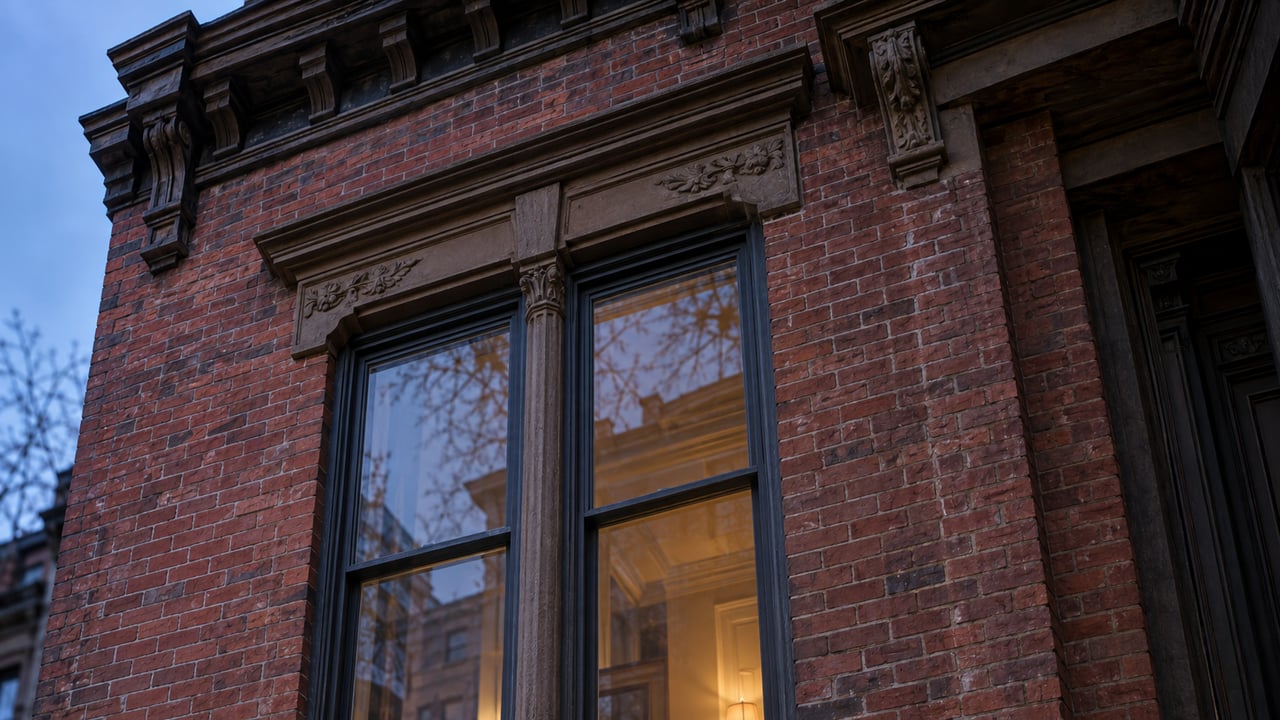
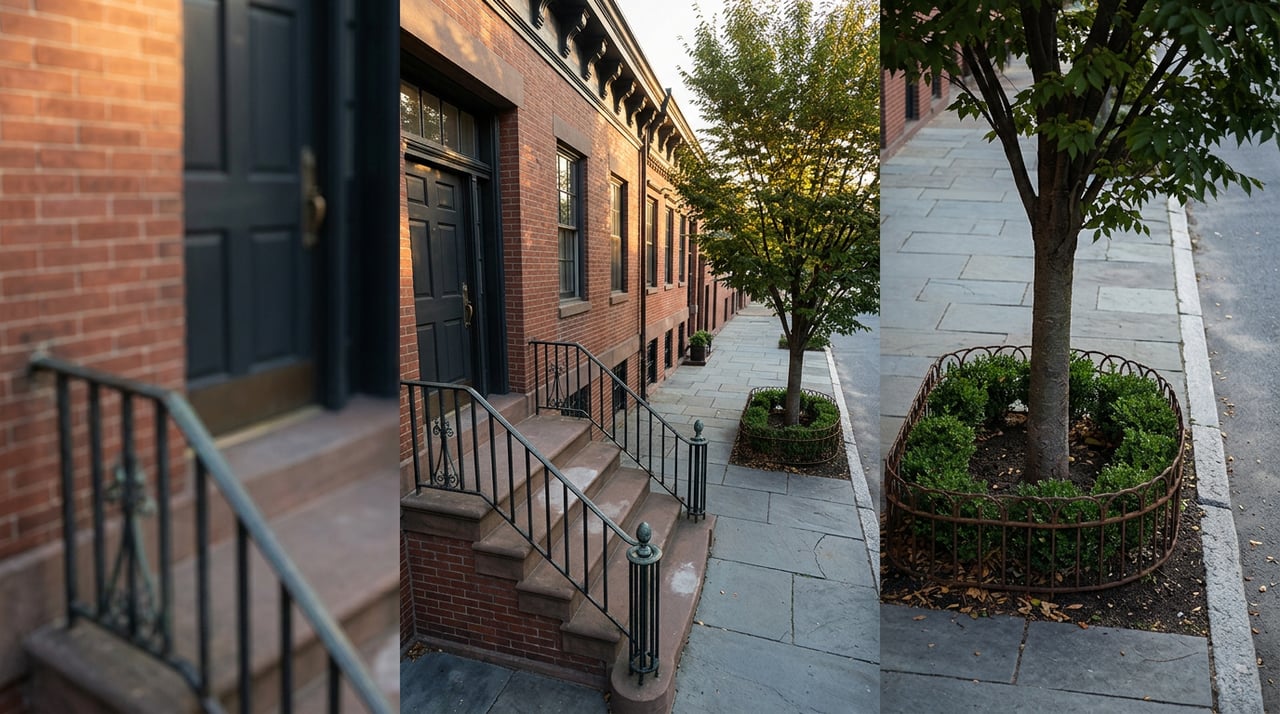
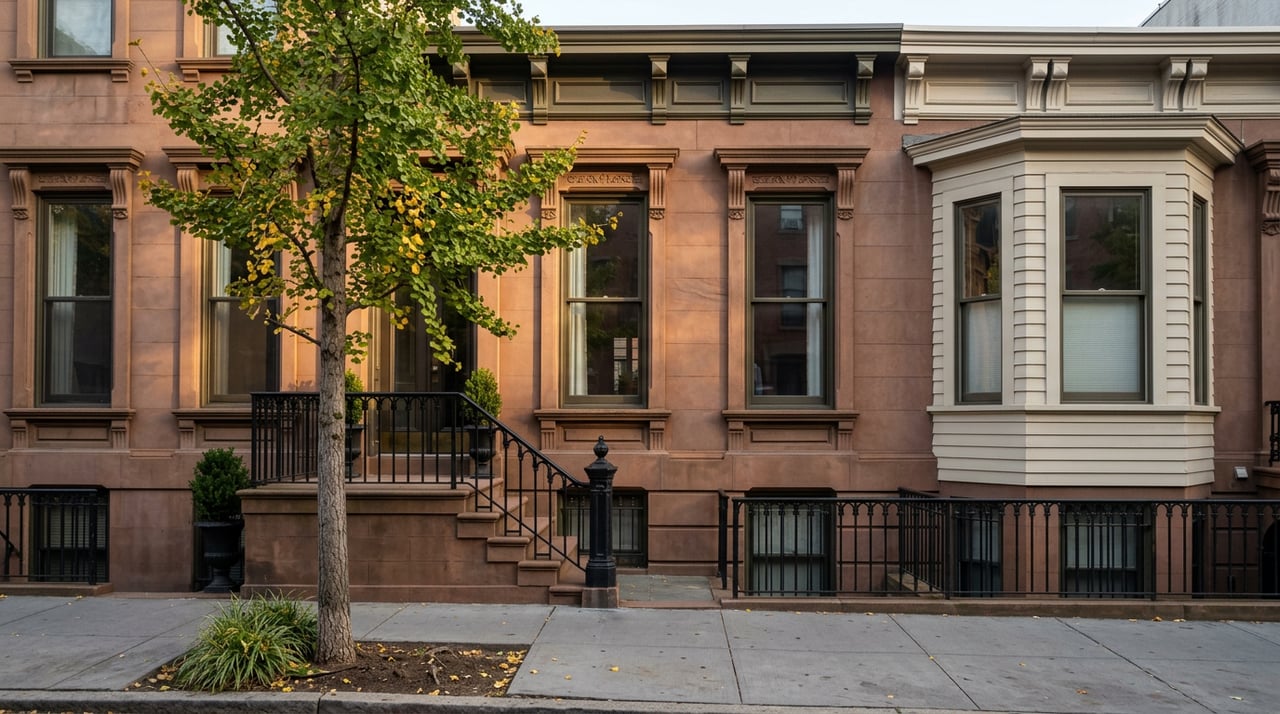
None of this works without the physical inventory behind it. Bed-Stuy holds roughly 8,800 buildings constructed before 1900, one of the largest intact collections of Victorian-era residential architecture in the country. A meaningful share sits inside the Stuyvesant Heights Historic District, bounded roughly by MacDonough, Decatur, and Bainbridge streets, where the ironwork, turrets, and carved stone stoops carry the fingerprints of architect Montrose Morris. The district isn't frozen in amber either. The Willoughby-Hart Historic District, covering rowhouses along Willoughby Avenue and Hart Street, was designated in 2024, and this year the Historic Districts Council named Bed-Stuy to its "Six to Celebrate" preservation list for 2026, pairing local preservation groups with the organization's support for the year ahead.
That's the reservoir the Brownstoners have been drawing from for 48 years without repeating themselves. It's also why the tour can keep functioning as a homeownership pitch and not just a design showcase. The buildings are the argument. The panel and the open doors are how the argument gets made in person.
This Year's Details
The 48th Annual House Tour runs Saturday, October 17, with the theme "love, soul, and the place we call home." Check-in for both the panel and the self-guided tour happens at Boys and Girls High School, 1700 Fulton Street. The free Homeowner and Buyer Panel starts at 9 a.m. and runs until 10:30, and the five-hour, self-guided walk through a dozen or so private homes begins at 11 a.m. Tickets are $40 online plus a service fee, available now through the organization's Eventbrite listing. In past years, tickets have also been sold in person at neighborhood shops rather than only online, a small detail that fits an organization built around door-to-door outreach rather than a purely digital footprint.
Membership in the Brownstoners itself is separate from a tour ticket. For $25 a year, residents can join a group whose current volunteer categories include community engagement, voter registration, tax lien education, and small business support, the same broad mission the founders started with in 1978. More on all of it is at brownstonersofbedstuy.org.
What the Order Says About the Neighborhood
A house tour that opens with a lesson on deed theft before it opens a single front door is telling you something about what it actually thinks its job is. Bed-Stuy's version has run that sequence for 48 years, through a pandemic that pushed it online in 2020 and back in person since, without swapping the order. The panel still comes first. The houses still come second. The people who live in them still stay put while strangers walk through their kitchens asking about contractors.
That's not a formula built for spectacle. It's a formula built to keep working, which is a different kind of achievement, and one this neighborhood has had 48 years to test.
If you're a Bed-Stuy homeowner curious about your own building's history, or you're weighing a renovation and want a sense of what similar projects have looked like on your block, the Martinez Team spends its time in exactly these kinds of neighborhood details. Request a consultation whenever you're ready to talk through what's next for your home.