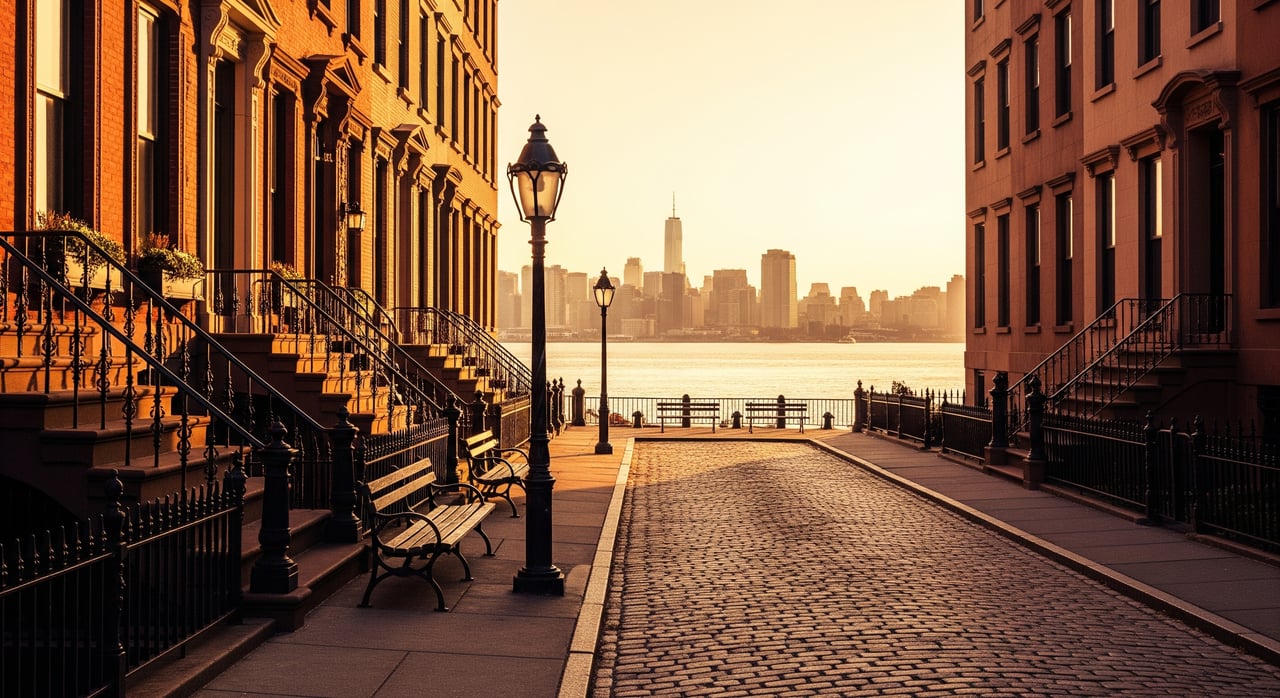
What does a perfect Brooklyn Heights day feel like? Picture a slow morning on Montague Street, quiet side streets with stoops and trees, and a golden-hour stroll along the Promenade as the skyline lights up. If you are weighing a move, you want more than pretty photos. You want to know how daily life flows, how you would commute, and what to expect from housing and renovations. This guide walks you from Montague Street to the waterfront so you can imagine your own routine. Let’s dive in.
Morning on Montague Street
Start on Montague Street, the neighborhood’s compact main corridor. You can step out for coffee, pick up a loaf of bread, and handle small errands in a single pass. The scale is human and relaxed, so you can keep a comfortable pace instead of rushing.
On weekends, you will notice a gentle brunch buzz and steady foot traffic. Weekday mornings feel more local, with neighbors grabbing a quick bite before work. Either way, you can do most everyday tasks without leaving the area.
Everyday errands in one place
Montague Street concentrates daily needs so you can keep life simple.
- Coffee, bakeries, and casual breakfast spots for easy mornings.
- Boutiques, a pharmacy, and neighborhood services for quick stops.
- Small grocers for produce, with larger specialty markets a short walk away in adjacent neighborhoods.
Weekend vs. weekday pace
Expect a little more energy on Saturday and Sunday late mornings. Families, friends, and visitors tend to gather for meals and errands. Weekdays feel quieter and residential, especially earlier in the day.
Side streets and stoops
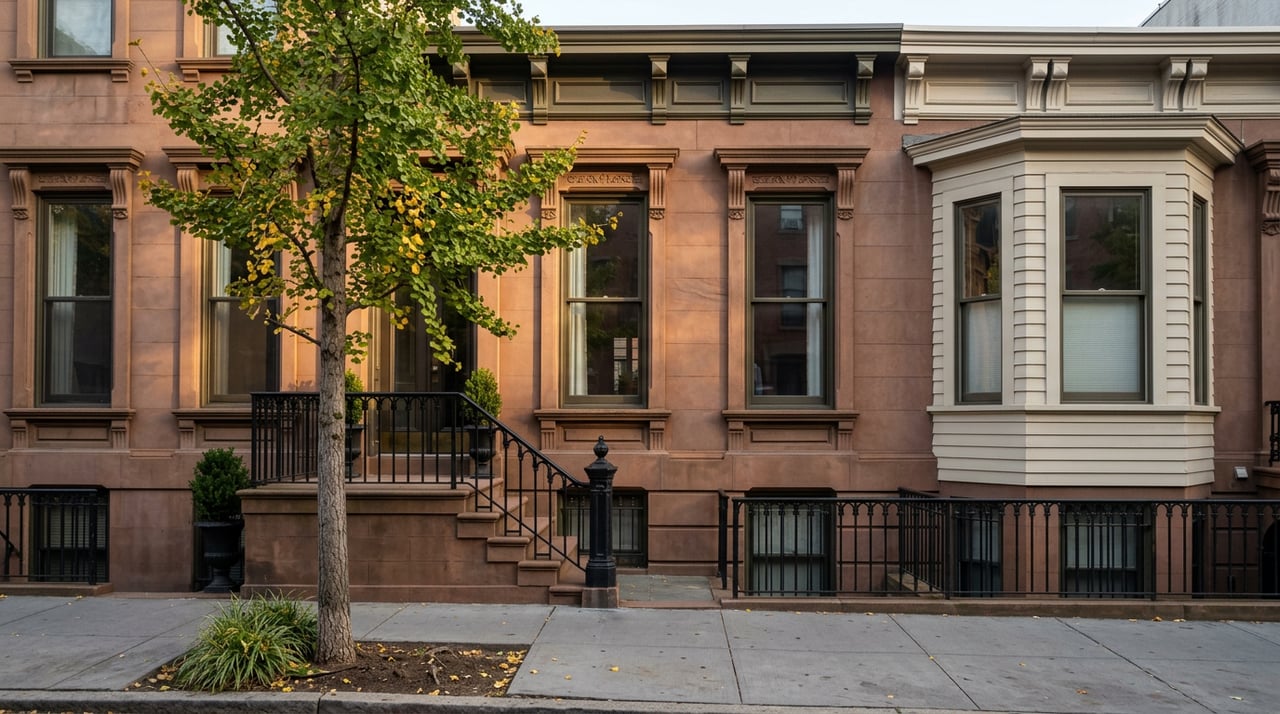
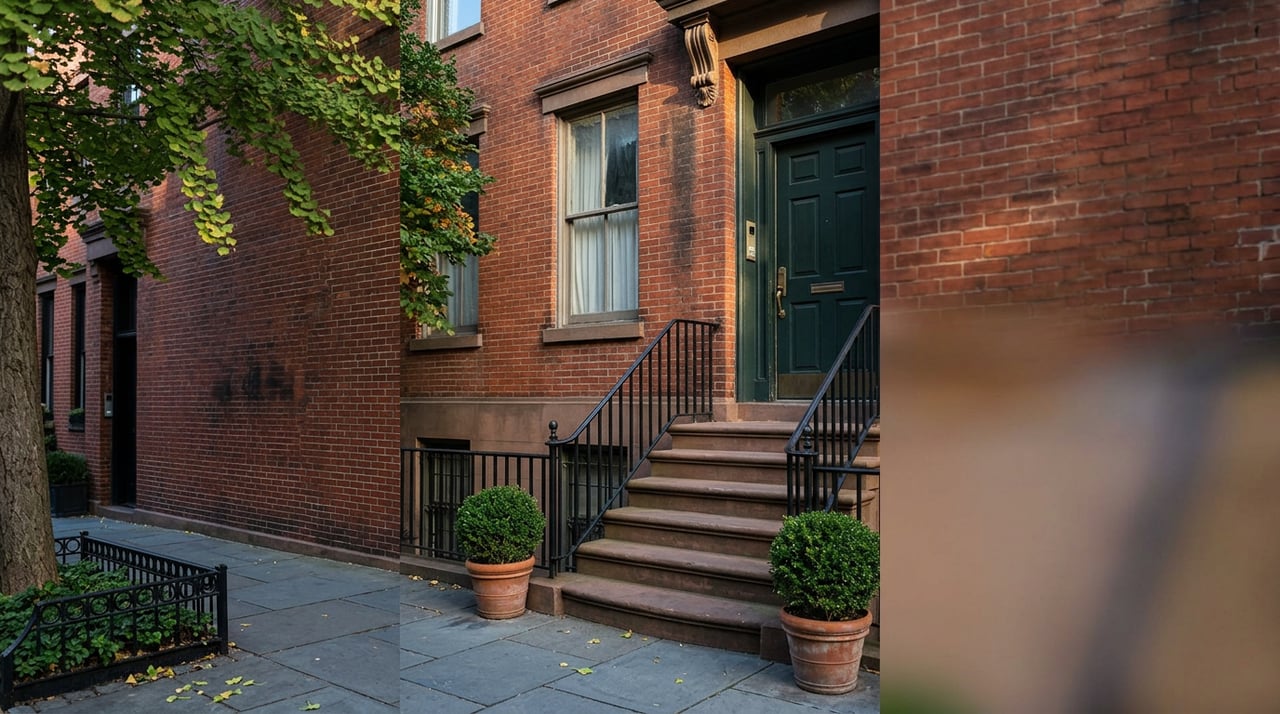
Step off Montague and the tone shifts. The side streets are tree lined, calm, and filled with 19th‑century brownstones and rowhouses. You will see narrow sidewalks, classic stoops, and neighbors saying hello as they pass.
These blocks are a major draw for many movers. The residential feel is strong and consistent, and much of the area falls within New York City’s first historic district. That legacy shapes how the neighborhood looks and how it is maintained.
Practical living notes
- Parking is limited, and moving vans may find tight service access on narrower blocks.
- Expect to walk for most errands. That is part of the charm and a time saver.
- You may notice official landmark-preservation notices posted during permitted exterior work.
About the historic district
Brooklyn Heights was designated the city’s first historic district in the mid‑1960s. Exterior changes that are visible from the street often require review. For guidelines and approvals, consult the NYC Landmarks Preservation Commission. Interior work is usually less restricted, but planning ahead is wise.
Midday rhythms and resources
By late morning, you will see strollers and dog walkers moving between blocks, playgrounds, and classes. Short errands happen on foot. Local cultural and community centers, plus library branches nearby, anchor routines.
If schools are part of your plan, you will find a mix of NYC public options and independent schools in or near the neighborhood. For current public school zoning and admissions information, use the NYC Department of Education resources. Families often explore early, especially for popular preschool and daycare programs.
Afternoon on the Promenade
The Brooklyn Heights Promenade runs along the bluff with open views of the Manhattan skyline, the Brooklyn Bridge, and the East River. It is a favorite place for a walk, a jog, or simply a quiet moment on a bench. The setting is iconic and part of daily life for many residents.
Crowds ebb and flow. Weekdays are calmer, while sunsets and holiday weekends draw more visitors. For park hours, rules, and general details, see the official NYC Parks page for the Promenade.
Brooklyn Bridge Park highlights
Just below the Promenade, Brooklyn Bridge Park stretches along the waterfront across multiple piers. It blends large lawns, playgrounds, sports courts, and landscaped paths. The result is both a neighborhood backyard and a citywide destination.
Learn more about amenities and current programming on the official Brooklyn Bridge Park website.
Family-friendly spaces
- Age‑specific playgrounds and open lawns for unstructured play.
- Seasonal classes and public programs hosted by park partners.
- A restored historic carousel that draws frequent visitors.
Active recreation
- Basketball and volleyball courts, sports fields, and running paths.
- Kayaking opportunities in summer months and bike access along the waterfront.
- Designated bike lanes and nearby docking stations make cycling practical.
Events and weekends
The park hosts concerts, markets, and cultural events in season. Expect lively piers on warm weekends and summer evenings. If you prefer quieter times, weekday mornings and early afternoons are ideal.
Getting around and commuting
Transit options are strong and consistent. Neighborhood subway stations are within a short walk, and bus routes run on nearby corridors. The MTA subway and bus maps can help you choose the best route.
- Lower Manhattan is often reachable in roughly 10 to 25 minutes by subway or ferry, depending on your starting point.
- Midtown commutes can range from about 20 to 40 minutes based on line choice and transfers.
- The waterfront offers NYC Ferry service, which many commuters find comfortable and predictable.
Walking is part of the lifestyle here, from Montague Street to the Promenade and park paths. Dedicated bike lanes and docking stations nearby support cycling for errands and commutes.
Housing snapshot
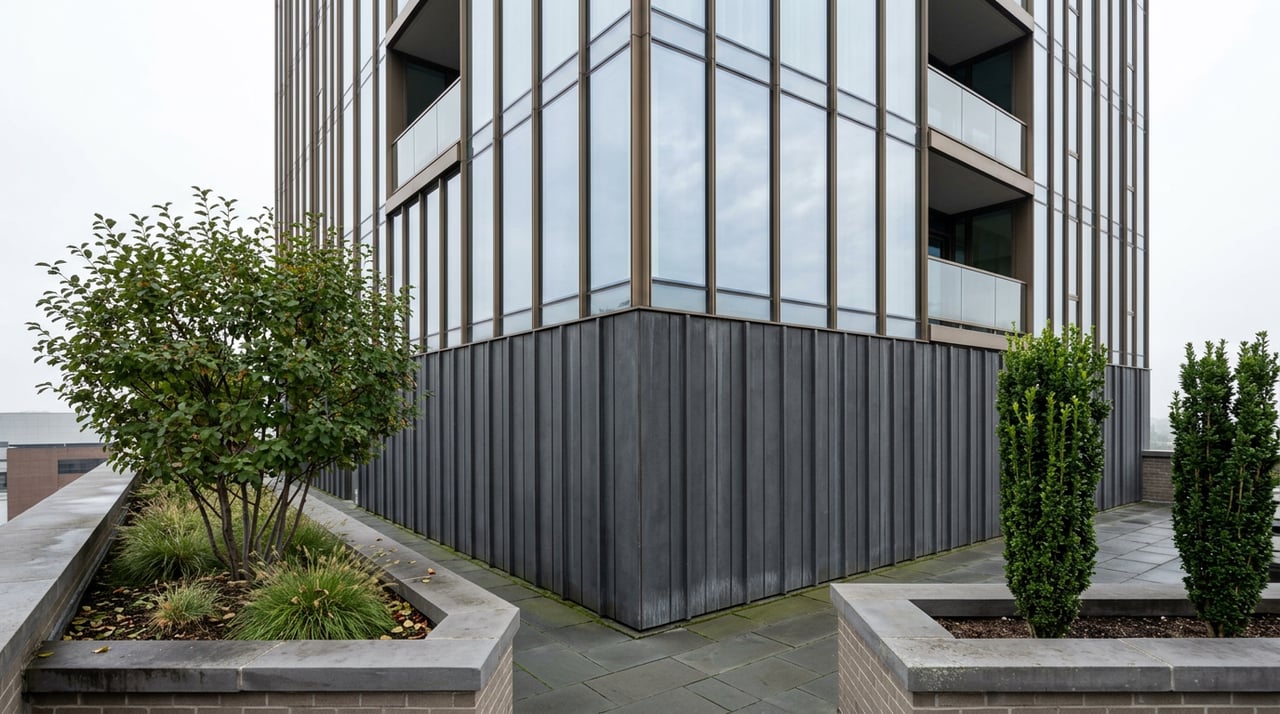
Brooklyn Heights is known for brownstones and rowhouses, plus prewar and midcentury co‑ops and condos. Newer luxury residences cluster near the waterfront and along major arteries. Pricing trends higher than many parts of Brooklyn, with premiums for outdoor access and water views.
If you plan to buy, expect competition for well‑maintained brownstones and renovated units. Co‑ops are common, so board approvals and monthly maintenance fees will shape your decision. If renovations are on your list, factor in the historic district review process for exterior changes.
Daily needs and services
Most everyday shopping can be handled on or near Montague Street. You will find small markets and specialty stores for staples. For larger supermarkets and specialty grocers, adjacent neighborhoods like Downtown Brooklyn and DUMBO are a short walk or quick transit ride away.
Healthcare and professional services are nearby in Downtown Brooklyn and along major corridors. Pharmacies are easy to access, and clinics and hospitals in both Brooklyn and Manhattan are reachable by transit.
Is Brooklyn Heights a fit for you?
Use this quick check to see how the neighborhood aligns with your routines:
- You want a walkable lifestyle with a compact main street and calm side streets.
- You value easy access to the Promenade and a large waterfront park.
- You plan to commute to Manhattan and prefer multiple transit options.
- You are comfortable budgeting for premium housing costs and possible co‑op processes.
- You are open to preservation guidelines that protect historic character.
Ready to explore homes?
If you can picture your day starting on Montague and ending with a waterfront sunset, you are already halfway to a decision. We pair neighborhood expertise with clear, step‑by‑step guidance so you can evaluate housing types, timelines, and costs with confidence. For a local strategy session tailored to your goals, connect with Justin Martinez. Request a Consultation.
FAQs
Is Brooklyn Heights considered family friendly?
- Many families live here due to quiet side streets, multiple playgrounds, and nearby schools, though housing costs and larger unit availability are important factors to consider.
How long is the commute to Manhattan from Brooklyn Heights?
- Lower Manhattan is often about 10 to 25 minutes by subway or ferry, and Midtown is typically 20 to 40 minutes depending on route and transfers.
What should I know about renovations in the historic district?
- Exterior changes visible from the street usually require review; consult the NYC Landmarks Preservation Commission early to plan timelines and approvals.
How difficult is parking in Brooklyn Heights?
- Street parking is limited; many residents rely on transit, walking, biking, or budget for a private garage when owning a car is essential.
How busy are the Promenade and Brooklyn Bridge Park?
- Weekdays are calmer, while sunsets, weekends, and event days draw larger crowds on the Promenade and at popular piers in the park.
Is Brooklyn Heights walkable for daily errands?
- Yes, most everyday needs are on or near Montague Street, and larger supermarkets in adjacent neighborhoods are a short walk or quick transit ride away.