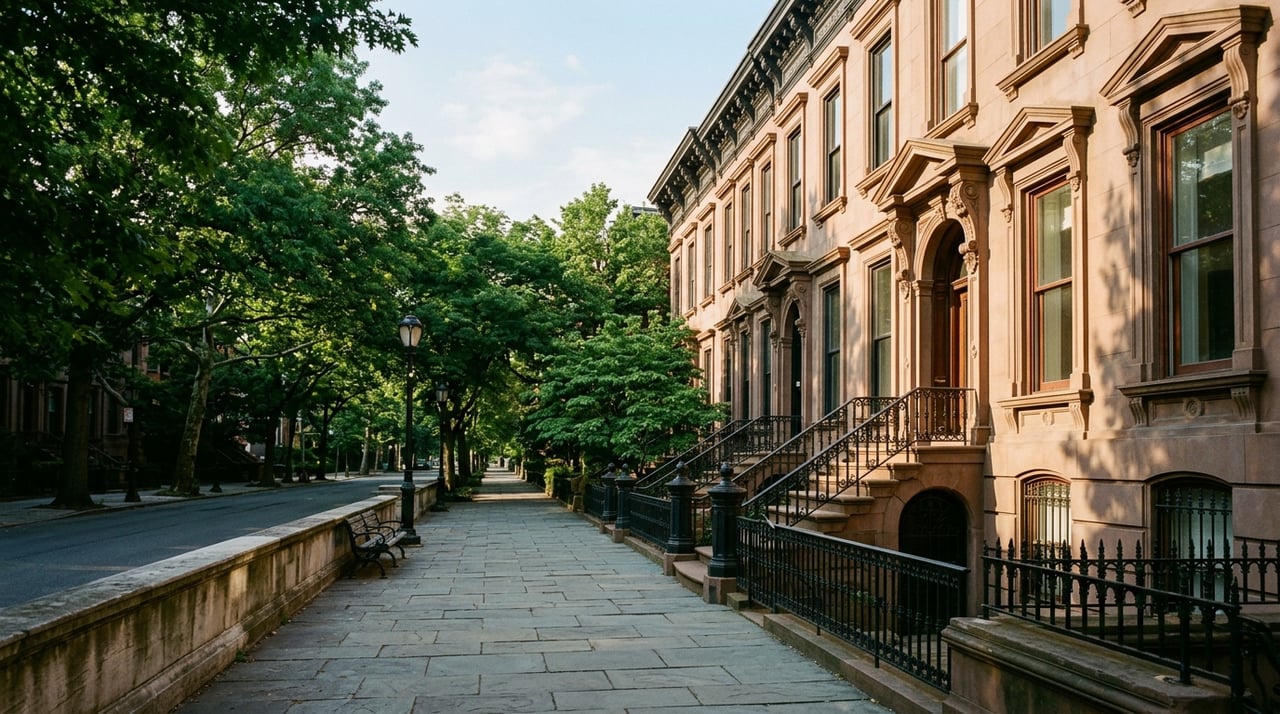
What makes a Brooklyn address feel truly special? Along Prospect Park West in Park Slope, the answer often starts with something you notice right away: you are living beside one of the city’s most beloved green spaces while still surrounded by classic brownstone streets and everyday neighborhood convenience. If you are curious about what life here actually feels like, this guide will walk you through the blocks, routines, amenities, and lifestyle that shape daily living along the park. Let’s dive in.
Prospect Park West at a Glance
Prospect Park West runs along the eastern edge of Prospect Park, placing you beside 585 acres of green space that include Brooklyn’s only lake, meadows, woodlands, recreation areas, and cultural venues. That kind of immediate access can shape your routine in a way few city locations can.
At the same time, Park Slope remains grounded in its historic residential character. City planning and landmarks materials describe the neighborhood as a place of late 19th-century and early 20th-century rowhouses and flats buildings, with a scale and architectural identity the city has worked to preserve.
Residential Feel Near the Park
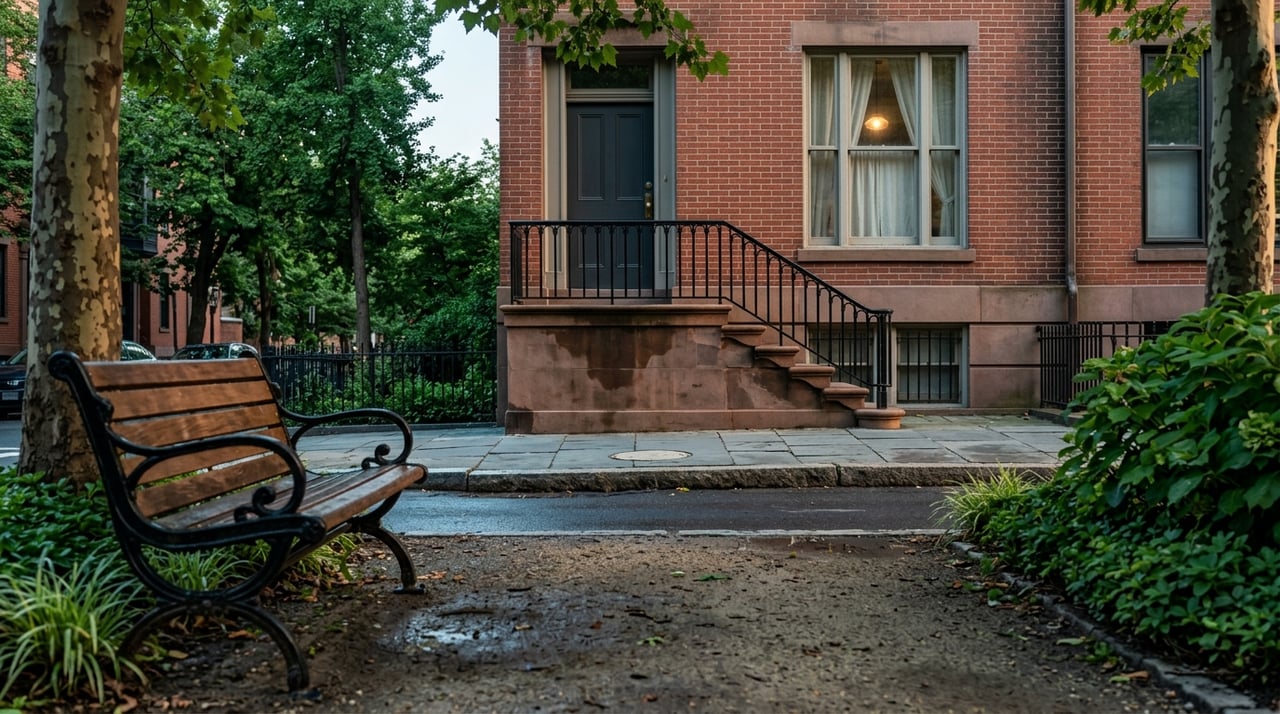
One of the biggest draws of Prospect Park West is that it feels residential first. The streets nearby are known for tree-lined blocks, historic rowhouses, and a consistent architectural rhythm that gives the area a distinct sense of place.
The city’s planning materials point to Fifth Avenue and Seventh Avenue as the main commercial corridors. In everyday terms, that means many of the blocks near the park offer a quieter streetscape, while shops, cafes, and services stay close by on the avenues.
For many buyers, that balance is a major part of the appeal. You get the visual character and calm of preserved brownstone blocks without feeling cut off from the basics of daily life.
Daily Life Along Prospect Park West
Living near Prospect Park West can make the park part of your normal routine, not just a weekend destination. A quick walk into Prospect Park can become your morning reset, your after-work stroll, or the easiest way to spend time outdoors without planning your whole day around it.
Morning park time can look different depending on your routine. Some people head out for a run or walk, while others simply cross into the park for fresh air before work.
If you have a dog, Prospect Park includes off-leash hours from 6 a.m. to 9 a.m. and 9 p.m. to 1 a.m. in designated areas including the Long Meadow, Nethermead, Peninsula Meadow, and Dog Beach. That is a practical perk for residents who want nearby outdoor space built into daily life.
The park also includes destinations that can turn a short outing into something more. The map highlights places such as the Long Meadow, Ravine, Boathouse, Carousel, Zoo, Picnic House, Tennis Center, LeFrak Center at Lakeside, and Grand Army Plaza.
Coffee, Lunch, and Easy Errands
A big part of the lifestyle here is how easily park time and errands can blend together. Prospect Park itself includes concessions such as Poetica Coffee, Purslane Cafe, Hibiscus Brew, WINNER in the Park, King David Tacos, Lark by the Park, and Duck Island Cafe & Bar at Lakeside.
That means a walk through the park can also include coffee, a casual lunch, or a stop during a longer afternoon outside. It is one of the details that helps make the area feel flexible and lived-in rather than just scenic.
Beyond the park, Park Slope’s nearby commercial corridors support most day-to-day needs. The Seventh Avenue Chamber directory includes categories like cafes, bakeries and juice bars, bookstores, clothing and jewelry, grocery and specialty foods, home design, kids and babies, pet care, and real estate.
Fifth Avenue offers a similarly broad mix, with cafes, bakeries, specialty stores, bars, restaurants, grocery options, and other local businesses. For you, that can mean a routine where many errands stay local and walkable.
Neighborhood Institutions That Add Character
Along with shops and green space, Prospect Park West benefits from nearby institutions that add depth to the neighborhood. These are the places that help an area feel established and connected over time.
One example is the Park Slope Library at 431 6th Avenue, a historic Carnegie branch. According to Brooklyn Public Library, the building includes stained glass, freestanding columns, a vaulted stained-glass ceiling, tiled fireplaces, and a garden.
Another well-known local institution is the Park Slope Food Coop at 782 Union Street. It is a member-owned, member-labor cooperative founded in 1973, and only members may shop there.
These types of places contribute to the neighborhood’s identity. They are part of what makes life in Park Slope feel layered, local, and rooted in long-standing community infrastructure.
Weekends Built Around the Park
Weekends along Prospect Park West can feel full without feeling overplanned. Because the park is right there, it is easy to shape your day around outdoor time, seasonal programming, or a casual loop through the neighborhood.
Prospect Park hosts free outdoor yoga on the Long Meadow, warm-weather Smorgasburg on Breeze Hill near the Lincoln Road entrance, concerts at the Lena Horne Bandshell, and Sunday drumming at Drummer’s Grove from April to October. These activities create a regular rhythm that gives the park energy across seasons.
There is also a wide range of recreation built into the park itself. You can find year-round tennis, seasonal skating and roller-skating at LeFrak Center at Lakeside, boating and water play, the zoo, the carousel, picnic spaces, the Boathouse and Audubon Center, and the Parade Ground.
Because Prospect Park is so large, even a short visit can feel like a meaningful break from the city pace. The mix of meadow, woodland, lake, and programmed recreation gives the area a lifestyle dimension that goes beyond a simple neighborhood park.
Transit and Getting Around
Another reason Prospect Park West stands out is access. The MTA neighborhood maps place the 15 St–Prospect Park station on the F and G lines in the park-side area.
The same maps show nearby bus service including the B61, B67, and B69 around Prospect Park West. For many residents, that supports a car-light routine and makes it easier to connect with other parts of Brooklyn and beyond.
Of course, your exact experience will depend on your block and destination. Still, the combination of transit access, local retail, and nearby parkland helps support a daily rhythm where many essentials are close at hand.
Why Homes Here Draw Attention
When people talk about the appeal of Prospect Park West, they are usually describing more than a single street. They are responding to a combination that is hard to replicate: direct park access, preserved residential character, and strong neighborhood amenities.
That combination can influence how you spend your time every day. Instead of planning special trips for green space, coffee, recreation, or neighborhood errands, many of those things can happen within a compact, familiar area.
For buyers, that often makes homes near the park feel especially compelling. You are not just choosing square footage or finishes. You are choosing a routine shaped by open space, walkable avenues, and a neighborhood identity that feels clear and established.
What This Means for Buyers and Sellers
If you are buying in Park Slope, Prospect Park West is the kind of location where lifestyle value plays a major role. It helps to think beyond the apartment or townhouse itself and focus on how the location supports your day-to-day life.
If you are selling near Prospect Park West, the neighborhood story matters. Buyers are often drawn to the historic streetscape, immediate park access, nearby shopping corridors, and the convenience of local transit.
This is where thoughtful marketing and local context can make a real difference. When a home is presented with a clear understanding of how people actually live in the area, it becomes easier for buyers to picture themselves there.
If you are exploring a move in Park Slope, the Martinez Team can help you understand how block-by-block lifestyle, presentation, and strategy come together in this part of Brooklyn.
FAQs
What is Prospect Park West like in Park Slope?
- Prospect Park West offers a residential setting along the edge of Prospect Park, with tree-lined blocks, historic rowhouses and flats buildings, and close access to nearby commercial corridors like Fifth Avenue and Seventh Avenue.
What park amenities are near Prospect Park West in Park Slope?
- Prospect Park includes the Long Meadow, Ravine, Boathouse, Lena Horne Bandshell, LeFrak Center at Lakeside, Tennis Center, Carousel, Zoo, Picnic House, Grand Army Plaza, and Brooklyn’s only lake.
What everyday conveniences are near Prospect Park West?
- Nearby avenues offer a wide range of local businesses, including cafes, bakeries, grocery and specialty food stores, bookstores, pet care, clothing shops, and other day-to-day services.
What transit options serve Prospect Park West in Park Slope?
- The park-side area is served by the 15 St–Prospect Park station on the F and G lines, along with nearby B61, B67, and B69 bus service.
What makes homes near Prospect Park West appealing to buyers?
- Buyers are often drawn to the combination of direct park access, preserved brownstone streets, neighborhood amenities, and transit connections that support a convenient and lifestyle-focused routine.