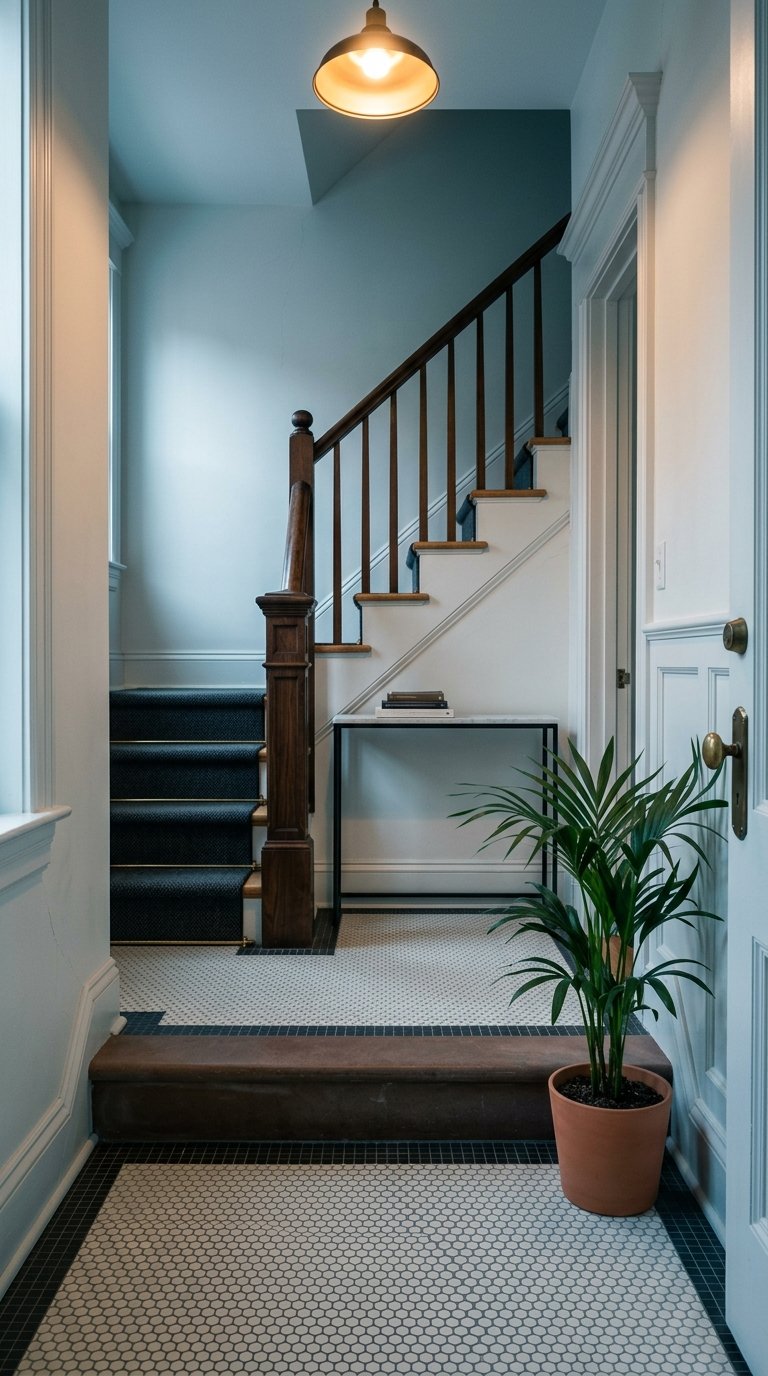
If you are thinking about selling a Boerum Hill brownstone, the biggest question is usually not whether buyers will be interested. It is whether your home will feel clear, cared for, and compelling the moment it hits the market. In a neighborhood where buyers often start online and expect strong presentation, the right prep can help your home stand out without stripping away the details that make it special. Let’s dive in.
Why prep matters in Boerum Hill
Boerum Hill remains a premium, low-inventory market, but pricing and pace can look different depending on the source and what each report measures. Realtor.com’s Boerum Hill overview shows a March 2026 median listing price of $2.399M, 54 active listings, 109 median days on market, and a 100% sale-to-list ratio.
That kind of market rewards thoughtful presentation. At this price level, buyers tend to notice deferred maintenance, awkward layouts in photos, and unfinished exterior issues more quickly. A brownstone that feels authentic, well maintained, and easy to understand online is usually in a stronger position from day one.
Start with what today’s buyers notice first
Today’s buyers are overwhelmingly online-first. According to the National Association of Realtors 2024 buyer report, 51% of buyers found homes through online searches, and the website features they valued most were photos, detailed property information, and floor plans.
That matters because most buyers are forming their first impression long before they book a showing. In Boerum Hill, that first impression should help them understand not only the rooms, but also the qualities that make a brownstone lifestyle appealing, like natural light, stoop presence, outdoor space, and the feel of the block.
Preserve the character buyers came for
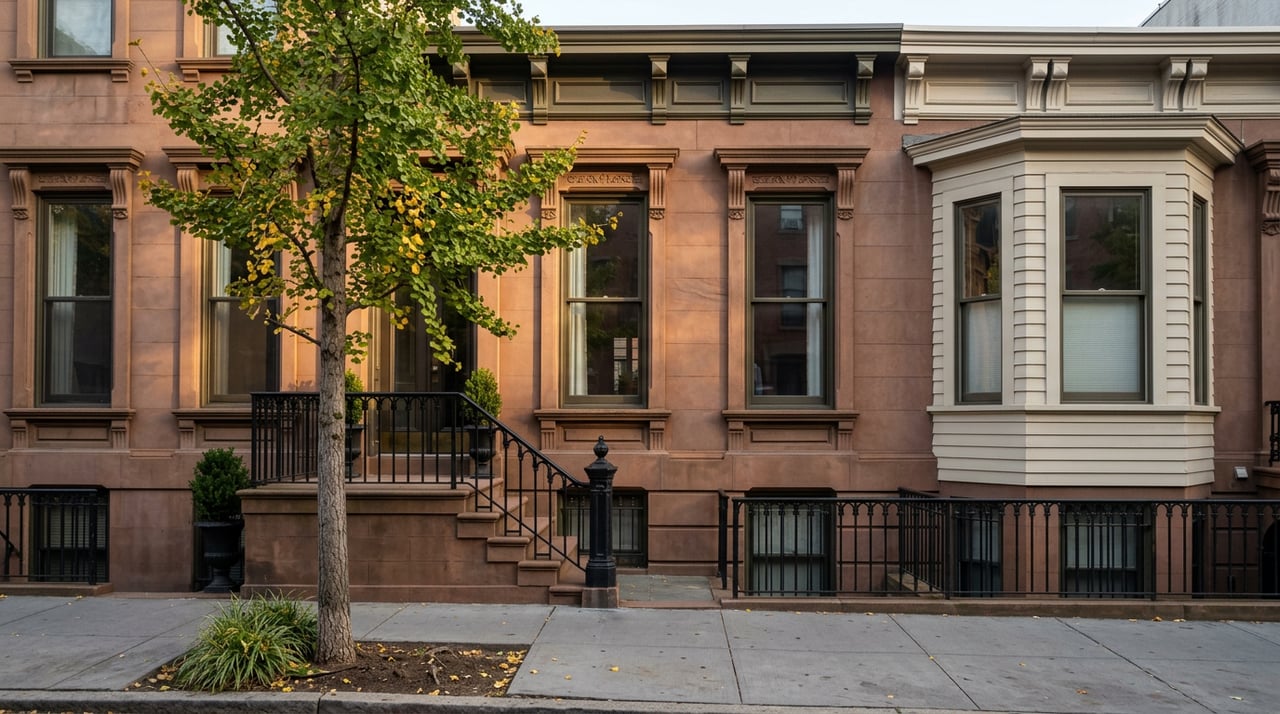
A Boerum Hill brownstone is not a blank slate. The neighborhood’s Landmarks Preservation Commission designation report describes a historic district made up of row houses and rowhouse-scale buildings from the 1850s to the 1870s, with Greek Revival and Italianate styles that create a distinct, cohesive streetscape.
For sellers, that means original character is part of the value. Buyers are not just shopping for square footage. They are also responding to details like moldings, stair rails, mantelpieces, tall parlor windows, stoops, and historic facades that connect the house to the street and the neighborhood.
The goal is usually not to modernize everything. It is to reduce distractions so buyers can appreciate the architecture, the flow, and the condition.
Focus on visible condition first
Before you think about major upgrades, focus on the basics buyers notice immediately. The strongest pre-listing plan is usually:
- Declutter
- Deep clean
- Make visible repairs
- Stage the most important rooms
That sequence lines up with the NAR 2025 home staging report, which found that sellers’ agents most often recommend decluttering, cleaning the entire home, and improving curb appeal.
In a brownstone, visible condition carries a lot of weight because buyers are already looking closely at age, upkeep, and how much work may be needed after closing. Even small fixes can help a home feel more move-in ready and more honest in person.
Declutter without flattening the home
Decluttering does not mean removing every trace of personality. It means editing the home so the architecture reads clearly in photos and during showings.
That may include removing oversized furniture, clearing tabletops, simplifying bookshelves, and storing anything that blocks fireplaces, windows, or key circulation paths. In a brownstone, you want buyers to notice ceiling height, room proportions, light, and original details before they notice your storage challenges.
Deep clean every surface
A deep clean is one of the highest-impact items on any prep list. Buyers may forgive finishes that are not brand new, but they are far less forgiving about grime, dust, stained grout, streaked windows, or tired-looking kitchens and baths.
Pay extra attention to entry areas, stair runs, window glass, tile, baseboards, and any lower-level spaces. If the house has outdoor areas, clean those too so they feel usable and cared for.
Repair what interrupts confidence
Visible repair work should target anything that causes hesitation. Peeling paint, loose hardware, cracked plaster, worn caulk, damaged light fixtures, sticking doors, and scuffed flooring can all distract from the home’s strengths.
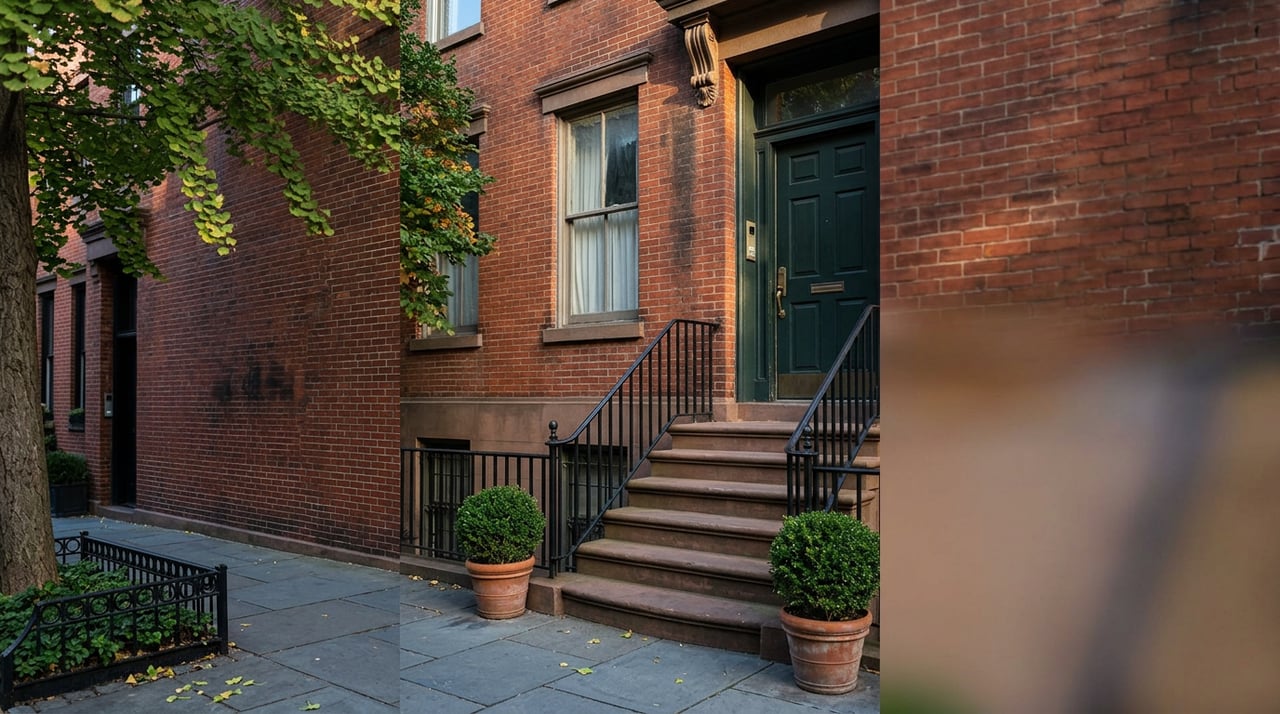
The same rule applies outside. If the stoop, railings, facade, or front door read as neglected, buyers may start to worry about larger hidden issues, even when the underlying condition is sound.
Know which exterior work needs LPC review
If your brownstone is landmarked, exterior work is not just a design decision. It may also require review by the Landmarks Preservation Commission.
According to the LPC permits page, most exterior changes to front and rear facades in historic districts require LPC review. Ordinary repairs like replacing broken window glass, repainting to match the existing color, or caulking around windows and doors do not require a permit.
For sellers, that distinction matters. If you are considering facade improvements, window or door replacement in existing openings, masonry cleaning, or brownstone resurfacing, LPC’s Permit for Minor Work may apply. The city notes that complete applications can often be approved within 10 business days once complete, and the agency must decide within 20 business days.
Be careful with masonry and brownstone repairs
Historic masonry should be repaired thoughtfully, not aggressively cleaned or overcorrected. The National Park Service guidance on masonry recommends preserving masonry features, using gentle cleaning methods, and matching mortar carefully when repointing is needed.
It also warns against sandblasting, high-pressure water, and mortar that is too hard for the original material. For brownstone-specific work, the LPC rowhouse guidance cited in the research notes that the best patching includes actual crushed stone. In practical terms, quick cosmetic shortcuts can hurt both appearance and buyer confidence.
Stage the rooms that move the needle
Not every room needs the same level of attention. The NAR 2025 staging report found that the rooms that matter most to buyers are the living room, primary bedroom, and kitchen.
That is a helpful roadmap for a Boerum Hill brownstone. If you are prioritizing budget and time, start with the spaces that do the most work in photos and in person.
Living room
This is often the emotional center of the listing. Buyers want to understand scale, seating, light, and whether the room supports daily life as well as entertaining.
In a brownstone, the living room may also showcase some of the home’s strongest original details. Good staging should frame those features, not compete with them.
Primary bedroom
A calm, uncluttered primary bedroom helps buyers picture comfort and function. Clean bedding, balanced furniture placement, and open pathways can make the room feel larger and easier to understand.
If storage is limited, avoid overfilling wardrobes or visible clothing racks during showings. Buyers notice how hard a room seems to work.
Kitchen
The kitchen does not have to be brand new to show well. It does need to feel clean, bright, and organized.
Clear counters, reduce visual clutter, and make sure lighting works properly. If there is a dining area or connection to outdoor space, help buyers see that relationship clearly in the setup and in the photography.
Build a launch package for online buyers
A strong listing launch should be complete from the start. According to a 2026 NAR article on listing presentation, 81% of buyers said listing photos are the most important factor when evaluating properties.
The same article makes an important point: if the photos and the in-person experience do not match, buyers feel misled. If virtual staging is used, it should be disclosed clearly in the listing remarks or on the images.
What to include at launch
Your first listing package should usually include:
- Professional photography
- Detailed property information
- A clear floor plan
- Video or virtual tour assets, if available
- Honest visual representation of condition and layout
This approach matches the NAR 2024 buyer report, which shows buyers place high value on photos, floor plans, videos, and virtual tours. Open houses still matter, but they tend to work best after the online presentation has already done its job.
Show the home and its setting
Because buyers also care about neighborhood quality and convenience to friends and family, your marketing should help them understand context as well as interiors. For a Boerum Hill brownstone, that can mean highlighting the stoop, facade, street presence, garden or terrace, and the quality of natural light.
The most effective launch helps buyers picture the full experience of living in the home, not just walking room to room.
Match your prep to your asking price
In a premium market, the higher the asking price, the more buyers tend to expect a turnkey presentation. That does not mean every system or finish must be brand new. It does mean your listing should feel intentional, polished, and easy to trust.
At lower price points, buyers may tolerate more cosmetic work if the value is clear. Around and above the neighborhood’s typical pricing range, presentation gaps can have a bigger impact on momentum. If buyers sense deferred maintenance, unclear layouts, or unresolved exterior issues, they may hesitate or build that uncertainty into their offers.
A smart prep plan respects the house
The best Boerum Hill brownstone listings usually do not win by trying to look generic. They win by presenting the home as a well-kept historic property that still works for modern living.
That means preserving the details that define the house, fixing what weakens confidence, and launching with photography and floor plans that tell the story clearly. If you are preparing to sell and want a strategy tailored to your block, price point, and timeline, the Martinez Irizarry Team can help you plan the right updates, presentation, and launch approach.
FAQs
Which exterior repairs on a Boerum Hill brownstone need LPC approval?
- In a historic district, most exterior changes to front and rear facades require LPC review, while ordinary repairs like replacing broken window glass, repainting to match the existing color, or caulking around windows and doors do not.
Which rooms should you stage first in a Boerum Hill brownstone?
- Start with the living room, primary bedroom, and kitchen, since NAR reports those are the rooms buyers respond to most.
What should you fix before listing a Boerum Hill brownstone?
- Focus first on decluttering, deep cleaning, curb appeal, and visible repairs such as peeling paint, cracked plaster, worn caulk, loose hardware, and anything else that interrupts buyer confidence.
How much historic detail should you keep in a Boerum Hill brownstone sale prep?
- Keep and highlight the original details that give the home its architectural character, while refreshing the condition around them so buyers can appreciate those features without distraction.
What should a Boerum Hill brownstone listing include at launch?
- A strong launch should include professional photos, detailed property information, a clear floor plan, and honest visual presentation, with video or virtual tour assets added when available.