Thinking about buying a Crown Heights townhouse and using part of it as a separate unit? You are not alone. Many of these homes look naturally suited for flexible living, but in New York City, what a townhouse looks like it can do and what it is legally allowed to do are not always the same. This guide will help you understand the difference, spot the key due-diligence issues, and plan your next steps with more confidence. Let’s dive in.
Why Crown Heights townhouses feel flexible
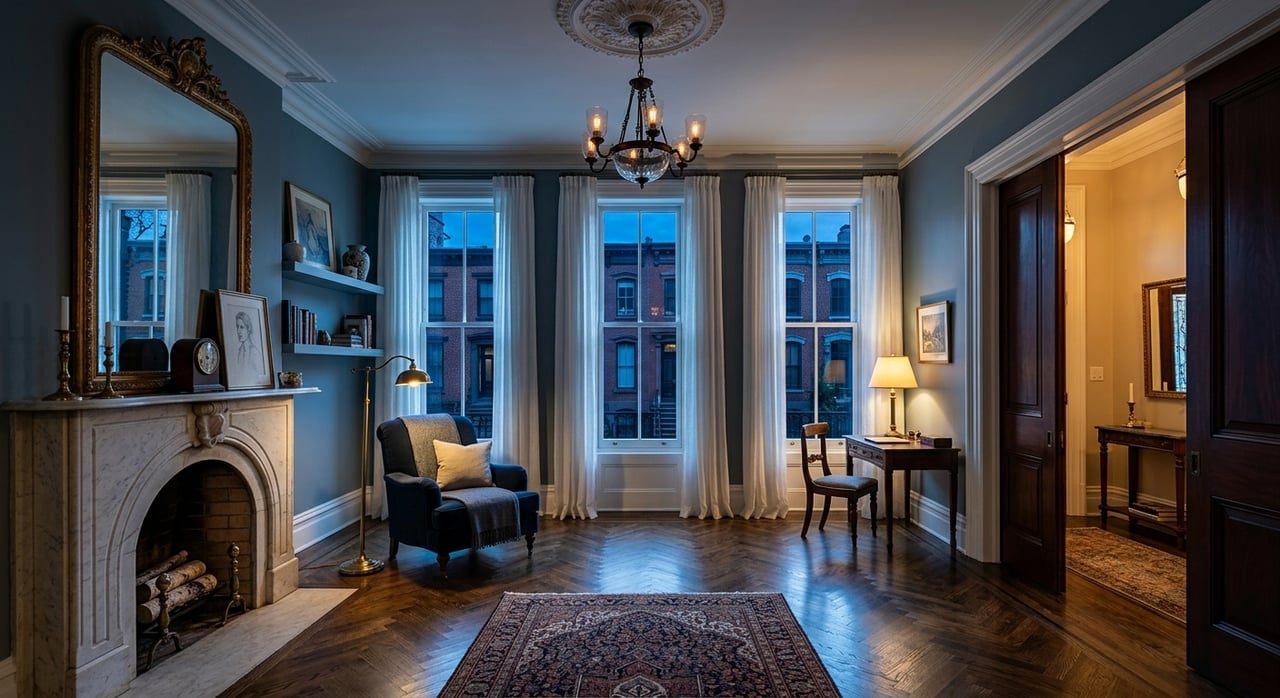
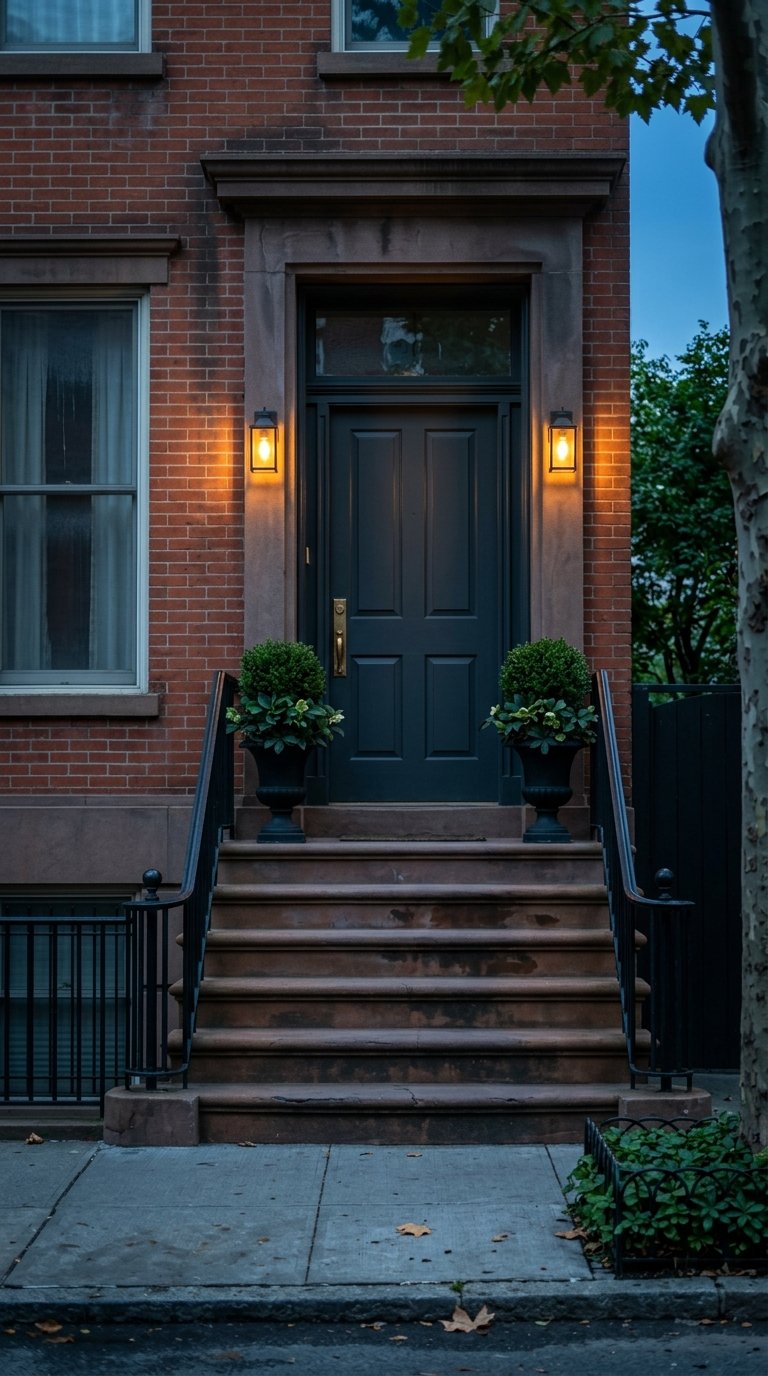
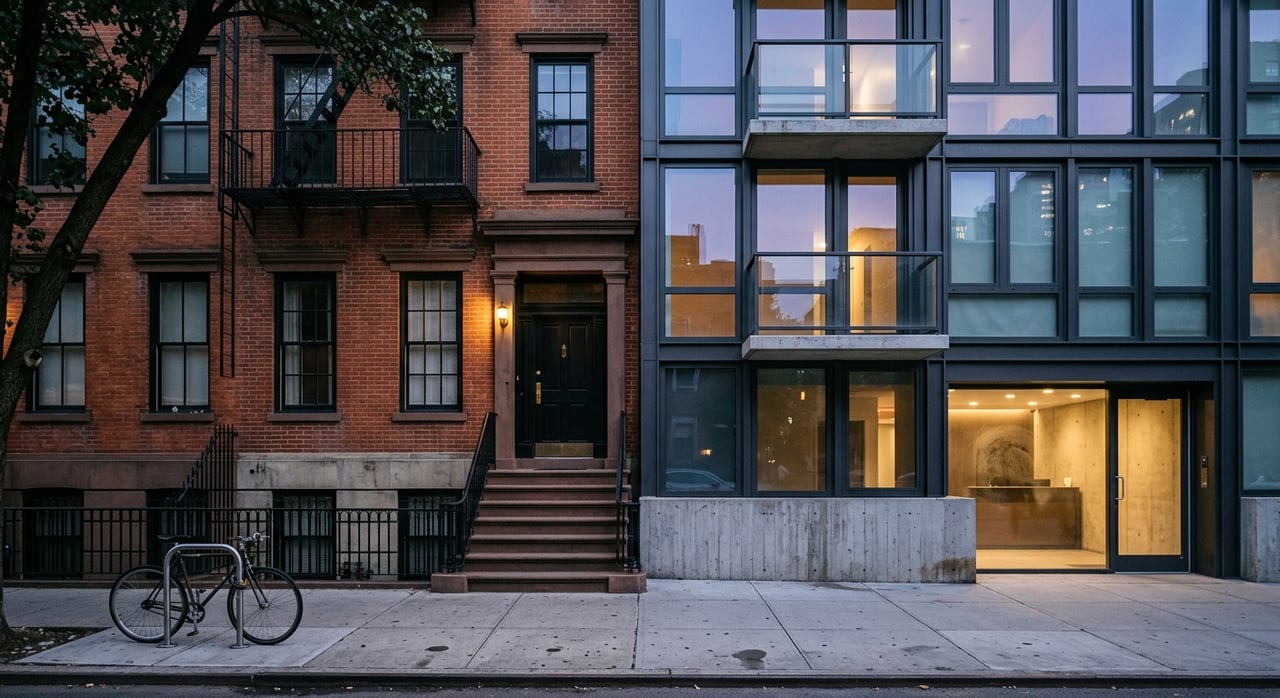
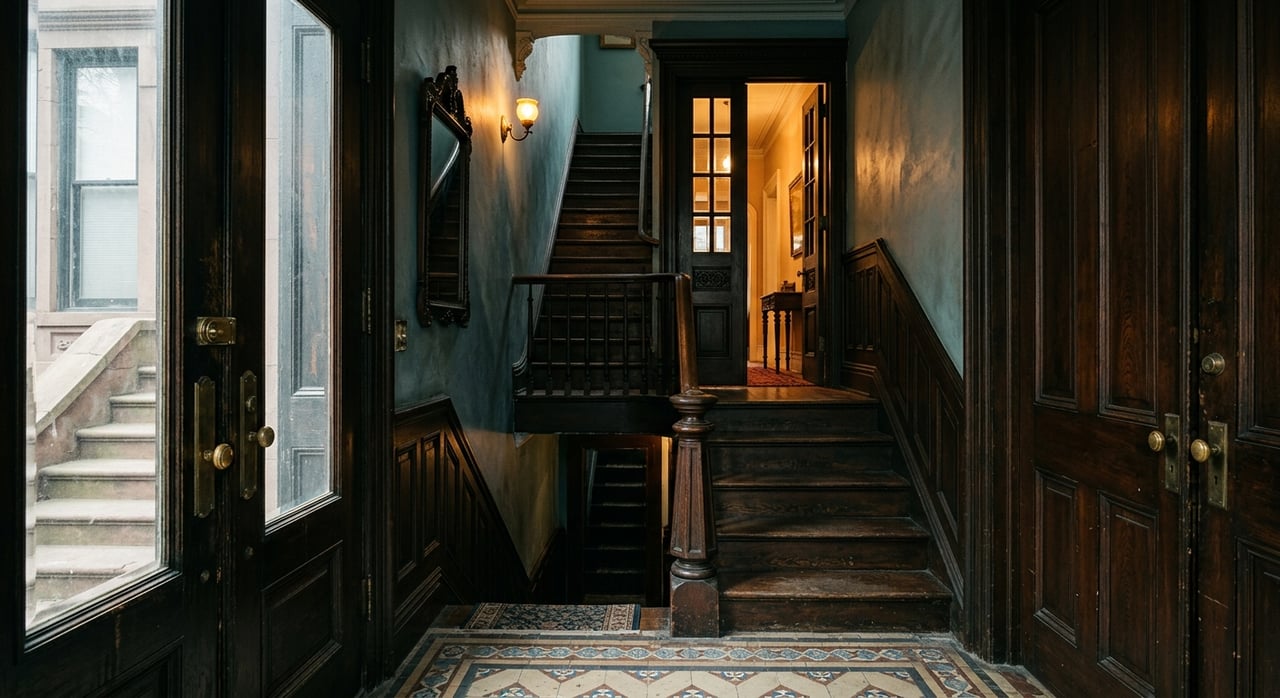
Crown Heights developed over many decades, from the 1850s through the 1930s, and that history still shows up in the neighborhood’s housing stock. The area includes row houses and townhouses with features like brownstone stoops, basement-level entrances, and three-bay facades.
That layout is part of why many buyers see multi-unit potential in these homes. In practice, they can often function as a single-household residence, an extended-family setup, or a stacked layout with separate living areas. Still, the legal use must be confirmed through the property record and certificate of occupancy, not just the floor plan.
Start with legal use, not layout
If you are considering a Crown Heights townhouse as a multi-unit home, the most important question is simple: What is the building legally allowed to be? A lower level with its own entrance may seem perfect for a rental or private suite, but appearance alone does not determine legality.
In New York City, zoning, the certificate of occupancy, building records, and code requirements all matter. A townhouse may physically resemble a two- or three-unit property while still being recorded and approved for a different use.
Tax class is not enough
A common mistake is assuming tax class answers the unit-count question. New York City’s Department of Finance says tax classification is not the same as legal use.
For example, Tax Class 1 generally covers most residential property with up to three units, while Class 2 starts with residential property that has more than three units. That can be useful background, but it does not confirm whether a townhouse is legally a one-, two-, or three-family home.
Certificate of occupancy matters most
For most buyers, the certificate of occupancy is one of the first documents worth checking. It helps show how the city recognizes the building and whether the current or planned setup matches that legal use.
If you are hoping to use a townhouse for multiple households, this step is essential. It can help you avoid buying a home based on an assumed layout that may later require costly changes or approvals.
Common multi-unit setups buyers consider
In Crown Heights, buyers usually explore a few common paths when looking at townhouse flexibility. Each one comes with its own practical and legal questions.
Single-household living with future flexibility
Some buyers want to use the whole townhouse as one home now while keeping future options open. That can make sense in a neighborhood where many homes have garden or lower levels that feel distinct from the main parlor and upper floors.
Even if the home feels easy to split later, you should still verify what the zoning and occupancy records allow. Future flexibility is valuable, but only if the legal path is realistic for that specific property.
Garden-level or basement rental unit
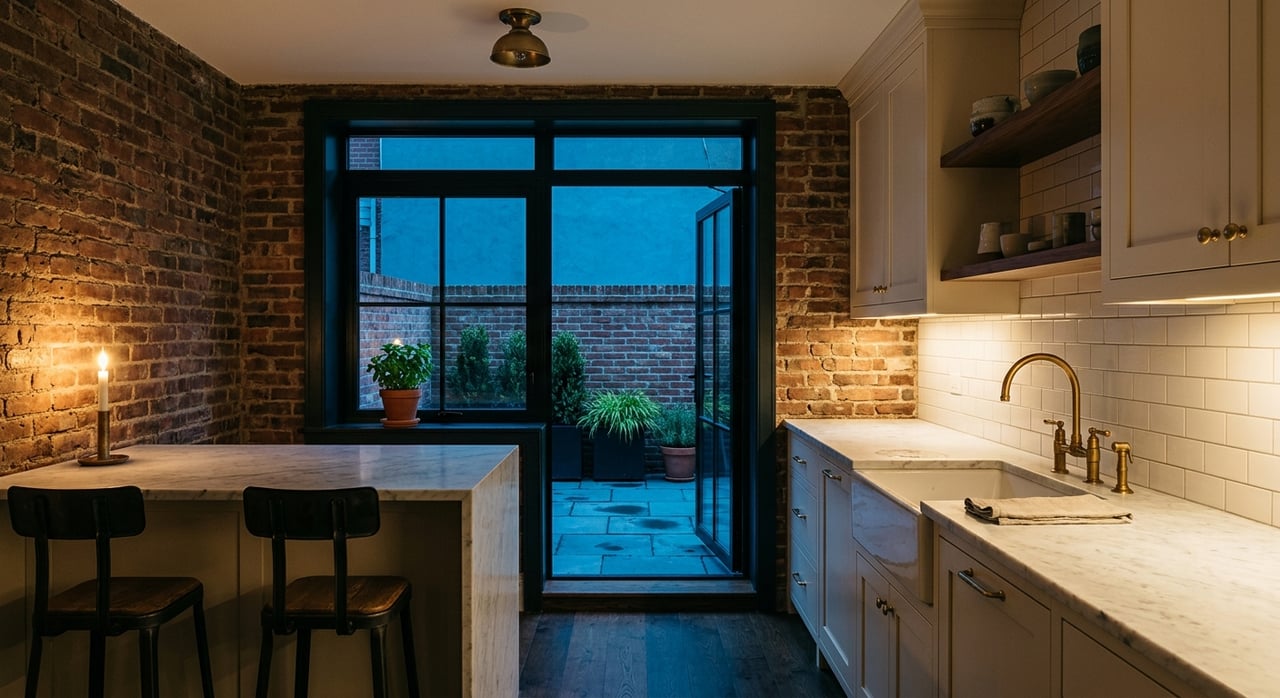
A lower-level unit is often the first idea buyers consider. New York City now allows accessory dwelling units, or ADUs, in certain one- and two-family homes, but the rules are detailed.
According to the Department of Buildings, ADUs must have a separate entrance. Basement or cellar projects can also trigger rules around ceiling height, emergency egress, fire separation, utility shutoffs, and flood-zone conditions.
This is where buyers need to be especially careful. The city also notes that in a two-family home, a basement cannot be lawfully rented if doing so would create a multiple dwelling with three or more units and require a new certificate of occupancy.
Extended-family or true multi-unit use
Some buyers want space for relatives, while others are looking for a primary residence with income from another unit. In New York City, buildings with three or more dwelling units are treated as multiple dwellings, and conversions or enlargements may require a new or amended certificate of occupancy.
That means your plan may be possible, but it may also require a more formal path than expected. Before you assume a townhouse can support a third unit or a larger multi-unit setup, the building’s existing approvals need a careful review.
Financing a Crown Heights multi-unit townhouse
Financing can be one of the biggest advantages of a legal multi-unit setup. For owner-occupants, both Freddie Mac and Fannie Mae permit qualifying properties that include 2- to 4-unit primary residences, and rental income from the other units may be used in qualifying.
In many cases, lenders may look at leases, tax returns, or appraisal-based rent when reviewing that income. If the property is a one-unit home with an ADU, rental income may still be considered on a more limited basis.
The key is that financing depends on the property’s recognized use and the lender’s underwriting standards. If projected rent is part of your buying strategy, ask early how the lender will evaluate the unit and what documentation will be required.
Due diligence that matters in Crown Heights
When you are buying a townhouse with multi-unit potential, due diligence should go beyond the listing description. A beautiful lower level, separate entrance, or finished basement may be appealing, but those features do not confirm lawful occupancy.
In Crown Heights, a smart review usually focuses on zoning, the certificate of occupancy, Department of Buildings records, Housing Preservation and Development records, and any open violations. This is often where the real story of a property becomes clear.
Check zoning and special district rules
New York City Planning’s ZoLa tool can help identify the property’s zoning district and other land-use details. That matters because the practical question is not only how the townhouse is built, but also what the zoning allows on that lot.
If there is a special district or another overlay affecting the property, that can shape your options too. For buyers thinking long term, this review can help separate realistic opportunities from costly assumptions.
Review DOB and HPD records
Because tax class, building classification, and legal occupancy are not identical, city records need to be checked carefully. This includes looking at DOB and HPD records and confirming whether there are open violations or issues tied to the current layout.
That review is especially important for basement and garden-level spaces. Items like ingress and egress, fire separation, ceiling height, and flood risk can directly affect whether a unit can be used at all.
Understand ADU resources, but do not skip property review
New York City now offers Plus One ADU and ADU for You resources for eligible homeowners. These programs can provide feasibility guidance, pre-approved plans, and support.
That is helpful, but they do not replace a property-specific zoning and code review. In other words, city resources can support your planning, but they cannot confirm that every townhouse is a good candidate.
Historic district rules can affect your plans
Some parts of Crown Heights fall within Landmarks Preservation Commission historic districts. If a townhouse is landmarked or located in a historic district, exterior changes may require LPC approval in advance.
That can matter if your plans involve modifying entrances, windows, facades, or other visible exterior features. If you are considering work that changes how the home functions as a multi-unit property, landmark status should be part of your early review.
Questions to ask before you buy
A townhouse with income potential can be a smart move, but the right questions matter. Before you move forward, it helps to ask your lender, attorney, and architect direct, property-specific questions.
Ask your lender
- Can this property be financed as an owner-occupied 2- to 4-unit home?
- How will projected rent from the other unit or units be documented?
- Will underwriting rely on leases, tax returns, or appraisal-based rent?
- If the home is a one-unit property with an ADU, how will ADU income be treated?
Ask your attorney
- Does the current unit count match the certificate of occupancy?
- Is the basement or garden-level unit legal as currently configured?
- Would my intended use require a new certificate of occupancy?
- Is the building in an LPC historic district that may limit exterior changes?
- Are there restrictions tied to short-term rental use?
Ask your architect
- What work would be needed to make the layout code-compliant?
- Is a separate entrance required for the intended setup?
- What fire-separation, egress, and ceiling-height issues need to be addressed?
- Are there flood-zone restrictions that affect lower-level use?
- What utility controls, disconnects, and shutoffs are required?
What this means for buyers in Crown Heights
Crown Heights townhouses often offer the kind of scale and layout that make flexible living attractive. For some buyers, that means room for extended family. For others, it means a chance to offset housing costs with rental income from a lawful second unit.
The opportunity is real, but so is the need for careful review. In this market, the smartest move is to judge a townhouse by what the zoning, certificate of occupancy, landmark status, and code requirements support, not just by what the layout suggests.
When you approach the process with the right team and clear information, you can make a more confident decision about whether a specific Crown Heights townhouse fits your goals. If you are exploring townhouses in Crown Heights and want practical guidance on how a property’s layout, records, and long-term potential fit together, connect with the Martinez Irizarry Team.
FAQs
Can you legally rent a basement apartment in a Crown Heights townhouse?
- Not always. In New York City, basement or cellar use depends on factors like legal occupancy, ceiling height, egress, fire separation, flood-zone rules, and whether the setup would require a new certificate of occupancy.
Does NYC tax class tell you if a Crown Heights townhouse is a legal two-family home?
- No. New York City says tax classification is not the same as legal use, so you should not rely on tax class alone to determine whether a townhouse is legally one-, two-, or three-family.
Can rental income help you qualify for a Crown Heights multi-unit townhouse?
- Yes, in some cases. For owner-occupied 2- to 4-unit primary residences, lenders may allow income from the other units to be used in qualifying, subject to underwriting rules and documentation.
Do Crown Heights historic district rules affect townhouse conversions?
- They can. If the townhouse is landmarked or located in a historic district, the Landmarks Preservation Commission may need to approve exterior changes before work begins.
What should you verify before buying a Crown Heights townhouse for multi-unit use?
- You should review the zoning, certificate of occupancy, DOB and HPD records, open violations, and any code or landmark issues that could affect your intended use.