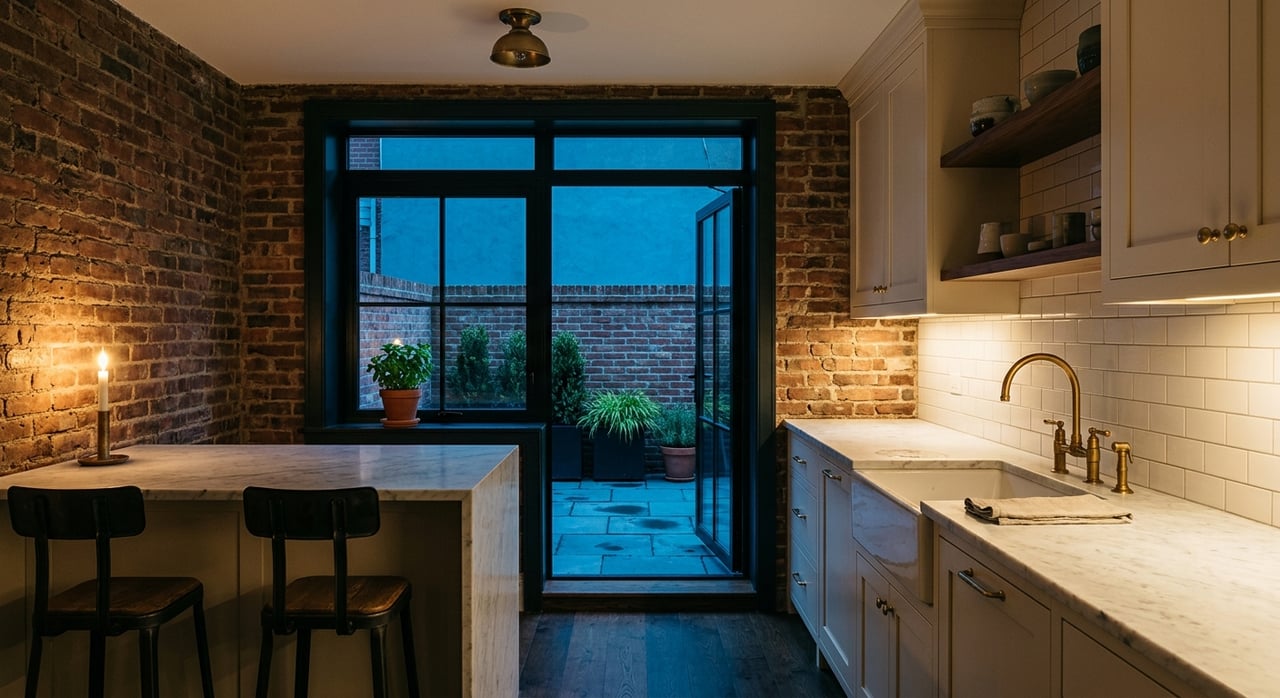
Thinking about renovating your Bed-Stuy brownstone before you sell? It is easy to get pulled toward splashy finishes and trend-heavy upgrades, but resale value in this market usually comes from a smarter balance. If you want your renovation dollars to work harder, the key is knowing what buyers notice, what local rules affect your plans, and which improvements tend to hold up best at resale. Let’s dive in.
Why Bed-Stuy brownstones are different
Bedford-Stuyvesant is not a one-size-fits-all renovation market. Parts of the neighborhood fall within LPC-designated historic districts, including the Bedford Historic District, Stuyvesant Heights Historic District, Bedford-Stuyvesant/Expanded Stuyvesant Heights Historic District, and Willoughby-Hart Historic District.
That matters because many of the features that give Bed-Stuy brownstones their appeal are also the features preservation rules are designed to protect. LPC designation reports repeatedly point to elements like stoops, rusticated basements, bracketed cornices, cast-iron railings, original doors, and stained-glass transoms as significant architectural details.
For resale, that creates a clear reality: buyers often fall in love with the original character first. The exterior presence, the front door, the stoop, and the period details can shape first impressions before anyone even gets to the kitchen.
Preserve what buyers cannot easily replace
If you are deciding where to spend and where to save, start with the details that are hardest to recreate later. In a Bed-Stuy brownstone, that often includes the stoop, railings, fences, front door, cornice, window surrounds, moldings, mantels, staircases, stained glass, pocket doors, and parlor-level woodwork.
These details are not just charming. They are expensive to replace properly and can be difficult to match once they are removed. One Brooklyn townhouse broker quoted by CityRealty noted that an original front door alone can cost roughly $12,000 to $15,000 to replace correctly.
That is why a resale-minded renovation often favors restoration over replacement. Cleaning up original millwork, repairing stained glass, refinishing floors, or restoring a banister can support value more effectively than swapping in generic new materials that flatten the home’s personality.
Focus on street-facing character
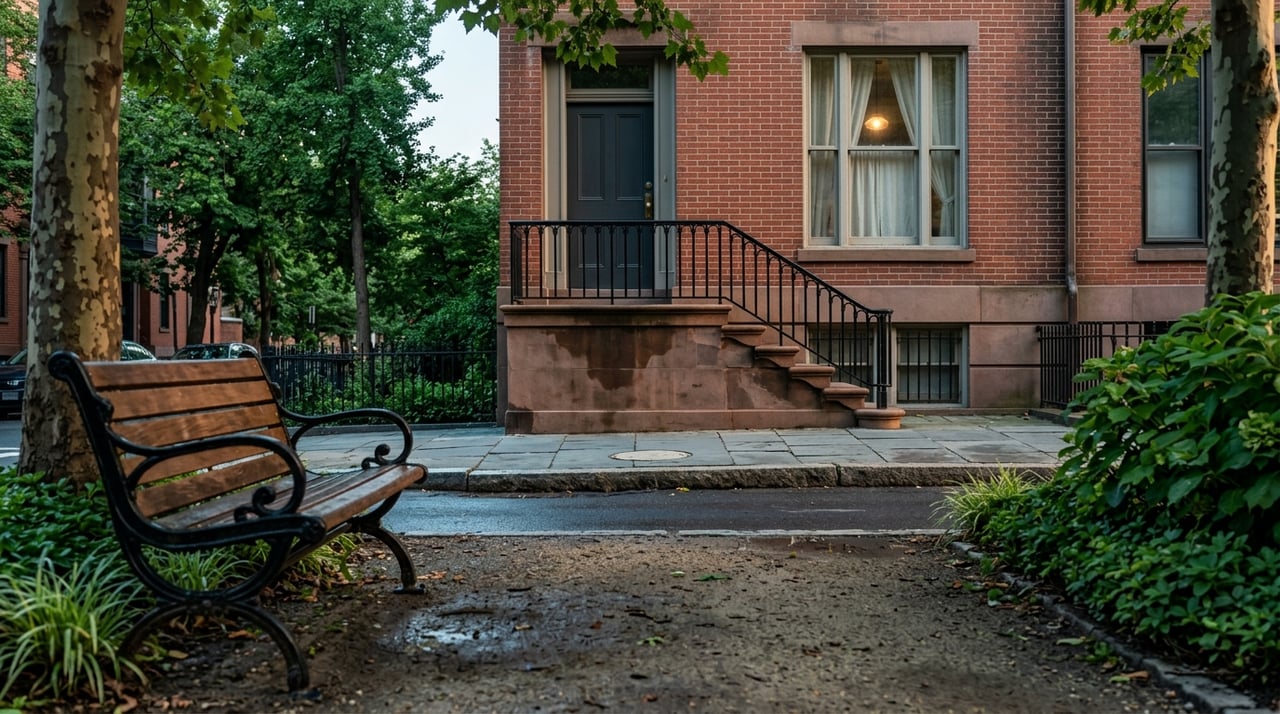
In Bed-Stuy, curb-facing details do a lot of heavy lifting. Buyers notice the façade, stoop, railings, entry door, and cornice right away, and those features also connect directly to the home’s architectural identity.
If your property is in a historic district, exterior work should be checked early against LPC rules. LPC states that permits are required for restoration, replacement, alteration, reconstruction, demolition, or new construction affecting the exterior of a landmarked property or a building in a historic district, including some work that is not visible from the street.
Upgrade kitchens and baths for function
Once the character pieces are protected, your next best resale move is usually improving how the home works day to day. Kitchens and bathrooms consistently matter because buyers read them as high-use spaces that affect comfort, budget, and move-in readiness.
According to NAR’s 2025 Remodeling Impact summary, a complete kitchen renovation and a minor kitchen upgrade each show an estimated 60% cost recovery at resale. Bathroom renovation comes in at 50%.
That does not mean you should overspend on luxury-for-luxury’s-sake finishes. In many Bed-Stuy brownstones, the stronger strategy is a kitchen or bath that feels updated, durable, and visually in step with the age of the house.
Aim for timeless over trendy
Houzz’s 2025 kitchen trends survey found that transitional style was the top choice among renovating homeowners, while traditional style also gained ground. For a brownstone, that supports a look that feels current without fighting the home’s proportions and architectural bones.
In practical terms, resale-friendly kitchens usually avoid extremes. A well-planned layout, solid storage, good lighting, and finishes that feel calm and classic often age better than highly personalized materials that could narrow buyer appeal.
Local listing examples in Bed-Stuy reflect this pattern. Brownstones that highlight original mantels, stained glass, pocket doors, and carved wood often pair those features with functional kitchens, updated baths, and easy access to outdoor space.
Improve light and flow
A beautiful brownstone can still feel chopped up or dark if the layout does not work well. That is why renovations that improve natural light, circulation, and flexibility often support resale better than decorative upgrades alone.
NAR notes that buyers continue to respond to natural light and open floor plans. In the townhouse market, CityRealty also points to thoughtful rear glass extensions as a way some owners bring in more light and create a more open interior while respecting the original façade.
This does not mean every brownstone should be turned into one giant open room. It means you should think carefully about where walls, doors, sightlines, and lighting either help or hurt daily living.
Make flexible space feel intentional
Many buyers of two- and three-family townhouses still plan to use them as single-family homes, according to CityRealty. That makes flexible lower-level space especially relevant, whether it is used for guests, extended household needs, remote work, or general overflow space.
If you are renovating with resale in mind, ask a simple question: will a future buyer understand how to use this space? Clear circulation, reasonable room proportions, and practical storage can make a lower floor or bonus area feel like a true asset rather than a puzzle.
Do not overlook outdoor space
Outdoor space carries real weight in brownstone marketing. It does not have to be elaborate, but it should feel usable, tidy, and connected to the home.
NAR’s outdoor remodeling report says 92% of REALTORS recommend improving curb appeal before listing, and 97% say curb appeal is important to attracting a buyer. In a Bed-Stuy brownstone, that usually points to a clean stoop, a maintained front areaway, and a rear yard, terrace, or deck that feels ready to enjoy.
Local listings reinforce the same theme. Bed-Stuy properties often call attention to features like landscaped yards, rear patios, parlor-floor decks, terraces, and lawn areas because they help the house feel more complete and more livable.
Keep outdoor improvements simple and useful
You do not need a highly designed backyard to make an impact. In many cases, resale value comes from making the space functional and inviting.
Useful improvements may include:
- A clean and stable stoop presentation
- Maintained railings and fencing
- A rear yard with defined seating or planting areas
- Direct kitchen access to a terrace, deck, or garden
- A layout that feels easy to maintain
The goal is not to create the most elaborate outdoor setup on the block. The goal is to help buyers picture themselves using the space right away.
Plan permits early
One of the biggest renovation mistakes in Bed-Stuy is treating permits and approvals like a last-minute step. In historic-district areas, that can create delays, redesign costs, or both.
LPC says many projects are handled at staff level, and complete Certificates of No Effect can often be approved within 10 business days. More substantial proposals may require a public hearing for a Certificate of Appropriateness.
That timeline makes early planning essential. Before finalizing design decisions for windows, stoops, facades, rear additions, or rooftop elements, confirm whether the property is in a designated historic district and what level of LPC review may apply.
Bring in the right professionals early
Because some work that seems minor from a Department of Buildings standpoint may still require LPC approval, it helps to involve a preservation-aware architect or contractor before plans are locked in. That can save you from paying for drawings or materials that later need to change.
This step matters for resale too. Buyers tend to feel more confident when renovations appear cohesive, well executed, and aligned with the building’s character rather than improvised in pieces.
Treat lead-safe planning as standard
Most Bed-Stuy brownstones date to the 19th or early 20th century. That means lead-safe planning should be part of your renovation thinking from the start.
EPA guidance states that anyone paid to disturb painted surfaces in homes built before 1978 must be certified and trained in lead-safe work practices. For older housing stock like Bed-Stuy brownstones, that makes lead-safe renovation procedures a practical baseline.
This is another reason to avoid rushing into cosmetic demolition before your team is in place. A careful plan can protect your timeline, your budget, and the long-term marketability of the work.
Where to spend and where to pause
If your goal is resale, you usually do not need to do everything. The more effective approach is to spend where buyers will feel the difference and preserve what gives the house its identity.
A strong Bed-Stuy brownstone renovation often prioritizes:
- Preserving the façade and key period details
- Updating kitchens and bathrooms for comfort and function
- Improving natural light and circulation
- Making lower-level or bonus space feel flexible and usable
- Creating a tidy, appealing stoop and outdoor setup
- Confirming LPC status and permit needs early
By contrast, highly customized, style-driven splurges may not return as much if they do not improve how the home lives or if they clash with the architecture buyers came to see.
If you are weighing whether to renovate before selling, it helps to think like both an owner and a future buyer. The best results often come from pairing original Bed-Stuy character with practical updates that make the home feel easier to love on day one.
When you are ready to plan your next move, the Martinez Team can help you think through which improvements may support your pricing, presentation, and resale strategy in today’s Brooklyn market.
FAQs
What renovations add the most resale value in a Bed-Stuy brownstone?
- In many cases, the most resale-friendly updates are preserving original period details, improving kitchen and bath function, bringing in more light, and making outdoor space feel usable and well maintained.
Does a Bedford-Stuyvesant brownstone need LPC approval for exterior work?
- If the property is landmarked or located in a historic district, LPC states that permits are required for many types of exterior work, including some projects that do not require a DOB permit.
Which original brownstone details should you preserve for resale in Bed-Stuy?
- The most important details often include the stoop, cast-iron railings, front door, cornice, moldings, mantels, staircase, stained glass, pocket doors, and other visible period features that are expensive to reproduce.
Are luxury renovations always the best choice before selling a Bed-Stuy townhouse?
- Not necessarily. The research points more toward functional, coherent upgrades with broad appeal rather than highly customized luxury packages that may not improve everyday livability.
Why does outdoor space matter when renovating a Bed-Stuy brownstone for resale?
- Local listings frequently highlight yards, decks, terraces, and landscaped rear spaces, and industry research shows curb appeal plays a major role in attracting buyers.
Should you think about lead-safe work before renovating an older Brooklyn brownstone?
- Yes. Because many Bed-Stuy brownstones were built before 1978, lead-safe renovation practices should be treated as a standard planning step when painted surfaces will be disturbed.