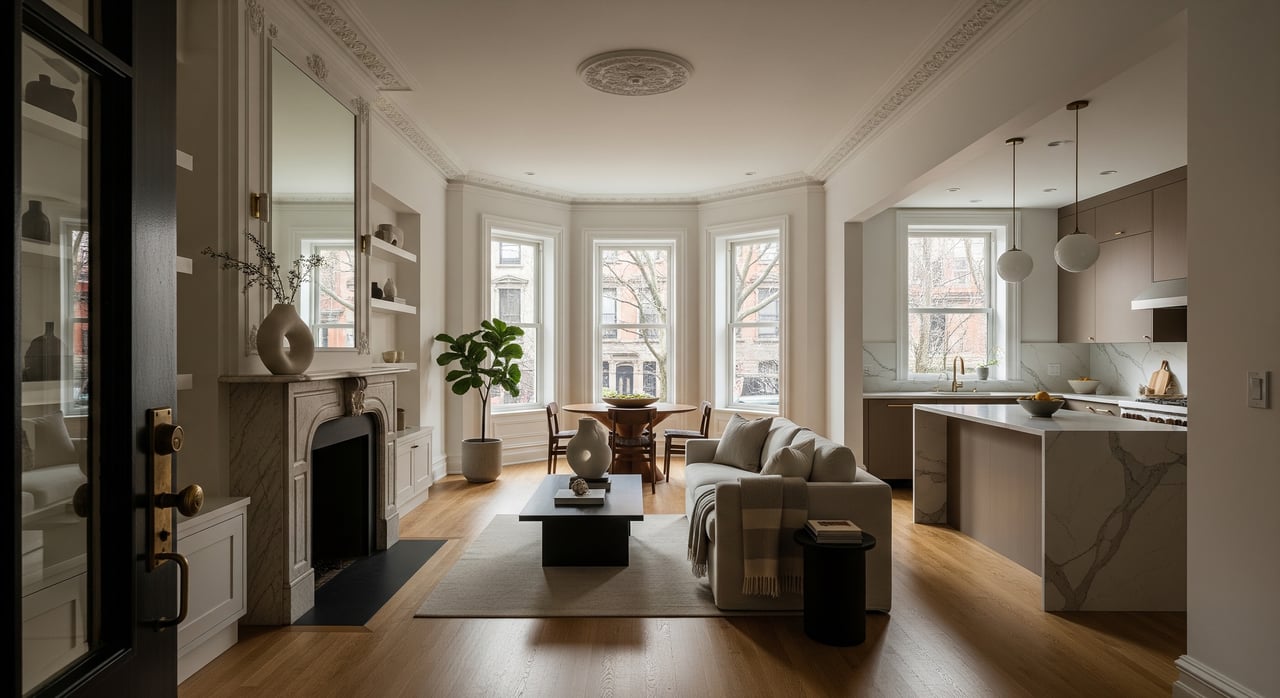
Thinking about buying your first home in Crown Heights? You’re not alone. The neighborhood draws buyers who want strong transit, historic architecture, and a lively mix of restaurants and culture. In this guide, you’ll learn what you can buy, how to budget for monthly and upfront costs, what the commute looks like, and how Crown Heights stacks up against nearby areas. Let’s dive in.
Crown Heights at a glance
Crown Heights sits in central Brooklyn east of Prospect Park, with commonly used boundaries that run from the Prospect Park and Eastern Parkway area on the west toward Utica and Ralph avenues on the east. To the north and south, you’ll see variations of Atlantic Avenue and Eastern Parkway in many descriptions. Boundaries can shift by source, so always confirm the exact block when you get serious about a property.
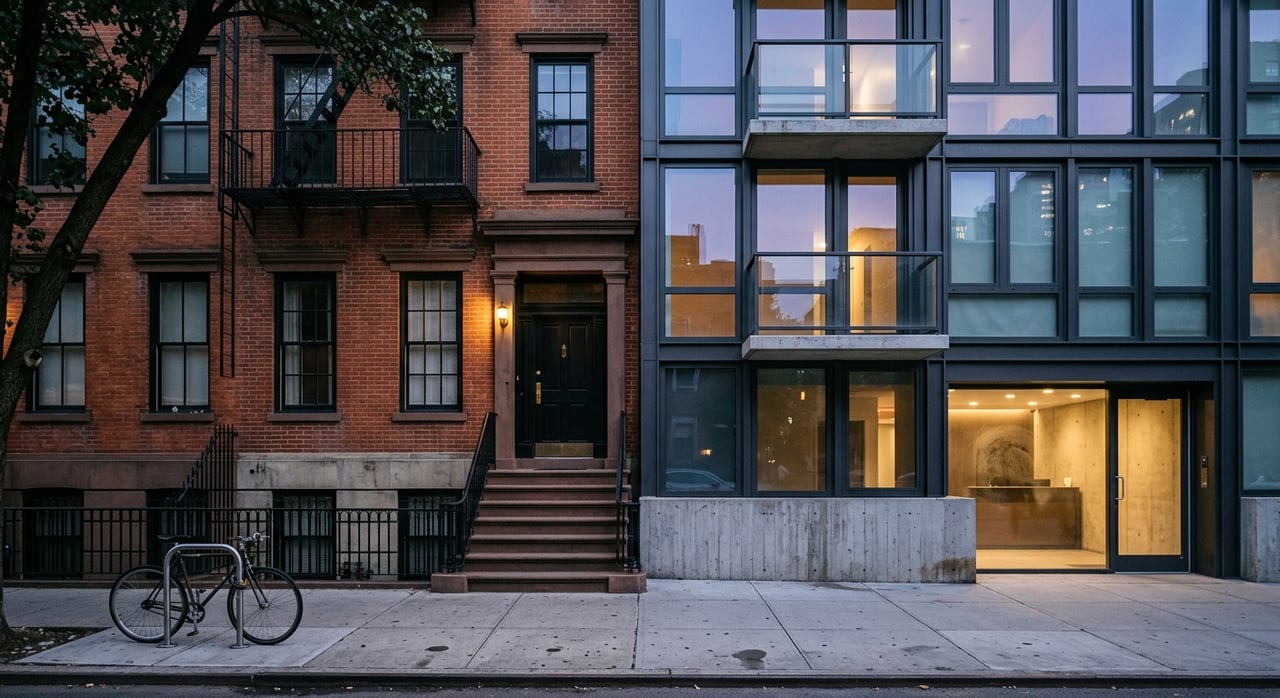
You’ll find a diverse mix of long-standing Caribbean and Afro-Caribbean communities, a large Hasidic Jewish presence in parts of the neighborhood, and many newer residents who arrived during recent years of growth. The built environment reflects that mix. Historic brownstones and rowhouses stand beside prewar walk-ups and newer mid-rise developments, and the commercial corridors continue to evolve.
Demand has risen over the past decade, with renovations, condo conversions, and infill construction on select avenues. Prices vary block to block and are influenced by condition, size, and proximity to transit or Prospect Park. Expect micro-markets within the neighborhood that reward careful comparison.
What you can buy
Co-ops
Co-ops are common in older walk-up and prewar buildings. You technically buy shares in a corporation that owns the building, and most co-ops require a detailed board application and interview. Purchase prices can be lower than in comparable condos, but you’ll need to meet financial standards and often show higher post-closing liquidity. Subletting rules can be strict, so plan ahead if rental flexibility matters to you.
Condos
Condos are typically easier to finance and offer more flexibility for renting and renovating, though rules vary by building. In Crown Heights, you’ll find both boutique conversions and newer mid-rises along major corridors. Per-square-foot prices can be higher than co-ops, but you own the real property unit and share the common elements, which many first-time buyers prefer for long-term flexibility.
Brownstones and 2–4 family houses
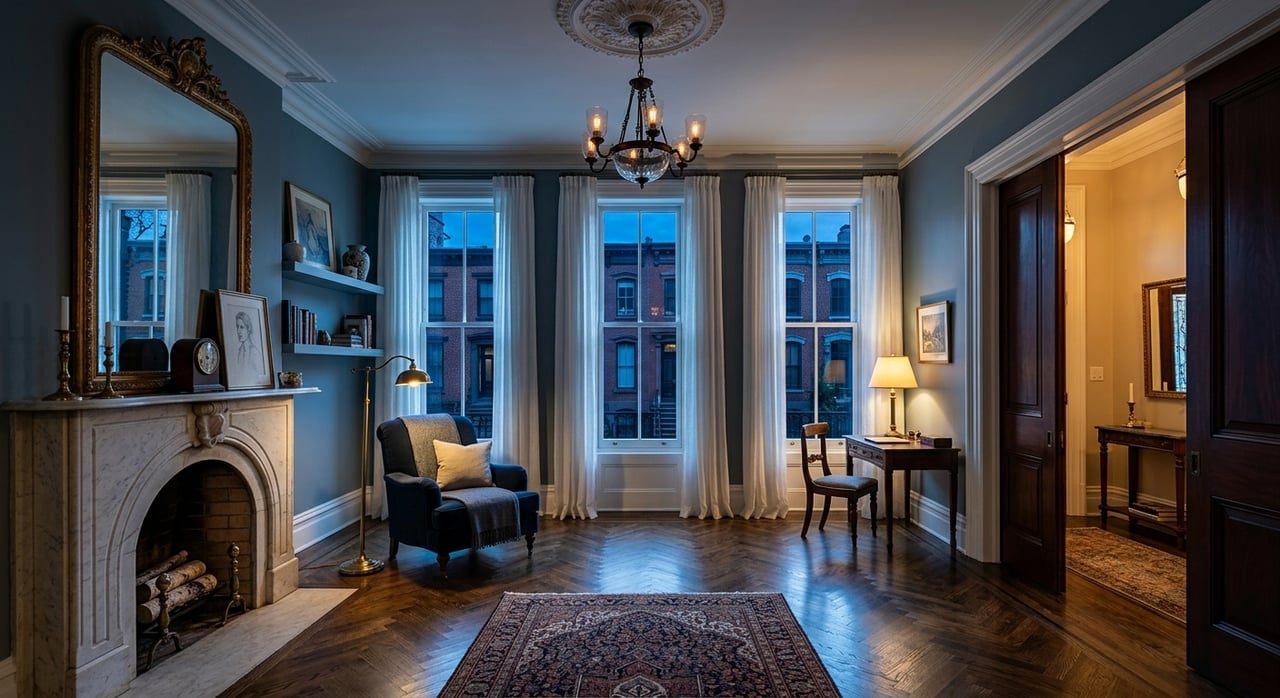
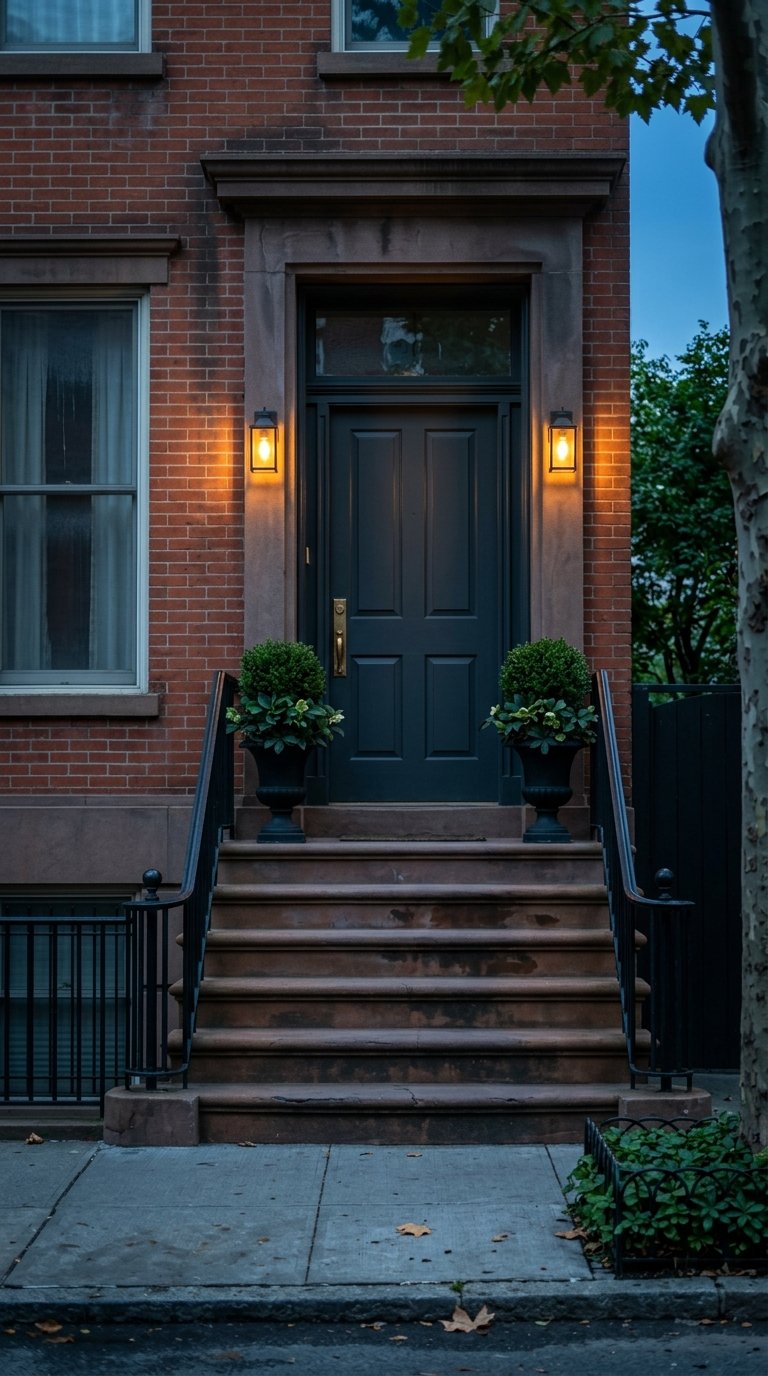
Late 19th and early 20th-century brownstones are a signature of Crown Heights. Some are sold as single-family homes, while many are configured as two to four family buildings. If you plan to live in one unit and rent others, this setup can offset monthly expenses, but it comes with more active management. Underwriting for small multi-family properties can differ from single units, so talk to a lender familiar with these homes.
Typical sizes and layouts
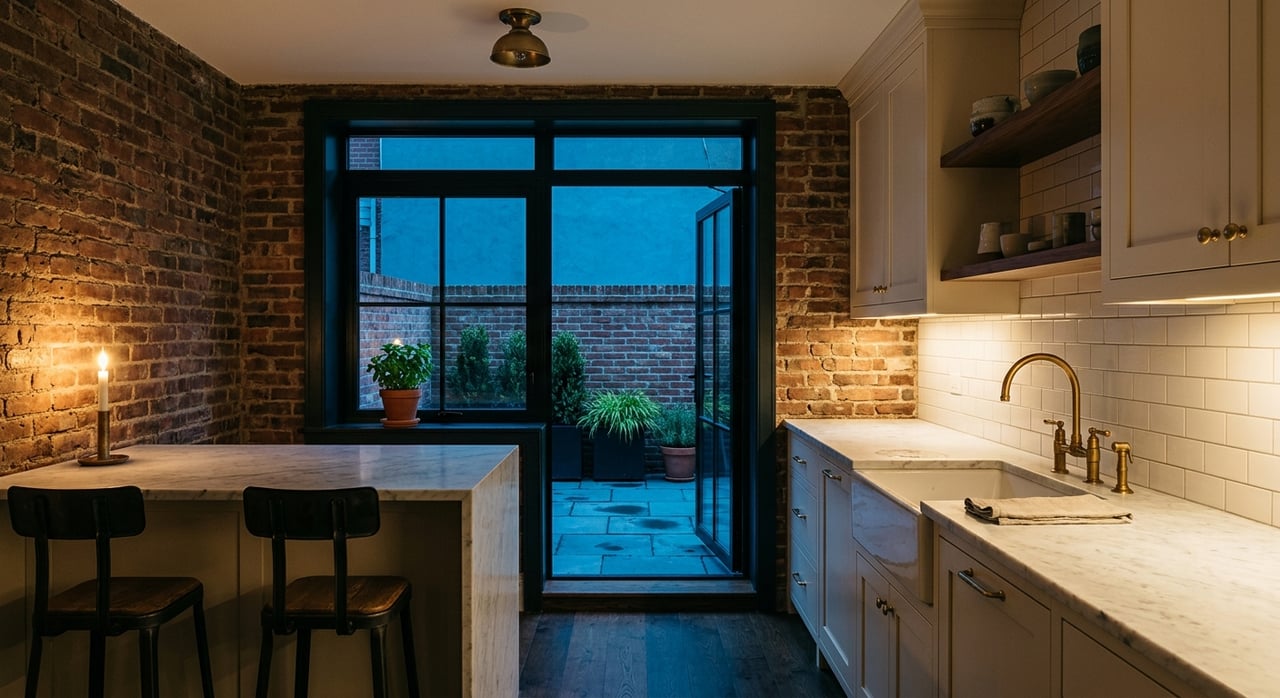
Studios and one-bedrooms are common in co-ops and older walk-ups. Two-bedroom and larger layouts appear in brownstone conversions and larger prewar buildings. Whole brownstones and multi-family properties deliver more space and often outdoor areas, but they come with higher price points and maintenance responsibilities. Condition matters. A gut renovation and a turnkey home can live on the same block and price out very differently.
What it may cost each month
Beyond your mortgage, plan for recurring expenses that vary by property type:
- Co-ops: Monthly maintenance often includes building taxes, insurance, and some utilities, as well as contributions to reserves. Service level, staff, and underlying mortgage can shift costs significantly.
- Condos: Common charges cover shared areas, building insurance, and reserves. Your unit’s property taxes are billed separately to you.
- Multi-family: You pay building property taxes and operating costs. If you rent out units, model income and expenses carefully.
Also budget for assessments, insurance, utilities, and reserves. When you request financials, look for recent capital projects, reserve funding, and any planned work that could affect your monthly costs.
Upfront costs and first-time buyer programs
Closing costs in New York City go beyond your down payment. Expect attorney fees, title and search fees, lender charges, and applicable transfer or mortgage recording taxes depending on the transaction. Percentages vary with price and product type, so ask your lender and attorney for detailed estimates early.
Financing options for first-time buyers often include conventional mortgages, FHA loans, and VA loans if you qualify. New York State and City programs may help with down payment or favorable terms. Look into options from the State of New York Mortgage Agency, and review current offerings from city housing agencies. Program limits and eligibility change, so confirm details with lenders and official agencies. For co-ops, know that buildings can require higher liquid reserves and stricter debt-to-income ratios.
Getting pre-approved by a lender who regularly works on NYC co-op and condo deals will set a realistic budget and help you move quickly when the right listing appears.
Commute and transportation
Crown Heights is known for strong transit access. Subway stations and bus routes line major corridors such as Eastern Parkway, Franklin Avenue, Nostrand Avenue, and Fulton Street. Your exact commute depends on your block and train line, but many trips to Midtown Manhattan fall in the 25 to 45 minute range when you account for transfers.
If you bike, you’ll find marked routes on key streets and easy access to Prospect Park for recreation. Driving is an option, though you should factor in street parking rules, congestion, and the time of day. Before you commit to a home, test your commute during peak and off-peak times, and check for any planned service changes that might affect your routine.
Lifestyle, parks, and culture
Proximity to Prospect Park is a major draw for many buyers. You can enjoy large open spaces, sports fields, and weekend strolls close to home. Pocket parks and playgrounds dot the neighborhood as well, though access varies by block.
Cultural anchors include the Brooklyn Children’s Museum along Eastern Parkway and the Weeksville Heritage Center, a site that preserves and shares the history of one of America’s first free Black communities. The Eastern Parkway corridor also hosts notable events, and on certain holidays street activity and transportation patterns will shift.
For food and retail, explore Franklin Avenue, Nostrand Avenue, Eastern Parkway, and Utica Avenue. You’ll see longstanding local businesses, Caribbean eateries, kosher markets, and newer restaurants and bars. Offerings change by block, and turnover is normal in a dynamic corridor.
For schools and childcare, you’ll find public, charter, and private options in and near Crown Heights. Admissions rules and performance metrics vary, so review the latest city resources and speak to school administrators for current guidance. Daycare and preschool waitlists can be common in popular areas.
Healthcare needs are supported by local clinics and pharmacies, with larger hospitals accessible in nearby neighborhoods. You also have Brooklyn Public Library branches close by for study, events, and community programming.
Co-op, condo, or small multi-family
If you want a lower entry price and do not need rental flexibility, a co-op may work well, provided you meet board requirements and are comfortable with the approval process. If you value flexibility for rentals or renovations and prefer a simpler ownership structure, a condo can be a better fit even if the purchase price is higher.
If you want to house-hack or build equity while collecting rent, a two to four family house can make sense. You will act as a small landlord and should plan for repairs, tenant screening within legal guidelines, and compliance with local housing regulations. Always review leases, building code status, and rent stabilization factors that could affect cash flow.
Inspections and due diligence
Buildings here are often older, so inspections matter. Ask your inspector to focus on:
- Structure and foundations in brownstones, with a look at basements for water intrusion.
- Plumbing and electrical systems, which may be outdated in some properties.
- Potential lead paint in older homes and any related disclosures.
- Roof condition, masonry pointing, and moisture or mold signs in common areas.
For multi-family properties, review the rent roll, lease terms, and registration status. Confirm building code compliance and check for open violations. For condo conversions or newer buildings, look into reserve funding, recent capital projects, and any pending litigation. To understand safety trends, review recent precinct statistics and visit the block at different times of day.
Zoning can vary from corridor to corridor. Some avenues permit higher density buildings while interior rowhouse blocks keep a lower-scale character. If light, views, or future development matter to you, review current zoning maps and any community board notes on proposed projects nearby.
Crown Heights vs nearby neighborhoods
Compared with Park Slope and Prospect Heights, Crown Heights often offers more space for the price across many property types, especially in brownstones and prewar stock. You still get strong park access on the western side of the neighborhood, though building types and block patterns are more varied.
Compared with Bedford-Stuyvesant, you will find price overlap. Certain parts of Bed-Stuy can offer lower prices, but access to Prospect Park and cultural institutions along Eastern Parkway often tilts in Crown Heights’ favor for some buyers. As always, two blocks can differ more than the neighborhood average.
Compared with Flatbush and Prospect Lefferts Gardens, Crown Heights sits a bit closer to multiple central corridors and can offer denser transit options depending on the address. Housing types and cultural diversity feel familiar across these areas, so many buyers tour all three before deciding.
Smart next steps for first-time buyers
- Clarify your must-haves and nice-to-haves, including property type, number of bedrooms, and commute targets.
- Get pre-approved with a lender that understands NYC co-ops, condos, and small multi-family loans.
- Decide where you stand on co-op versus condo versus 2–4 family. Balance flexibility, monthly costs, and lifestyle.
- Tour different micro-areas within Crown Heights at various times of day to feel block-level differences.
- Build a realistic budget that includes monthly carrying costs and a reserve for maintenance.
- Work with a local team that can coordinate attorneys, lenders, inspectors, and property management referrals so you move from offer to closing with confidence.
Ready to make Crown Heights your first home base in Brooklyn? We’re here to help you compare options, run the numbers, and navigate each step with clarity. Start the conversation with Justin Martinez and get a personalized plan.
FAQs
What are typical prices for a 1- or 2-bedroom in Crown Heights today?
- Prices shift by block, building type, and condition, so use current market reports and active listings for up-to-date ranges and expect renovated units near major transit to carry premiums.
Should I buy a co-op, a condo, or a 2–4 family as my first home in Crown Heights?
- Choose based on flexibility needs, monthly cost comfort, and willingness to manage property, since co-ops often cost less upfront, condos offer more rental flexibility, and small multi-family homes add landlord responsibilities.
What are typical monthly carrying costs for Crown Heights apartments?
- Co-op maintenance can include taxes and some utilities, condo common charges cover shared expenses with taxes billed separately, and multi-family owners pay building taxes and operating costs, so request building financials to model your total.
How long does a co-op board process take in Crown Heights?
- After contract signing, expect several weeks to prepare a board package and additional time for review and an interview, and timelines vary by building and board schedule.
How should I assess safety when considering Crown Heights?
- Review recent precinct statistics and visit the block at different times of day to form your own view, since conditions and perceptions can vary by micro-area.
Are there first-time homebuyer programs for NYC residents purchasing in Crown Heights?
- Yes, options can include state and city programs along with conventional, FHA, and VA loans, and you should confirm current eligibility, limits, and down payment assistance with official agencies and lenders.
What should I inspect in a Crown Heights brownstone or small multi-family before buying?
- Focus on structure, basements, roof and masonry, plumbing and electrical systems, potential lead paint, and for multi-family buildings verify leases, code compliance, and any open violations before you commit.