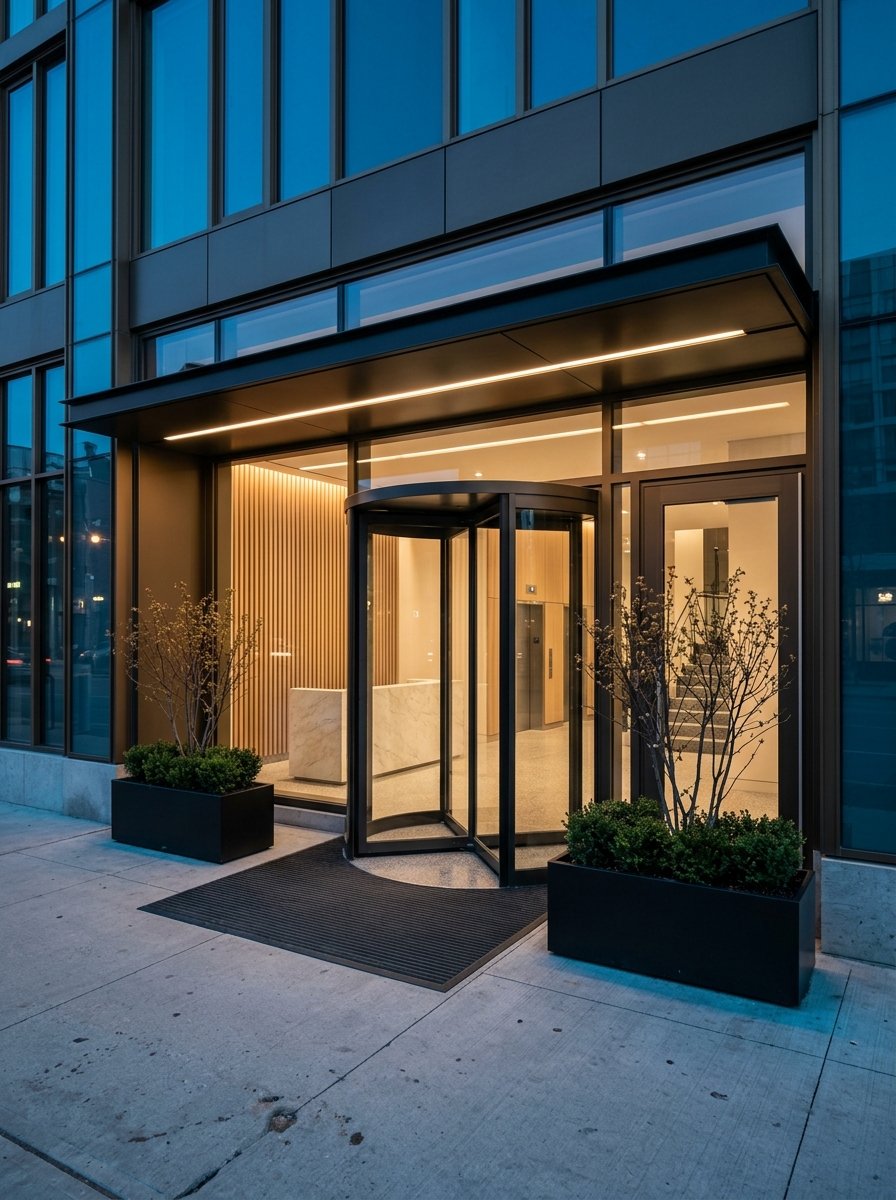
Thinking about a brand-new condo in Downtown Brooklyn but not sure how to compare buildings with confidence? You’re not alone. The neighborhood has transformed since the 2004 rezoning, which sparked a wave of glassy towers, mixed-use projects, and amenity-rich living that can be hard to sort through. In this guide, you’ll get a clear, step-by-step way to evaluate new developments, what to verify in the offering plan, and real building examples to study. Let’s dive in.
The 6 pillars to compare new condos
1) Sponsor, team, and track record
A sponsor’s reputation shapes your experience long after move-in. Ask for the sponsor name, prior projects, property manager, and whether there is any open litigation or enforcement history. You can confirm sponsor principals and the official file number in the Attorney General’s offering-plan database.
Why it matters: quality control, warranty follow-through, closing timelines, and board stability all depend on the sponsor’s execution and finances. Publicized financial stress can delay amenities or relaunches. The Brooklyn Tower’s path illustrates why you verify lending and control changes, as seen in coverage of its sales relaunch under new control (The Real Deal).
2) Offering plan, budget, and governance
Do not rely on marketing alone. Get the full offering plan and amendments, the declaration and bylaws, and the building budget and reserve schedule. The AG’s consumer guide explains what these must disclose, from appliance brands to amenity specifications and warranty items. Review it alongside the plan using the AG’s “Before You Buy” guidance.
What to look for: exact amenity lists, permitted substitutions, sublet and short-term rental rules, flip taxes, sponsor rights to change house rules, and management contracts. Flag any vague language that lets the sponsor delay or swap out amenities without clear remedies.
3) Amenities vs operating cost
Amenities drive common charges. Compare like with like: staffing levels, utilities included, pools and elevators, garage operations, insurance, and any third-party amenity operators. Use the building’s budget and recent comps to estimate total monthly carry: mortgage plus taxes plus common charges.
Red flags: unusually low advertised common charges paired with thin reserves, or frequent special assessments in minutes. Ask for the latest budget, financials, and reserve funding schedule in Schedule A.
4) Taxes and abatement timeline
Many Downtown Brooklyn condos once relied on 421-a exemptions. That program largely expired in mid-2022, though some projects vested earlier and still benefit. Always verify the exact schedule in the offering plan and cross-check with HPD’s 421-a program page and the Department of Finance. For context on recent changes and successor options, review the NYC IBO’s summary of state policy impacts (IBO overview).
Tip: pull a recent property tax bill to confirm assessed value and any abatement lines via the NYC DOF portal (DOF tax resources).
5) Resale and investor rules
Your exit plan matters. Some condos cap rentals, require an owner-occupancy period, or ban short-term use. Read the declaration and bylaws for explicit sublet language and any percent-of-units rental cap. The AG’s guide outlines which rules must be disclosed and how to read them (AG buyer guidance).
If you plan to rent, confirm policy details in writing before you sign a contract. These rules can affect yield and the pool of future buyers.
6) Location, layouts, and micro-factors
In Downtown Brooklyn, transit access, retail convenience, light and views, outdoor space, and exposure all influence value. Also check the near-term pipeline. If several towers are delivering in the next 12 to 24 months, pricing and concessions can shift quickly. The neighborhood’s growth since the 2004 rezoning explains today’s inventory swings and amenity arms race (Downtown Brooklyn background).
What to verify before you sign
- Offering plan and amendments with the AG file number. Confirm filings in the AG database.
- Schedule A budget, reserve plan, and latest financials. Cross-check amenity specs and appliance brands with the AG’s buyer guide.
- Abatement status and expiration dates. Verify in the offering plan, HPD’s 421-a page, and DOF tax records.
- Building risk checks. Pull DOB and HPD histories for open violations or safety issues. This how-to guide shows where to find them.
- Sponsor disclosures. Ask remaining unsold units, TCO or CO timing, and the delivery schedule for amenities. Confirm any plan to retain units or bulk sell.
- Warranties and management. Confirm applicable warranty protections in the offering plan and review the management contract’s fees and termination terms.
- Rental policy. Get the condo’s subletting rules, any waiting periods, rental caps, and short-term prohibitions in writing.
How to read the offering plan faster
- Description of Property. This is where the building must list amenities, parking, landscaping, and appliance models. Do not rely on renderings alone. Use the AG’s buyer guidance as a checklist.
- Schedule A and the budget. Confirm staffing assumptions, utility costs, insurance, elevator and pool maintenance, and reserve funding plans.
- Declaration and bylaws. Focus on subletting, terrace rules, alteration procedures, board election schedules, and any flip tax.
- Sponsor disclosures. Note sponsor rights to amend rules, any parking or retail reservations, and the number of units the sponsor may retain.
Downtown Brooklyn examples to study
- 11 Hoyt. A modern luxury tower known for a curated amenity program and large landscaped outdoor spaces. Use it as a template for how high-amenity buildings present budgets and common charges.
- Brooklyn Tower, 9 DeKalb Avenue. A mixed-use supertall with condos above a landmarked podium. It highlights the complexity of stacked ownership structures and why sponsor financing diligence matters. For background, see the Brooklyn Tower overview and reporting on the sales relaunch under new control (sales relaunch coverage).
- Brooklyn Point, 1 City Point. A high-amenity condo with resort-style features, including a major pool. It is a good benchmark for how amenity scale shows up in monthly costs.
- BellTel Lofts (conversion). An earlier Downtown Brooklyn conversion with a different amenity footprint and abatement history than new ground-up towers. Useful for comparing long-term operating costs and building systems modernization (BellTel Lofts background).
Red flags that merit a pause
- A large share of unsold sponsor units combined with aggressive concessions.
- Reports of sponsor loan defaults, lender enforcement, or control changes tied to financial distress. See the Brooklyn Tower’s relaunch reporting for a real-world example (coverage).
- Broad offering-plan language allowing amenity substitutions or delivery delays without clear buyer remedies. Cross-check the AG’s buyer guidance.
- Thin or negative reserves and recent special assessments.
- Repeated or serious DOB or HPD violations flagged in public records. Use this step-by-step violation search guide.
Your one-week action plan
- Pull the offering plan and AG file number in minutes using the AG database.
- Print DOB and HPD records for the address to spot open violations and safety issues using this how-to.
- Request the latest annual budget, reserve schedule, and last 12 months of board minutes; confirm amenity staffing and utility assumptions.
- Download a recent property tax bill from the NYC DOF portal and compare abatement lines with the offering plan and HPD’s 421-a page.
- Ask the sponsor for a written list of delivered versus pending amenities, the current punch list, and expected TCO or CO timing.
Condo vs co-op at a glance
- Ownership and approvals. Condos convey real property with more market-style transfers. Co-ops involve shares and typically require board approval.
- Subletting and investor rules. Co-ops often limit rentals. Many new condos permit rentals but can still restrict or prohibit certain terms. Confirm rules in the declaration.
- Monthly costs. Condo owners usually pay mortgage plus separate property taxes plus common charges. Co-op maintenance often includes taxes and any building mortgage. Compare total monthly carry, not just one line item.
If you want a clear, building-by-building comparison tailored to your goals, we can help you gather documents, read the numbers, and negotiate the right terms. Start a conversation with Justin Martinez to get a Downtown Brooklyn game plan.
FAQs
What documents should I request when buying a new condo in Downtown Brooklyn?
- Ask for the full offering plan and amendments, declaration and bylaws, current budget and reserve schedule, recent financials and minutes, and the AG file number to confirm in the AG database.
How do 421-a tax abatements affect my monthly condo costs in Downtown Brooklyn?
- Abatements can materially lower taxes for set periods. Since 421-a largely expired in 2022, verify if your building vested and confirm dates in the plan and with HPD’s 421-a page.
How can I check for building violations before buying a Downtown Brooklyn condo?
- Search DOB and HPD portals for open violations, ECB or OATH dockets, and CO status. This how-to guide shows each step.
What drives common charges in new Downtown Brooklyn condos?
- Staffing, utilities, elevators, pools, garage operations, insurance, and amenity scale drive costs. Read Schedule A and the budget to compare true monthly carry, not just list prices.
Are new ground-up condos or conversions better for long-term value in Downtown Brooklyn?
- It depends on your goals. New towers often offer larger amenity packages with higher operating costs, while conversions may have different systems and abatement histories. Compare reserves, maintenance needs, and rules to match your timeline.