Wondering what your Bed-Stuy townhouse is really worth right now? Pricing in Bedford-Stuyvesant can swing widely from block to block, and small differences in layout or legal status can move the number by six figures. You want a clear path that separates opinion from facts. In this guide, you’ll learn a data-driven way to set a confident asking price using verified NYC records, smart comp selection, and investor metrics where they apply. Let’s dive in.
What drives Bed-Stuy townhouse value
Physical features that matter
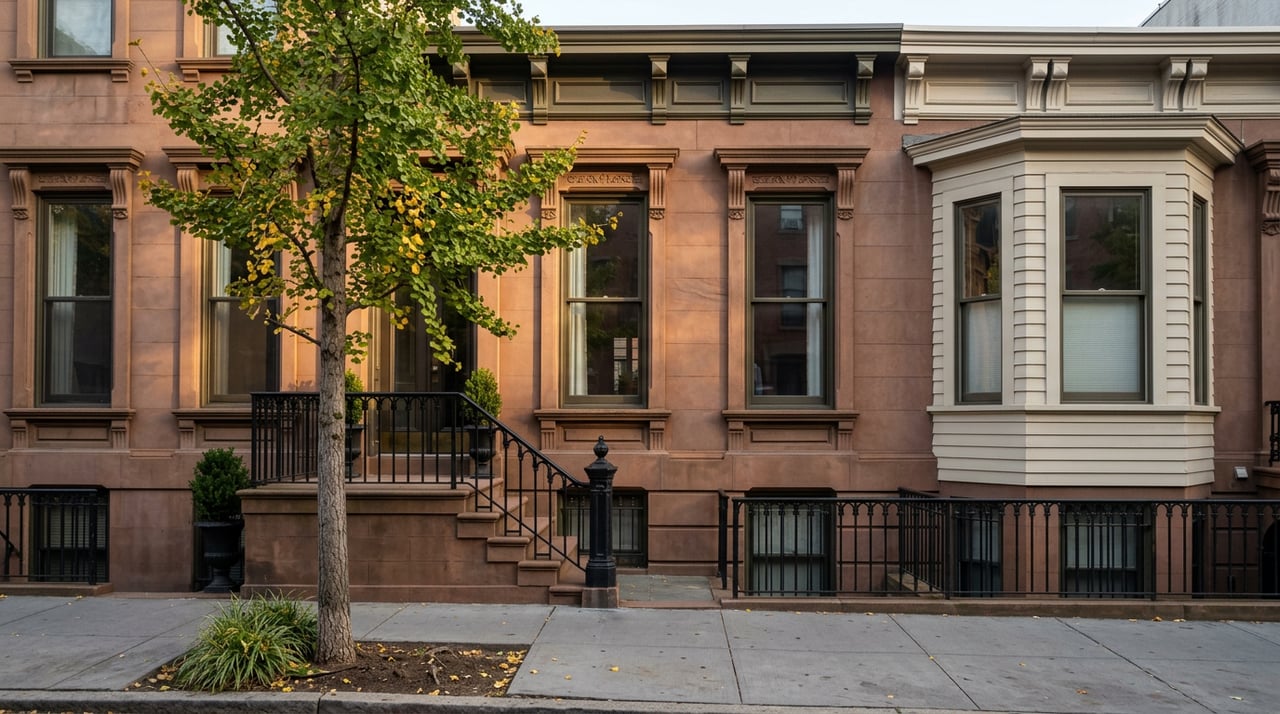
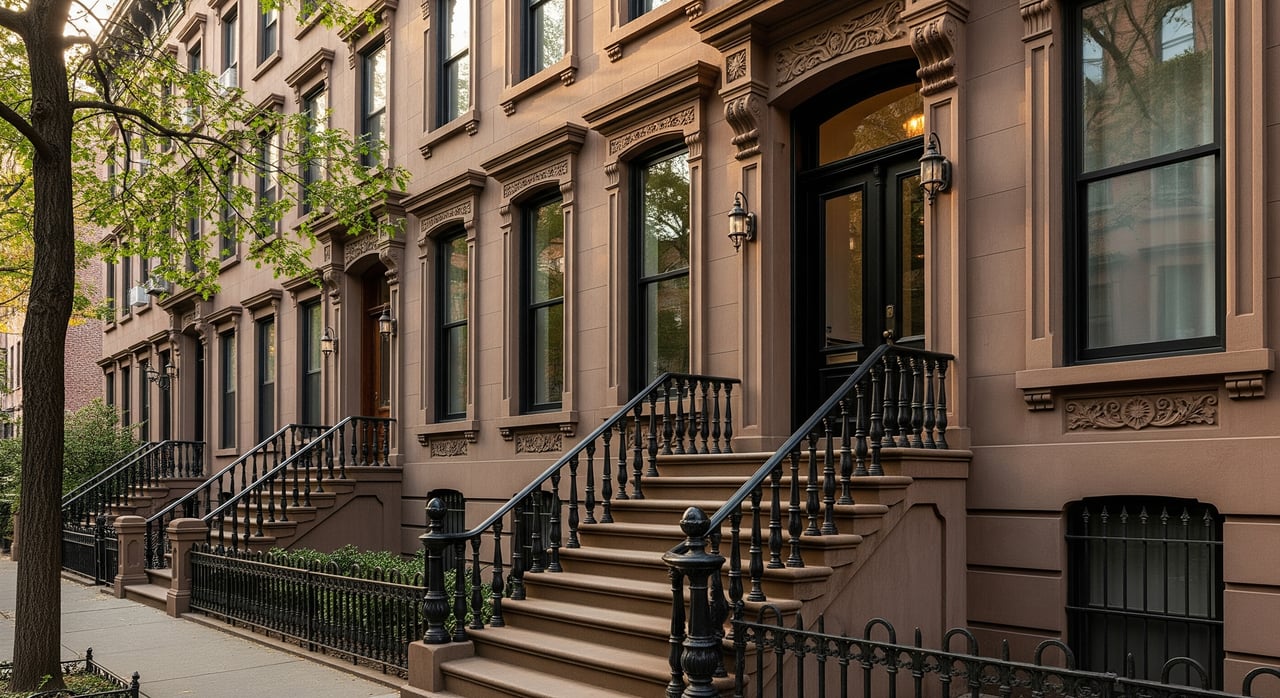
Your legal unit count, livable square footage, lot size, and bed/bath count shape your buyer pool and price. Condition and systems are major value drivers, especially roof, facade, plumbing, electrical, and heating. Architectural details and curb appeal are prized in Bed-Stuy, and a usable basement or finished garden level can add meaningful value when it is legal and well executed.
Location and micro-markets
Not all Bed-Stuy blocks trade the same. Values shift with proximity to major corridors like Fulton Street and Bedford Avenue, nearby parks and amenities, and access to subway lines. Historic district status can increase appeal while adding complexity to exterior changes. Always analyze on a block-by-block level before comparing sales.
Legal and regulatory factors
Zoning can influence expansion potential and future use. Open permits or violations can reduce the buyer pool and slow financing. Property tax class and assessed value trends also affect long-term ownership costs and should be understood early.
Sentiment and liquidity
Inventory levels, buyer profiles, and financing conditions influence negotiations. In tighter markets, sharp presentation and pricing can trigger multiple offers. In slower markets, concessions and time-on-market increase.
Your data toolkit for pricing
Use this short list of authoritative NYC sources to verify facts before you set a price:
- Confirm recorded sale prices and dates with the NYC Department of Finance rolling sales data.
- Cross-check deeds and conveyances in ACRIS.
- Review permits, job filings, and certificates of occupancy in the NYC Department of Buildings system.
- Check for outstanding housing violations through NYC HPD violations search.
- Confirm landmark or historic district status with the NYC Landmarks Preservation Commission map.
- Validate zoning and build potential on the city’s ZoLa zoning and land-use map.
- Note transit access and commute options using the MTA trip planner.
These sources form a reliable baseline. Build your pricing story around them and only then layer in listing platforms for photos and current market color.
Step-by-step Bed-Stuy CMA workflow
1) Define the subject property
Document the core facts first: legal unit count, gross interior square footage, lot size, bed/bath count, basement status, build year, overall condition, mechanical systems, and any landmark status. Capture the block and lot and note micro-location features like subway proximity and street character.
2) Pull the right comps
Start with the past 6 to 12 months on the same block or within roughly a quarter mile. Match legal configuration first: compare single-family to single-family and two-family to two-family. If inventory is thin, extend to 12 to 24 months and plan to adjust for time and location differences.
3) Normalize for size and layout
Compute price per gross square foot and, when helpful, price per room. Aim for sales within plus or minus 15 to 20 percent of your subject’s size. This helps you filter noise and focus on true peers.
4) Make systematic adjustments
Adjust for material differences using data from your comp set:
- Bedrooms and bathrooms. Add or subtract based on typical differentials observed locally.
- Condition and systems. Deduct for needed structural, roof, or major mechanical work. Increase for recent high-quality renovations.
- Lot size and outdoor space. Larger lots, gardens, or roof decks can command a premium.
- Legal basement or additional units. If a rental unit is legal, consider the income approach alongside the sales approach.
- Historic district factors. Balance curb appeal premiums against potential renovation constraints.
5) Reconcile to a pricing band
After adjustments, you should see a tight cluster for price per square foot and total price. Convert that into a suggested list price range and a pricing strategy that fits your goals and timeline.
When the income approach matters
If the townhouse is configured for rental income or is a multi-unit property, layer in investor metrics:
- Gross Rent Multiplier: price divided by annual gross rent. Compare to recent investor-oriented sales to gauge reasonableness.
- Capitalization Rate: net operating income divided by price. Cross-check against similar multi-family assets nearby.
For an owner-occupied townhouse with ancillary rental income, keep the sales comparison as your primary method and use income as a secondary lens.
On-site checks that move price
Before finalizing a price, verify the on-the-ground condition:
- Structure and envelope. Look for settling, wall bulges, sagging floors, roof age, and water intrusion.
- Basement and cellar. Confirm moisture history, ceiling heights, egress, and legal occupancy.
- Systems. Note age and capacity of electrical service, heating, hot water, and plumbing; flag outdated or unsafe materials.
- Facade and windows. Assess brownstone condition, stoop, and window performance.
- Signs of unpermitted work. Separate meters, added doors, or makeshift kitchens can signal illegal conversions.
Then confirm paperwork aligns with what you saw using the DOB database and HPD violations search. Clear, documented condition reduces surprise price cuts during buyer due diligence.
Pricing strategy and launch plan
- Market-value listing. Price in the center of your adjusted range to attract a broad set of qualified buyers.
- Slightly under market. Consider this when inventory is tight and the home shows well. It can create urgency.
- Premium pricing with presentation. If the home has standout features or a high-quality renovation, pair a premium price with best-in-class staging, photography, and disclosure.
Strong marketing supports any strategy. Document permitted renovations, recent system upgrades, and energy improvements. Disclose any open items honestly and show your plan to resolve them.
Quick example: a 60-minute mini-CMA
Use this when you need a fast, defensible view:
- Pull 5 to 8 nearby townhouse sales from the last 6 to 12 months in Bed-Stuy that match your unit count and size window. Verify prices in the DOF rolling sales and deeds in ACRIS.
- Compute price per square foot and sort by proximity, size, and close date. Remove outliers that differ materially in condition or layout.
- Adjust for beds/baths, condition, and outdoor space using notes from listing materials and your on-site knowledge.
- Check legal status, permits, and any violations in the DOB system and HPD search. Deduct realistic remediation costs if needed.
- Confirm landmark status in the LPC map and zoning in ZoLa. Note any expansion potential or constraints.
- Reconcile an adjusted range and pick a launch strategy based on timing, presentation, and market depth.
Common pitfalls to avoid
- Mixing single-family and two-family comps without adjustments.
- Ignoring basement legality or overvaluing unpermitted space.
- Skipping permit and violation checks until you are in contract.
- Over-relying on old comps without time or location adjustments.
- Pricing solely on price per square foot without whole-property context.
A clear, data-backed process builds credibility with buyers and appraisers and protects your net proceeds.
Ready to price with confidence and launch with polished marketing? We pair street-level Bed-Stuy knowledge with verified NYC data and professional presentation to help you maximize value. If you want a tailored pricing analysis and a clear plan to market your townhouse, connect with Justin Martinez today.
FAQs
How should I choose comps for a Bed-Stuy townhouse?
- Match legal unit count, stay within a 6 to 12 month window when possible, keep size within plus or minus 15 to 20 percent, and prioritize nearby blocks with similar street character and transit access.
What NYC records confirm a townhouse’s legal status?
- Use the NYC Department of Buildings system for job filings and certificates of occupancy, and confirm deeds or changes of ownership in ACRIS.
How do historic districts affect pricing and renovations?
- Historic designation can increase appeal and preserve block character, but exterior work often requires approvals; verify status in the LPC map and plan timelines and costs accordingly.
When does the income approach matter for Bed-Stuy townhouses?
- Use GRM and cap rate benchmarks when the property has legal rental units or is investor-oriented; for owner-occupied homes with ancillary income, keep sales comps primary and income secondary.
What should I check before setting my list price?
- Confirm recent verified sales, permits and violations, zoning and landmark status, transit access, and on-site condition of structure and systems; then reconcile to an adjusted price range.
Which NYC sources should I trust most for sale verification?
- Treat the DOF rolling sales data as your base for recorded prices and dates, and cross-check deeds and parties in ACRIS.