Is your Park Slope brownstone getting attention online but light on serious offers? You are not alone. Buyers love the charm and outdoor space here, yet they still compare every home on flow, light, and how “move-in” it feels. With the right staging plan, you can spotlight period details, resolve layout concerns, and help buyers picture daily life from stoop to garden. In this guide, you will learn proven, Park Slope–specific strategies that make brownstones show their best and sell with confidence. Let’s dive in.
Why staging matters in Park Slope
Brownstones in Park Slope have character that condos cannot match. Tall ceilings, parlor-floor layouts, mantels, and rear gardens are major assets. Still, long rooms, narrow stairs, and variable natural light can make spaces feel tricky without a plan. Staging brings out what buyers value while reducing objections that slow offers.
You want to highlight preserved architectural details, show modern function, and create a sense of flow across multiple levels. When you do, your photos look stronger, buyers stay longer at showings, and the home competes well with renovated townhouses and newer product across Brooklyn.
Core goals for brownstone staging
- Maximize perceived space and circulation in long, narrow rooms.
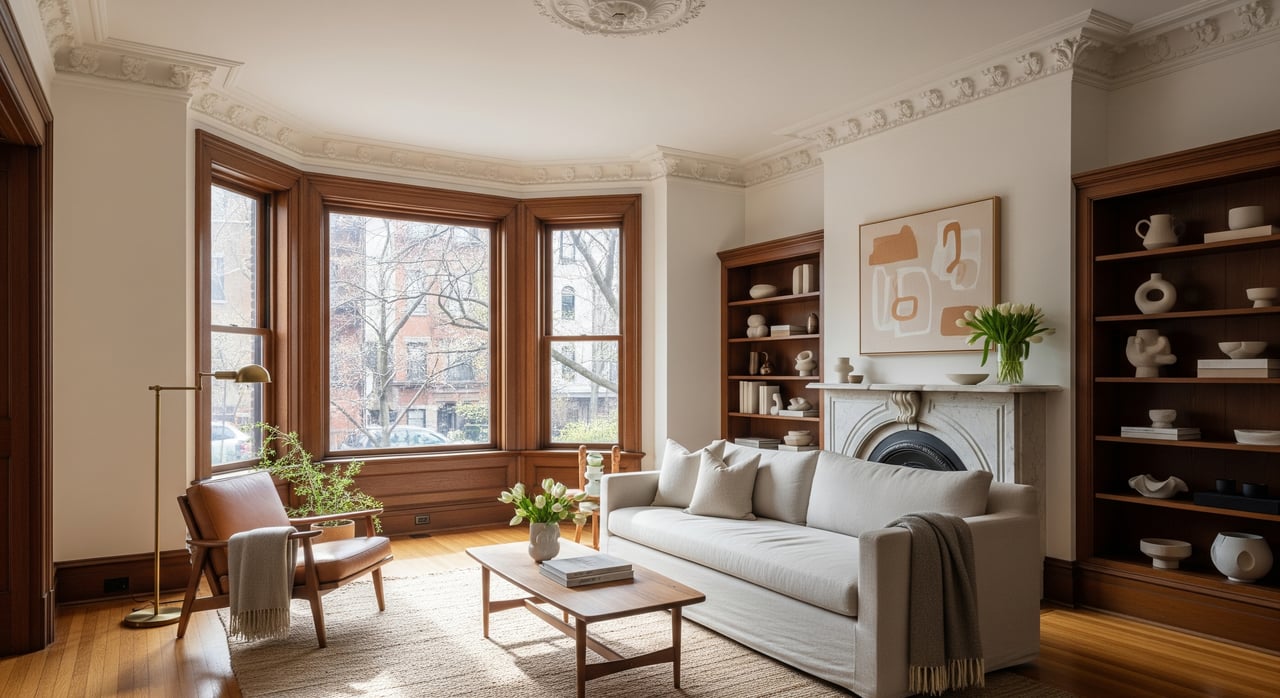
- Showcase original features such as moldings, mantels, stair rails, and floors.
- Demonstrate contemporary living: home office zones, family rooms, and outdoor dining.
- Reduce common objections about dated kitchens, dark rear rooms, and basement limitations.
Room-by-room strategies
Street and stoop curb appeal
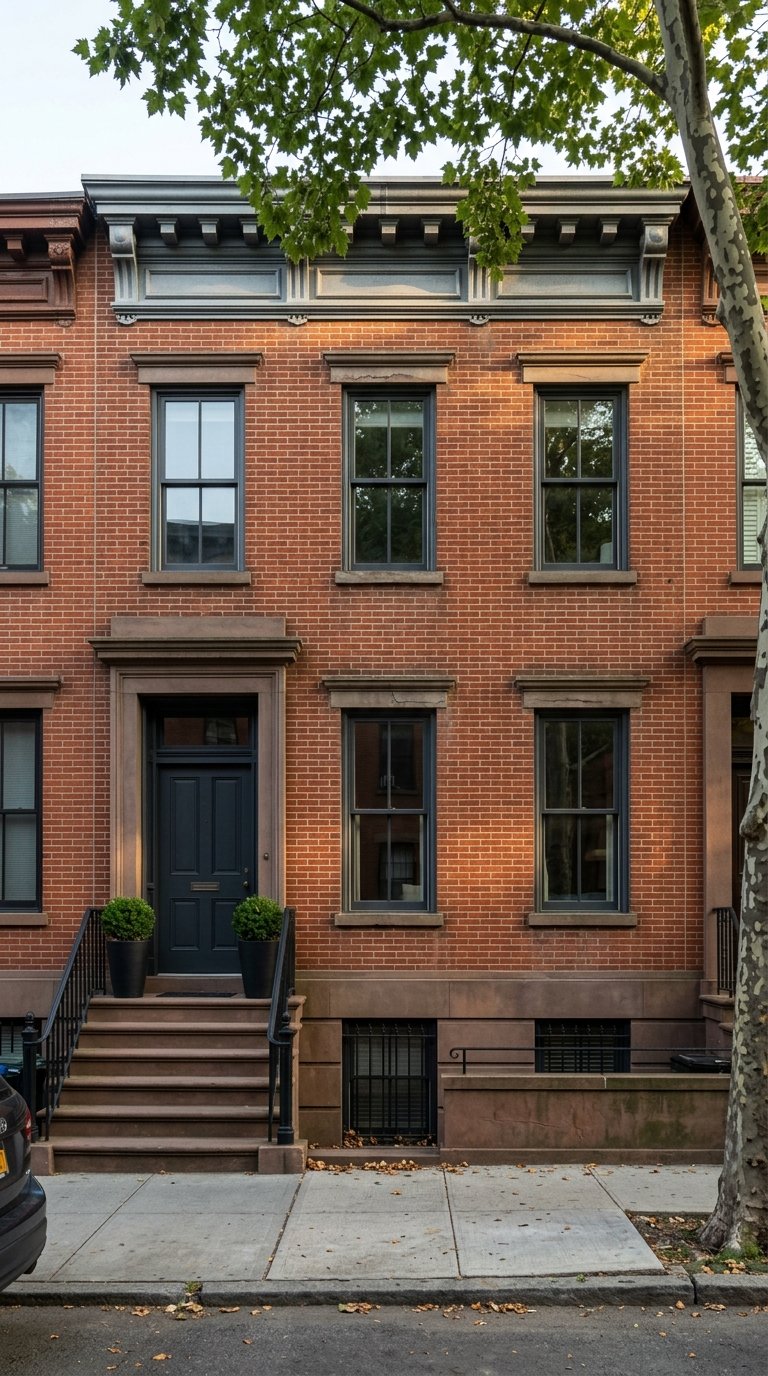
First impressions start at the sidewalk. Keep the stoop swept, banisters clean, and entry well lit for photos and twilight showings. Use simple, portable planters with seasonal greenery and keep door hardware polished. If you want to refresh house numbers or door finishes, verify historic-district rules before making permanent changes.
Parlor floor living
The parlor level should read as gracious and functional. Arrange a conversational seating group that leaves a clear path from the stoop entry toward dining and kitchen spaces. Keep mantel styling minimal so original stone or tile is the star. Layer lighting with floor and table lamps to balance deep-room light.
Dining and kitchen flow
Buyers value a dedicated dining area, whether formal or part of an open plan. Stage a table that communicates real capacity without crowding walkways. If your kitchen opens to the dining area or garden, create a visual pathway that connects these spaces so buyers can picture daily meals and entertaining.
Kitchens that win buyers
- Updated kitchens: Keep counters nearly bare, add fresh fruit or a small plant, and show generous work space. Repair minor issues and replace tired textiles.
- Dated kitchens: Consider modest, reversible updates such as painted cabinets or new hardware if time allows. If not, focus on spotless presentation, bright lighting, and organized storage. Show the relationship to the dining room and the garden to shift attention to lifestyle value.
Lower levels and basements
Garden floors and basements can tip a decision when staged well. Present these as family rooms, guest areas, or offices, and be upfront about ceiling heights and natural light. If there is no legal egress, avoid presenting a basement as a bedroom. Keep these spaces dry and odor-free with a dehumidifier and thorough cleaning.
Bedrooms and baths
Bedrooms should feel calm and roomy. Use neutral bedding, clear walkways, and minimal furniture to show scale. If closets are shallow, stage tasteful storage solutions without overcrowding. In bathrooms, deep clean, recaulk, and replace worn mirrors or hardware. Bright, even lighting matters more than décor in photos.
Outdoor spaces
Outdoor space is a Park Slope differentiator. Treat the garden or roof deck like an additional room by staging seating, dining, and simple planters. Emphasize privacy, sight lines to greenery, and easy access from indoor living spaces. Confirm building rules for roof access and open houses.
Attics and flex areas
If the attic is accessible and dry, present it as flexible storage or a potential office/play space without overselling it as a finished room. Be transparent about headroom and code limitations.
Style choices that photograph well
- Keep walls in pale, neutral tones that warm up on camera and in person.
- Scale furniture to ceiling height and room width. Tall ceilings can handle larger art and a few substantial pieces, while narrow rooms need streamlined, multi-use items.
- Maximize natural light with minimal window treatments. If privacy is needed, use light-filtering shades.
- Define zones with rugs to guide buyers through long rooms and protect original floors during showings.
Logistics, budget, and ROI
Vacant vs. occupied
Occupied homes benefit from targeted decluttering, deep cleaning, and a few strategic rental pieces such as a dining set, accent chairs, or art. Vacant brownstones almost always show better with full or partial furnishings so buyers understand scale and flow on each level.
Timeline to launch
Create a realistic schedule so you do not rush photos or first showings:
- Consultation and plan: 1 to 2 weeks
- Furniture selection and delivery: 1 to 3 weeks
- Cleaning, paint, and minor repairs: 1 to 2 weeks
- Photography and floor plan: 1 day, plus edits
- Final touchups before listing: a few days
Coordinate with owners or tenants for access and confirm any building or board rules for open houses and signage.
Photography and tours
Professional photography is essential. Capture the parlor height from corner angles, garden and roof deck vignettes, and twilight exteriors. Provide a clear floor plan and, if helpful, a virtual tour so buyers understand the multi-level layout. In New York City, use licensed operators for any aerial imagery and follow local restrictions.
Budgeting and vendors
Plan for consultation, furniture rental, cleaning, paint and repairs, stoop planters, and professional media. Work with stagers and photographers who know Brooklyn brownstones so scale and period-appropriate pieces feel natural. Review portfolios for Park Slope examples before you commit.
Industry research indicates staging can reduce days on market and improve perceived value. Exact returns vary by condition and buyer pool, but in high-demand neighborhoods, presenting outdoor space, architectural details, and modern functionality together can strongly influence offers.
Common buyer objections we solve
- “The kitchen feels small.” Stage efficient storage, clear counters, and show the connection to dining and outdoor entertaining. If appropriate, prepare a modest, time-bound refresh plan with costs to help buyers see potential.
- “Rear rooms feel dark.” Use lighter paint, reflective mirrors, and layered lamps to brighten depth. Keep window treatments minimal.
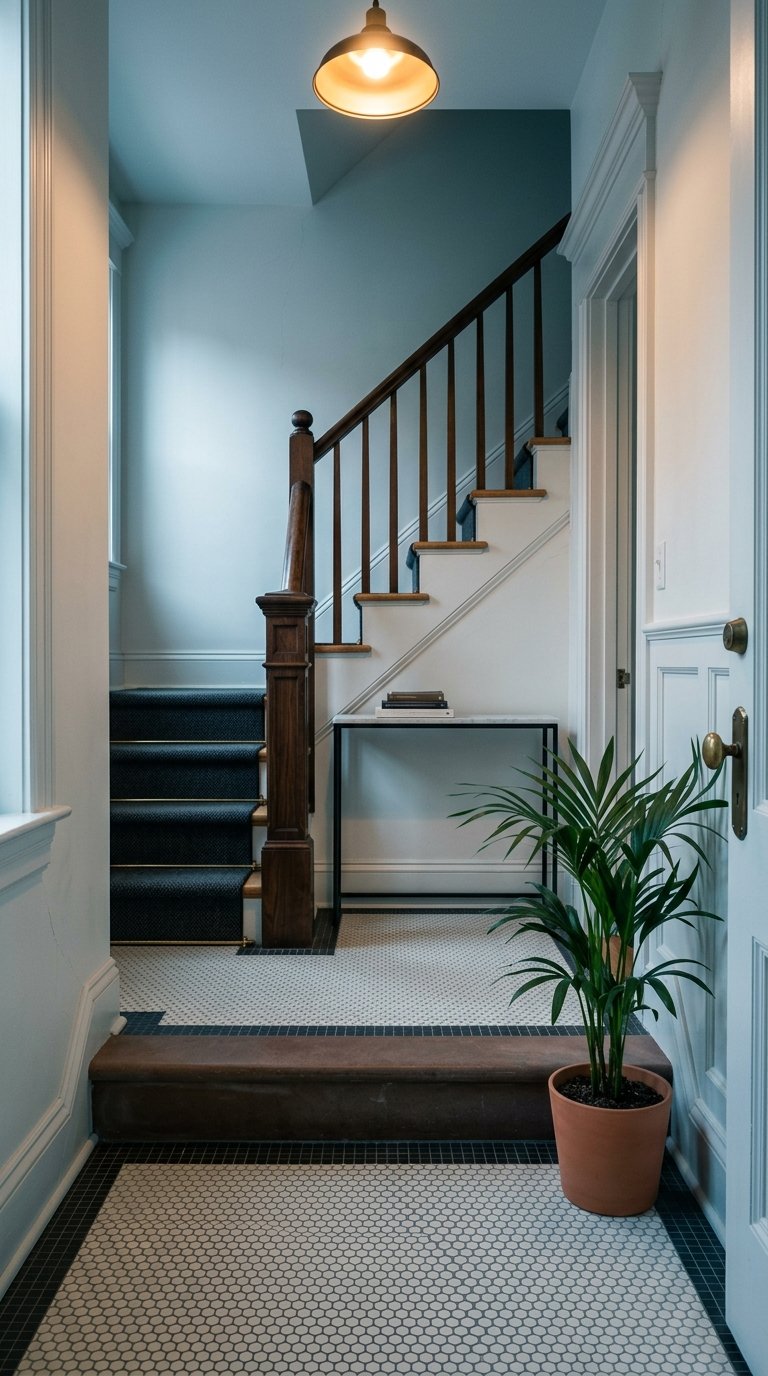
- “Stairs are narrow.” Clear stairwells and stage adjacent rooms with modest pieces to keep circulation obvious.
- “Basement bedrooms?” If there is no legal egress, present as a rec room, office, or storage and explain code constraints clearly.
Compliance and historic-district notes
Many Park Slope blocks fall within designated historic districts. Interior staging is typically unrestricted, but permanent exterior changes can require review. Keep curb appeal updates portable and reversible unless you have written approvals. For any planned exterior work, check requirements with the appropriate city agencies before you start.
Quick pre-listing checklist
- Declutter, depersonalize, and deep clean every level.
- Patch, paint in neutral tones, and address obvious repairs.
- Stoop: sweep, add simple planters, and brighten entry lighting.
- Parlor: define seating, highlight mantels and moldings, and layer lighting.
- Dining: stage a table with clear walkways and scale that suits the room.
- Kitchen: spotless surfaces, minimal décor, and functioning fixtures.
- Bedrooms: neutral bedding, minimal furniture, and clear closet space.
- Baths: recaulk, refresh textiles and mirrors, and ensure bright lighting.
- Lower levels: present as office, family room, or storage; stay transparent about egress.
- Outdoor areas: stage seating and dining, and show privacy.
- Marketing: professional photos, accurate floor plan, and clear room labels.
Ready to position your Park Slope brownstone for a standout launch? We can coordinate a complete plan, from consult and staging to photography and polished marketing, so you hit the market with confidence. To get started, connect with Justin Martinez today.
FAQs
How long does staging a Park Slope brownstone typically take?
- Most projects run 3 to 6 weeks from consultation through photos, depending on scope, vendor lead times, and any paint or repair work.
What staging approach works best for occupied Park Slope homes?
- Targeted decluttering, deep cleaning, and a few rental pieces often deliver strong results without full-home furniture replacement.
How should I stage a dated brownstone kitchen to appeal to buyers?
- Keep it spotless, brighten lighting, show organized storage, and emphasize flow to dining and the garden; consider modest, reversible updates if timing allows.
Can I make exterior changes to my brownstone before listing in a historic district?
- Keep updates portable and reversible unless you have approvals; permanent facade or entry changes may require review, so verify rules before work begins.
What rooms should I prioritize for staging in Park Slope?
- Focus on the parlor level, dining-to-kitchen connection, primary bedroom, a functional lower-level space, and any garden or roof deck.
Do basements or garden levels count as bedrooms when staging?
- Only if they meet legal requirements such as egress; otherwise, present them as living, office, or recreation areas and stay transparent about limitations.