Buying your first place in Crown Heights can feel exciting and a little overwhelming. Prices across Brooklyn make saving for a down payment tough, and the process has extra steps if you’re looking at co-ops or multi-family homes. The good news: there are real, practical programs that can help you close the gap and move forward with confidence. In this guide, you’ll learn what types of assistance exist, how eligibility works, what to expect in Crown Heights, and a simple plan to get started. Let’s dive in.
What first-time programs cover
Down payment and closing help
Many first-time buyers use down payment and closing-cost assistance to reduce upfront cash at closing. These can be grants, forgivable loans, or low-interest second mortgages. City and state housing agencies, lenders, and nonprofits administer these programs. Amounts, rules, and funding windows change frequently, so plan to check current details directly with the administering agency.
Low down payment mortgages
You’ll also find low-down-payment mortgages that work well for first-time buyers. Examples include FHA loans, VA loans for eligible service members, and affordable conventional options from Fannie Mae and Freddie Mac. These products can pair with assistance in some cases, but not always. Your lender will confirm which combinations are allowed and how each affects your approval.
State and city programs
New York City and New York State both offer buyer supports targeted to first-time purchasers. City programs often include down payment or closing-cost assistance with set income and price limits. State programs through the housing agency provide mortgage products and assistance for owner-occupied homes with their own caps and rules. These programs usually require an approved homebuyer education course.
Education and counseling
Most assistance programs ask you to complete homebuyer education or counseling. You can take this through HUD-approved agencies or local nonprofits. The course gives you key basics on budgeting, mortgages, property condition, and closing steps. You’ll also receive a certificate that may be required for your program application.
Programs to check in NYC
NYC HPD and HDC options
The NYC Department of Housing Preservation and Development (HPD) and the NYC Housing Development Corporation (HDC) administer buyer assistance programs for city residents. Expect income and purchase-price limits that vary by borough, and an owner-occupancy requirement. Because funding and rules can change, confirm current eligibility, property types allowed, and whether co-ops are permitted before you apply.
New York State programs (SONYMA)
New York State’s housing agency offers mortgage products and down-payment assistance through its programs for first-time buyers. These loans are designed for owner-occupied principal residences and include income and purchase-price caps. The state will also require a homebuyer education course for most options.
Federal and lender products
FHA and VA loans are well-known federal options that can be helpful in urban markets like Brooklyn. In addition, Fannie Mae’s and Freddie Mac’s affordable conventional programs support low down payments and flexible underwriting for qualified buyers. Some local banks and credit unions offer their own first-time buyer grants or reduced closing-cost packages. Ask any lender you consider whether they regularly work with these programs in Brooklyn.
Nonprofit and community help
HUD-approved counseling agencies and local nonprofits provide pre-purchase counseling, credit coaching, and sometimes matched savings or small grants. Community development financial institutions may also offer specialty loans. These resources can be a good starting point if you want step-by-step coaching and a clear education path before applying for a mortgage.
Eligibility and documents
Who counts as a first-time buyer
Many programs define a first-time buyer as someone who has not owned a principal residence for a set period, often three years. Some programs make exceptions for purchases in specific targeted areas or for certain buyer profiles defined by the program. Always check the exact definition for the program you plan to use.
Income and price caps
Most assistance options have household income and purchase-price limits. These caps vary by program, household size, and location. Because Crown Heights is part of a high-cost market, price caps can be a factor when you compare eligible properties. Verify limits early so you’re shopping in the right price band.
Property and occupancy rules
Programs typically allow one- to four-family homes, condos, or co-ops, but not every program allows all property types. Some exclude investment properties or specific cooperative structures. Nearly all require owner-occupancy as your primary residence.
Paperwork you will need
Be prepared to document your finances and identity. Common requests include government-issued ID and Social Security numbers, W-2s and recent pay stubs, two years of federal tax returns, bank statements and asset documentation, and proof of any other income. You will also need your purchase contract and, when available, your closing disclosure. If your program requires education, include your certificate.
Restrictions to watch
Some assistance comes with recapture periods, which can require repayment if you sell or refinance within a set timeframe. Affordable-unit programs may include resale restrictions or special approval processes. Not all programs can be combined. Confirm any strings attached and how they affect future decisions before you rely on the funds.
Crown Heights property realities
Co-op vs condo
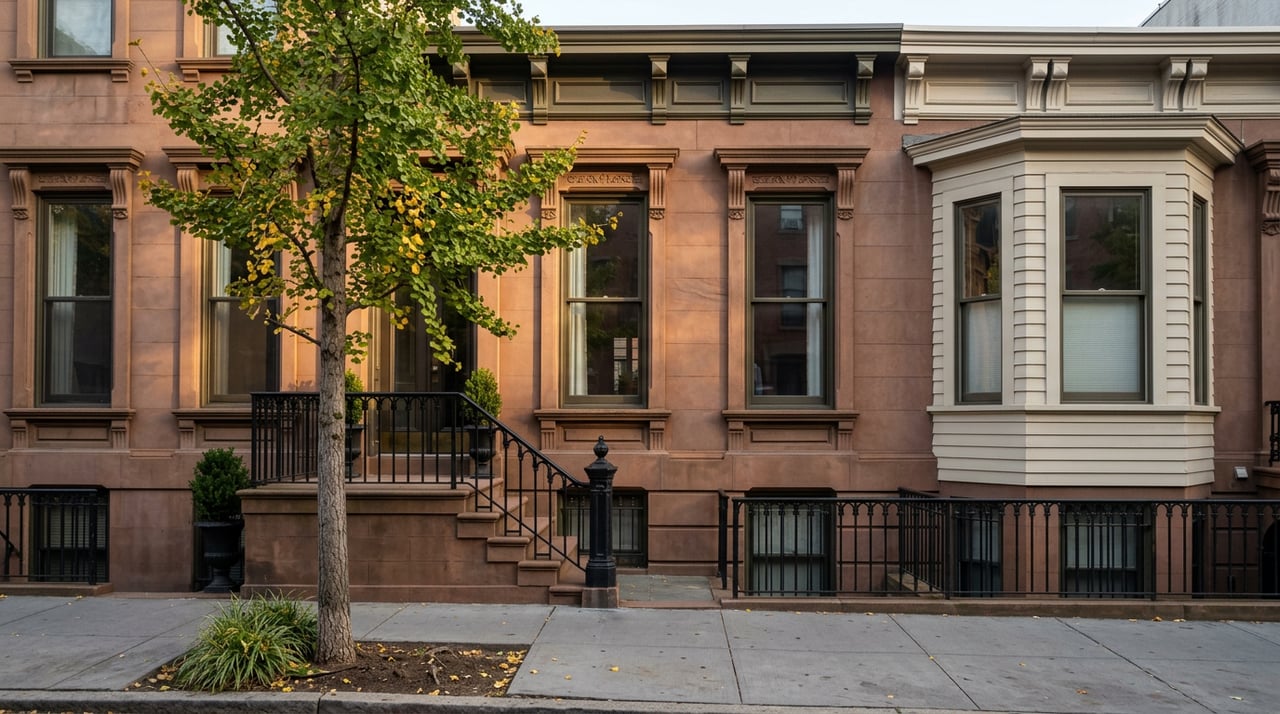
Crown Heights includes co-ops, condos, and classic brownstones. Co-ops work differently than condos. You buy shares in a corporation with a proprietary lease rather than a deed to a unit. Many co-ops require higher down payments and a board interview, and some programs treat co-ops differently or exclude certain cooperative structures. If you want a co-op, check that both your chosen program and your lender allow it.
Multi-family options
Two- and three-family houses are part of the neighborhood fabric. Some programs allow one- to four-family properties as long as you live in one unit as your primary residence. Others add underwriting steps or exclude multi-family homes. Clarify this detail upfront so your search stays aligned with your financing.
Condition and inspections
Older buildings are common in Brooklyn. Your lender and assistance program may require the property to meet certain standards. If repairs are needed, it can affect your loan approval or timing. Plan for a home inspection and leave room for any program or lender property checks.
Timing and board approvals
Co-op boards can add several weeks to your timeline due to application reviews and interviews. City or state assistance programs can also require separate approvals. Build these milestones into your planning, especially if a seller is pushing for a quick closing.
Your step-by-step plan
- Get educated
- Enroll in a HUD-approved homebuyer education class or counseling session. Many programs require this, and it will clarify budgets, mortgages, and next steps.
- Confirm program fit
- Review city and state options to understand income and price caps and whether co-ops, condos, or one- to four-family homes are eligible. Note any owner-occupancy requirements and restrictions.
- Choose the right lender
- Get pre-approved with a lender experienced in NYC transactions and in the specific assistance you plan to use. Ask how they coordinate with HPD, HDC, or state programs, and whether they have co-op expertise.
- Work with a local agent
- Partner with a Crown Heights-focused agent who understands co-op boards, condo associations, and brownstone inventory. They can help you target listings that match your program’s rules.
- Reserve funds early
- Some programs require you to apply and reserve funds before you sign a contract. Start applications in parallel with your mortgage to avoid delays.
- Plan inspections and repairs
- Schedule your home inspection and any program-required checks quickly. If repairs are needed to meet property standards, work with your attorney and agent to address them.
- Close with experienced counsel
- Use a real estate attorney who handles NYC closings and is familiar with program paperwork. This helps coordinate assistance funds that are disbursed at closing.
Timeline at a glance
- Homebuyer education: a few days to a couple of weeks, depending on format.
- Mortgage pre-approval: a few days with complete documents.
- Program approval: often several weeks due to separate underwriting and documentation.
- Co-op board process: several weeks in many Crown Heights co-ops.
- Overall contract to close: timelines vary, but assistance programs and co-op reviews can extend the process. Build in buffer time when you negotiate closing dates.
Questions to confirm before you apply
- What are the current income and purchase-price limits for your household size in Kings County?
- Does the program allow your property type: co-op, condo, or one- to four-family?
- Is assistance a grant, forgivable loan, or repayable second mortgage, and what is the recapture period?
- Are funds first-come, first-served or tied to a funding cycle?
- Which homebuyer education providers are approved, and when must you finish the course?
- Are there any resale or occupancy restrictions that could affect a future sale or refinance?
How to shop smart in Crown Heights
Start your search with realistic price bands based on program caps and your pre-approval. If you’re considering a co-op, request building financials and board application requirements early. For condos and multi-family homes, review building rules, projected monthly costs, and any upcoming work that might affect your budget. Your agent can help you compare monthly payments across property types once you factor in principal, interest, taxes, insurance, and maintenance or common charges.
Avoid common pitfalls
- Waiting to take the education course. Many programs will not move forward until this is complete.
- Assuming co-ops are always eligible. Confirm with your lender and the program administrator for the specific building type.
- Overlooking property condition. Older homes may need repairs to meet program or lender standards.
- Underestimating timelines. Add extra time for program approvals and, if applicable, co-op board reviews.
- Trying to stack too many programs. Some combinations are not allowed, and layering can slow your closing.
Ready to buy in Crown Heights?
With the right plan, first-time buyer programs can make a Crown Heights purchase more achievable. Focus on education, confirm eligibility early, and choose partners who routinely work with city and state programs. If you want help mapping out the right path for your budget and timeline, we’re here to guide you from pre-approval to keys in hand. Connect with Justin Martinez to start your plan.
FAQs
Can I use assistance on a Crown Heights co-op?
- It depends on the specific program and the co-op structure. Some programs allow co-ops, others restrict them or require additional steps. Confirm eligibility with both the program administrator and your lender.
How do income and price limits affect my search in Brooklyn?
- Most programs set household income and purchase-price caps that vary by borough and family size. Verify current limits first so you focus on listings that qualify and fit your budget.
Can I buy a two- or three-family home with assistance?
- Some programs allow one- to four-family homes if you live in one unit as your primary residence. Others add underwriting steps or exclude multi-family properties. Check rules before you tour.
Will assistance change my mortgage rate?
- Assistance usually affects down payment and closing costs, not the interest rate itself. Program guidelines and loan-to-value calculations can influence which mortgage products and rates are available to you.
How long does program approval take in NYC?
- Timelines vary, but separate program underwriting often adds several weeks. If you are buying a co-op, plan for additional time for board review.
Are these first-time buyer programs always available?
- Many programs are ongoing, but funding levels, income limits, and rules change. Confirm the latest details directly with the administering agency before you rely on assistance.