Wondering whether a Greenpoint condo or a classic walk-up is the better fit? You are not alone. In this part of Brooklyn, the choice is less about right versus wrong and more about how you want to live day to day, what monthly costs look like, and how much convenience or character matters to you. If you are trying to sort through the tradeoffs, this guide will help you compare both options clearly. Let’s dive in.
Greenpoint has both housing styles
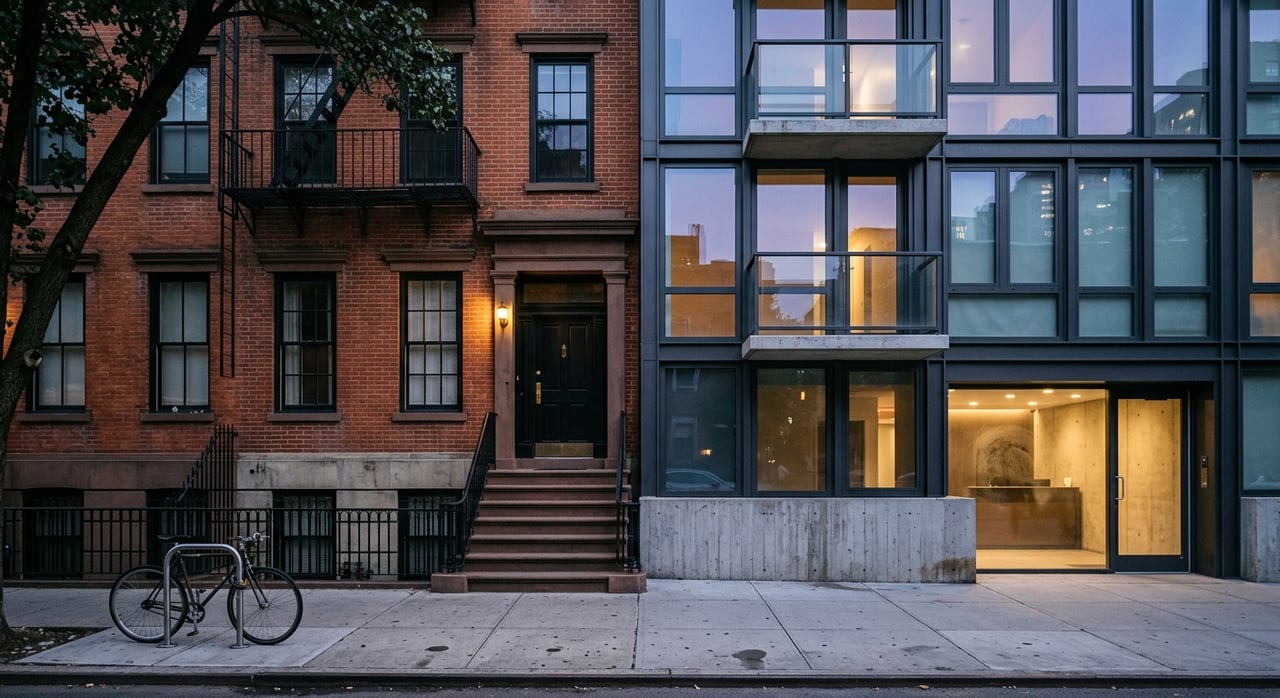
Greenpoint is not a one-format housing market. You can still find the low-rise fabric that has shaped the neighborhood for years, including three- and four-story walk-ups, brownstones, and smaller residential buildings. At the same time, the waterfront has added a very different housing experience through large-scale residential development.
That split is a big reason this comparison matters so much here. Greenpoint still offers a calm, slightly tucked-away feel, but it also has newer towers and amenity-focused buildings along the East River. In April 2026, reported median sale prices were in the $1.6 million to $1.7 million range, which tells you this is a premium market no matter which housing type you choose.
What newer condos usually offer
A newer condo in Greenpoint often means a more managed daily routine. In the neighborhood’s newer towers, especially on the waterfront, buyers may find features like elevators, concierge service, doormen, package handling, roof decks, fitness spaces, storage, and sometimes parking. That can make a big difference in how easy your everyday life feels.
For many buyers, the biggest condo advantage is convenience. If you carry groceries, receive frequent deliveries, use a stroller, or simply do not want to deal with stairs every day, a full-service or elevator building can reduce friction. That matters even more if you are thinking long term and want a home that feels easier to navigate over time.
In Greenpoint, newer condo living is often tied to the waterfront. That can mean proximity to the NYC Ferry landing at 10 India Street, East River views, and access to newer building infrastructure. It can also mean a different relationship to the neighborhood, where more of your lifestyle happens within the building itself.
Condo lifestyle in Greenpoint
The condo experience often centers on shared amenities and smoother logistics. Instead of managing stairs and limited storage, you may be choosing elevator access, shared outdoor space, and building staff. For some buyers, that trade feels absolutely worth it.
This is especially true if transit flexibility matters to you. Greenpoint is known for having limited subway coverage, with the G train as the neighborhood’s only subway line, so being near the ferry can be a meaningful perk. The fully accessible Greenpoint Avenue G station also adds an important option for buyers who prioritize easier station access.
What walk-ups usually offer
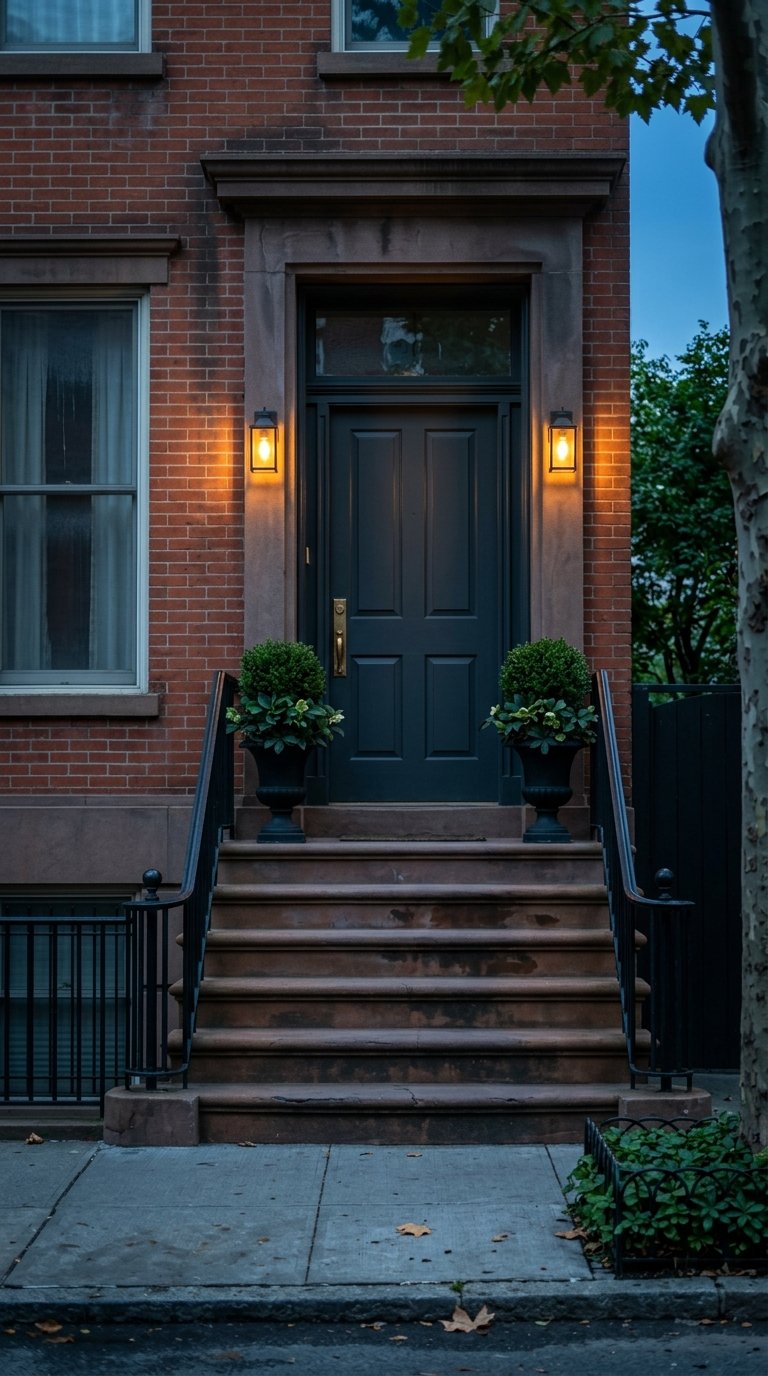
A Greenpoint walk-up usually delivers a smaller-scale living experience. You may give up building amenities, but you often gain a stronger sense of the block, the street, and the building itself. That can be appealing if you want a home that feels connected to the neighborhood rather than set apart from it.
Many buyers are drawn to walk-ups because of character. Older low-rise buildings often feel more rooted in Greenpoint’s historic street pattern, especially on interior blocks and side streets. If you picture yourself grabbing coffee on Manhattan Avenue, walking to nearby bakeries, or spending time in local parks, a walk-up may align more naturally with that lifestyle.
There is also a social and visual difference. Smaller buildings can feel more intimate, with fewer units and less of a full-service environment. If you prefer a lower-key setup and do not mind handling more of the practical realities yourself, that can be a strong plus.
Walk-up tradeoffs to know
The biggest walk-up tradeoff is straightforward: stairs. You should think honestly about how many flights you are willing to handle on a normal day, and how that might feel if you are carrying laundry, groceries, or a child. A charming top-floor apartment can feel very different after a long week.
You should also pay closer attention to the building’s condition. Older housing stock can come with more maintenance concerns, and neighborhood health data has shown past indicators like leaks and cracks or holes in some homes. That does not mean an older walk-up is a bad choice, but it does mean careful due diligence matters.
Monthly costs work differently
When buyers compare condos and walk-ups, they often focus on sale price first. In Greenpoint, that is only part of the story. The better question is how the monthly number is built.
For condos, property taxes are a direct part of ownership. In New York City, condos are taxed as Class 2 properties, and the tax rate for tax year 2026 is 12.439%. Condo owners should expect property taxes to be part of the ongoing monthly picture, along with common charges and mortgage costs if financing is involved.
For older walk-up ownership, the structure may be less straightforward. Some walk-up homes are condos, but others may be co-ops or similar ownership formats. In co-ops, the building receives the property tax bill, and that tax burden is typically passed through to unit owners as part of maintenance or common charges rather than billed directly to each owner.
Why the monthly breakdown matters
Two homes with similar asking prices can feel very different once you look at total monthly ownership costs. A newer condo may come with higher common charges because of staffing, amenities, and building operations. An older walk-up may look simpler, but the monthly picture can still vary depending on maintenance, tax structure, and building condition.
You should also ask whether the building applies for the co-op or condo tax abatement if the home will be your primary residence and the building is eligible. In New York City, this benefit is handled at the building level, not by an individual owner applying alone. That is an important detail to clarify early.
Location can tip the decision
In Greenpoint, your exact location can shape this choice as much as the apartment itself. Waterfront condos tend to emphasize views, building services, and proximity to the ferry. Interior blocks and lower-rise streets often lean more toward classic neighborhood texture and older housing stock.
Parks matter too. McCarren Park offers 35 acres of open space, and WNYC Transmitter Park adds waterfront access, a pier, and skyline views. If being near green space is part of your daily routine, it is worth comparing how each home connects you to the parks you will actually use.
Retail and transit also deserve a close look. Since subway access in Greenpoint is relatively limited, walking distance to the G train or ferry can have a real impact on how convenient a home feels. In a neighborhood like this, a ten-minute difference in your daily route can change your quality of life more than a flashy feature list.
How to decide what fits you
The easiest way to choose is to focus on how you live, not just how a listing looks online. A condo is often the better fit if you want elevator access, easier package handling, and a building that takes some of the daily burden off your plate. A walk-up may be the better fit if you care more about character, scale, and feeling woven into Greenpoint’s older streets.
Ask yourself practical questions before you fall in love with either option:
- How much of the monthly cost comes from taxes, common charges, or maintenance?
- Do you want elevator access every day, or are stairs fine?
- How important are amenities like roof space, a gym, storage, or building staff?
- Would you rather live near the waterfront and ferry, or on a quieter low-rise block?
- If you are considering an older building, have the roof, facade, plumbing, and moisture conditions been checked carefully?
These questions help you compare homes in a way that is grounded in real life. In Greenpoint, both product types can be excellent choices. The right answer usually comes down to whether you value convenience first or neighborhood texture first.
Our take on Greenpoint buyers
We often find that first-time and move-up buyers in Brooklyn benefit from seeing both categories in person before making assumptions. A newer condo can surprise you with how much easier daily life feels. A walk-up can surprise you with how connected and personal home can feel on the right block.
Greenpoint makes that contrast especially clear because the neighborhood contains both its historic low-rise identity and its newer waterfront growth. If you compare them thoughtfully, you can make a choice that fits your budget, your routine, and the version of Greenpoint you want to come home to.
If you are weighing condos against walk-ups in Greenpoint, the right guidance can save you time and help you focus on the homes that truly fit. The Martinez Irizarry Team can help you compare options, understand monthly costs, and navigate the buying process with clear, local insight.
FAQs
What is the main difference between Greenpoint condos and walk-ups?
- In Greenpoint, newer condos usually offer elevators, building services, and amenities, while walk-ups usually offer a smaller-scale building experience, more stairs, and a closer connection to the neighborhood street life.
Are Greenpoint condos usually on the waterfront?
- Many of Greenpoint’s newer condo developments are concentrated on the waterfront, where larger residential buildings grew after the neighborhood’s rezoning and redevelopment.
Are walk-ups common in Greenpoint?
- Yes. Greenpoint has long been known for low-rise housing, including brownstones, row houses, and three- to four-story walk-up buildings.
How do monthly costs differ between Greenpoint condos and walk-ups?
- Condo owners typically pay property taxes directly along with common charges, while some older walk-up ownership structures, especially co-ops, may include the tax burden within maintenance or common charges.
What should you inspect in an older Greenpoint walk-up?
- You should pay close attention to the roof, facade, plumbing, moisture conditions, and other building systems before moving forward with an older walk-up purchase.
Is transit different depending on where you buy in Greenpoint?
- Yes. In Greenpoint, convenience can vary based on proximity to the G train, the fully accessible Greenpoint Avenue station, and the NYC Ferry landing at India Street.
Which Greenpoint home type is better for long-term ease?
- A newer condo is often better for long-term ease if you value elevator access, a more managed building experience, and lower-friction daily routines.