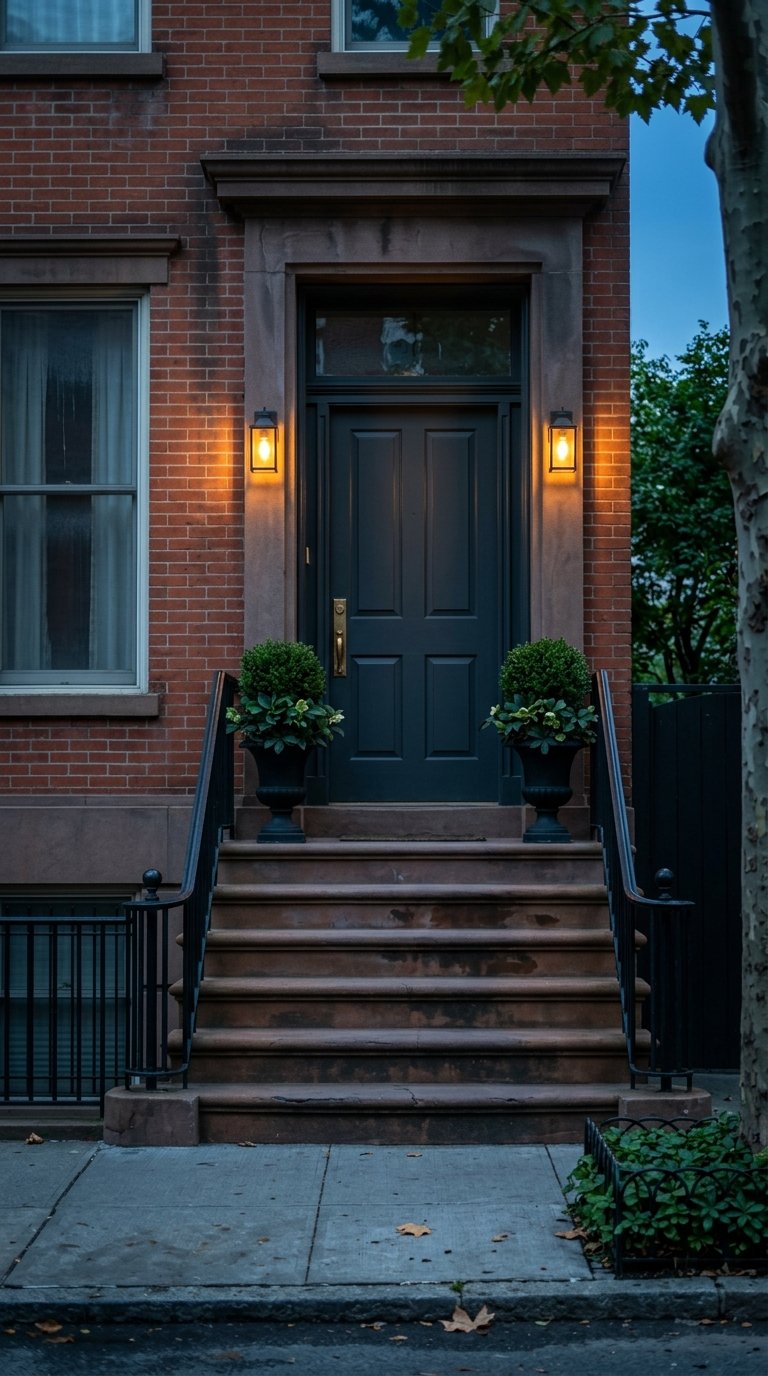
If you are thinking about selling a Cobble Hill brownstone, you are not just listing square footage. You are positioning a rare home in one of Brooklyn’s most expensive and most closely watched townhouse markets. In a neighborhood with low turnover, selective buyers, and landmarked streets, the right strategy can shape how quickly your home gains traction and how confidently buyers respond. Here is how to think about pricing, presentation, and pre-sale decisions in today’s market. Let’s dive in.
Cobble Hill market conditions now
Cobble Hill remains a high-price, low-turnover market. StreetEasy currently shows a median sale price of $2.5 million and a median 54 days on market for sales in the neighborhood. Zillow reported 19 homes for sale, 7 new listings, and a median list price of $2,165,667 as of April 30, 2026.
That local snapshot matters even more when you place it in the broader Brooklyn context. Corcoran’s first quarter 2026 Brooklyn report says signed contracts fell 14% year over year, days on market averaged 87 days, and active listings rose 12%. At the same time, well-priced listings were still attracting attention, which is a useful reminder that buyers are active, but more selective.
For brownstone sellers, the takeaway is simple. Scarcity still helps you, but scarcity alone is not the whole story. In today’s market, your home needs a clear pricing strategy and a presentation plan that makes buyers feel the value quickly.
Why Cobble Hill brownstones stand out
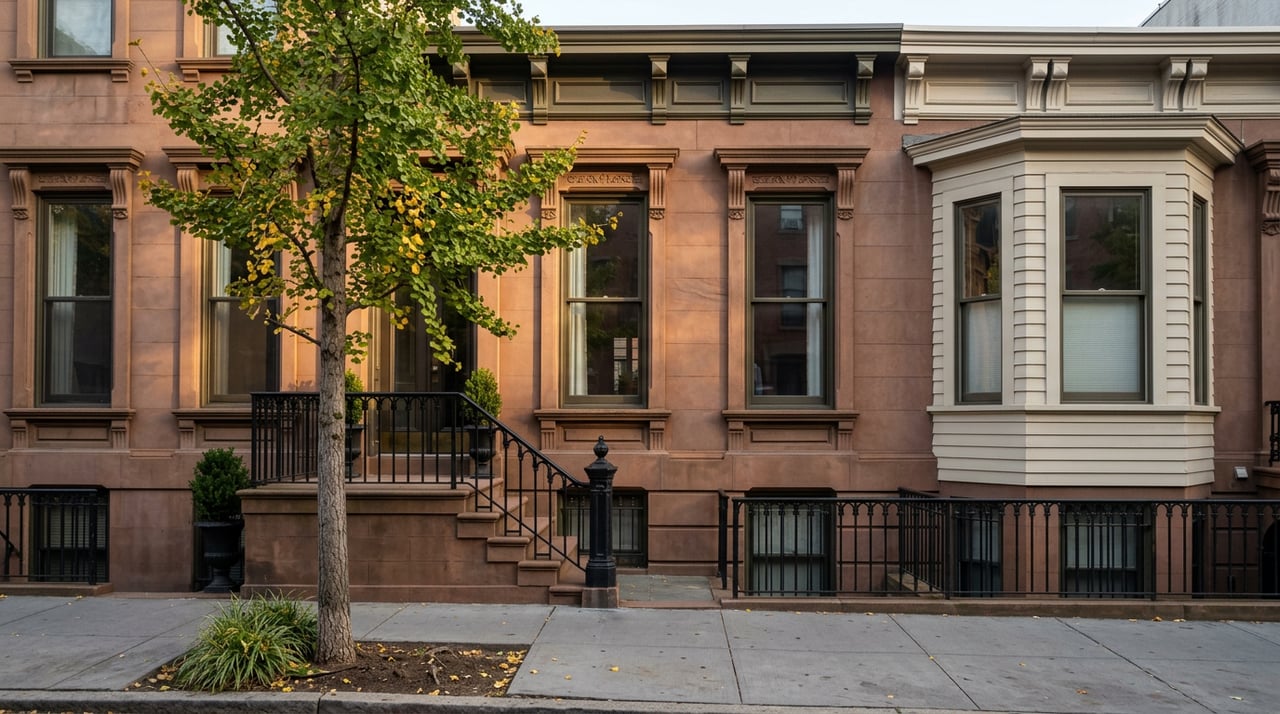
Cobble Hill has a distinct identity that buyers recognize right away. The neighborhood is known for elegant brownstones, quiet blocks, Court Street retail, and a preserved nineteenth-century feel. The historic district designation, first established in 1969 and extended in 1988, has helped protect that low-scale streetscape.
That setting shapes buyer expectations. People shopping for a brownstone here are often drawn to authenticity, proportion, and livability, not just flashy finishes. StreetEasy also notes that Cobble Hill’s housing stock includes converted schoolhouses, carriage houses, and churches, and that many townhouses are smaller and simpler than the more ornate Victorians found in some other Brooklyn neighborhoods.
This matters when you position your home. A successful listing story is usually less about excess and more about what daily life feels like in the house. Buyers want to understand the layout, the light, the scale of the rooms, and how the home fits the neighborhood around it.
Price for the market you have
In a slower borough-wide market, overpricing can cost you momentum. Even in a neighborhood with limited inventory, buyers compare your brownstone against the homes currently available and the value they believe each one offers. If your pricing asks them to overlook condition, layout, or needed work, you may lose the early window when interest is strongest.
StreetEasy notes that renovated townhouses in Cobble Hill often ask upward of $3 million. That does not mean every brownstone should chase that number. The better question is where your home fits on the move-in ready to value-add spectrum, and whether the asking price supports that story.
This is where agent guidance matters. In a market with low turnover and high expectations, pricing is not just about size and recent comps. It is also about how your home compares to the current inventory buyers are actually touring right now.
Lead with presentation first
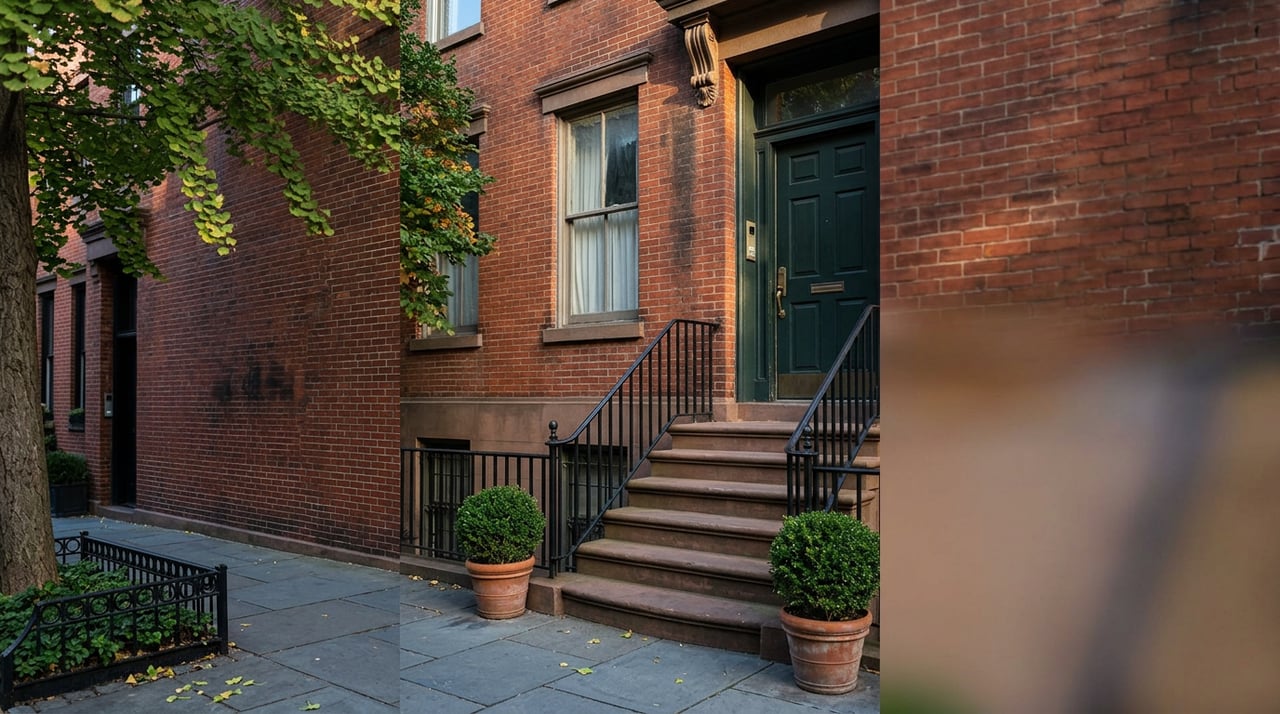
Before you jump into major renovation plans, focus on the basics that shape first impressions. For most Cobble Hill sellers, the strongest pre-listing sequence is to improve the facade and stoop where appropriate, declutter the interior, stage key rooms, and then decide whether any larger projects truly add value.
That order makes sense for this market. Buyers often respond first to the feeling of the block, the exterior approach, and the way the home lives room to room. If the house already has strong bones, a thoughtful refresh can often do more than an expensive overhaul.
National staging data supports that approach. In the 2025 Profile of Home Staging, 83% of buyers’ agents said staging makes it easier for buyers to visualize a property as their future home. The same report found that living rooms, primary bedrooms, and dining rooms were among the most commonly staged spaces, and 29% of sellers’ agents said staging increased the dollar value offered by 1% to 10%.
Focus on the rooms that carry the story
Brownstones sell through experience as much as specs. Buyers want to understand circulation, room scale, and everyday comfort within a vertical home. That is why the most important rooms are usually the ones that help them picture daily life immediately.
If you are deciding where to spend time and money, start with spaces that frame the home’s function clearly:
- Living room
- Primary bedroom
- Kitchen
- Dining area
- Entry sequence and stair halls
These areas do a lot of work in a brownstone listing. They help buyers see how the home flows, where they would gather, and whether the scale feels easy to live in. A clean, edited presentation can make that story much easier to understand.
Do not confuse bigger with better
Many Cobble Hill buyers care deeply about function. National buyer research found that 35% of buyers would accept a smaller home for a better price, and that buyers were especially willing to compromise on space for features like a home office or dining room. In other words, usable space can matter more than raw square footage alone.
That is helpful for townhouse sellers in Cobble Hill, where homes may not always compete on size alone. If your brownstone has smart storage, a flexible garden level, a practical work-from-home nook, or a layout that supports daily routines, those features deserve a clear place in the listing strategy. Buyers often reward homes that feel easy to live in.
Make outdoor space part of the home
In a brownstone market, outdoor space should not be treated like a side note. It should be presented as part of the home’s livable footprint. A garden, patio, deck, or planted rear yard can help buyers imagine entertaining, relaxing, dining, or simply having more breathing room.
That framing is supported by current housing research. NAR’s 2025 outdoor-features report says 97% of real estate professionals believe curb appeal is important for attracting a buyer, and 92% advise sellers to improve curb appeal before listing. For a Cobble Hill brownstone, curb appeal starts at the facade and stoop, but it should continue through the rear outdoor space as well.
If your exterior areas are usable, show that clearly. Clean lines, simple plantings, and purposeful furniture can help buyers see those spaces as extensions of the house, not leftover square footage.
Renovate only when it solves a problem
Not every brownstone needs a major pre-sale renovation. In many cases, the better move is a light refresh that improves presentation without erasing character. A full renovation tends to be most compelling when it solves a clear buyer pain point, such as poor layout, limited storage, weak lighting, or underused outdoor space.
That distinction is especially important in Cobble Hill. Buyers here are often paying for architectural identity and historic character as much as they are paying for finishes. If you remove too much of what makes the house feel authentic, you may weaken the very qualities that set it apart.
Ask a practical question before committing to major work: will this project make the home easier to understand, easier to live in, or easier to compare favorably with current competition? If the answer is no, it may not be the right pre-sale investment.
Plan early for landmark rules
Cobble Hill’s historic district status affects how exterior work gets done. According to the New York City Landmarks Preservation Commission, exterior restoration, alteration, reconstruction, demolition, or new construction affecting a building in a historic district requires LPC review, even if the work is not visible from the street. At the same time, ordinary repairs like replacing broken glass, repainting the exterior to match the existing color, and caulking around windows and doors do not require a permit.
For sellers, timing matters. If you are considering window replacements, facade changes, stoop work, or other exterior upgrades, do not assume they can happen quickly. The approval path should be clear before those projects become part of your listing plan.
There is also a positive side to this. The same landmark protections that can shape renovation timing also help preserve the historic streetscape that many Cobble Hill buyers want in the first place. That preservation is part of the neighborhood’s long-term appeal.
Build a marketing story buyers remember
In a market like Cobble Hill, strong marketing is not about saying more. It is about saying the right things clearly and backing them up with presentation. The most effective listing narrative usually combines scarcity, authenticity, and livability.
That can mean highlighting points like these:
- A historic Cobble Hill brownstone in a low-turnover market
- A layout that feels functional and comfortable
- Original character balanced with practical updates
- Outdoor space that works as daily living space
- A presentation that helps buyers picture life in the home
This is where professional execution can make a real difference. Photography, staging, and launch timing all influence how buyers interpret value. When the home is presented with clarity, buyers can focus on what makes it special instead of getting distracted by what feels unresolved.
Why strategy matters more now
The current Cobble Hill market still rewards quality, but it also rewards discipline. Buyers are not disappearing, yet they are taking a closer look at price, condition, and functionality before they act. In a neighborhood where inventory is limited and expectations are high, the best outcomes often come from getting the sequence right.
That usually means pricing against the market you actually have, preparing the house in a way that supports the right story, and making smart choices about what to improve before launch. For many sellers, that process is less about doing everything and more about doing the right things in the right order.
If you are thinking about how to position your Cobble Hill brownstone, we can help you evaluate condition, pricing, presentation, and timing with a neighborhood-specific lens. Connect with the Martinez Irizarry Team to request a consultation.
FAQs
How should you price a Cobble Hill brownstone in today’s market?
- You should price it against current Cobble Hill inventory, condition, layout, and buyer expectations, not just aspirational numbers from top renovated sales.
What updates matter most before selling a Cobble Hill brownstone?
- The most effective first steps are usually exterior cleanup where appropriate, decluttering, staging, and targeted refreshes that improve layout clarity, light, storage, or outdoor usability.
Does staging help a Cobble Hill townhouse sell?
- Yes. Current staging research shows it helps buyers visualize the home, and it can support stronger offers when the presentation is well executed.
Do landmark rules affect exterior work on a Cobble Hill brownstone?
- Yes. In the Cobble Hill historic district, many types of exterior work require review by the New York City Landmarks Preservation Commission before the project moves forward.
Should you fully renovate a Cobble Hill brownstone before listing it?
- Not always. A full renovation is usually most worthwhile when it solves a clear buyer concern, rather than simply replacing historic character with newer finishes.