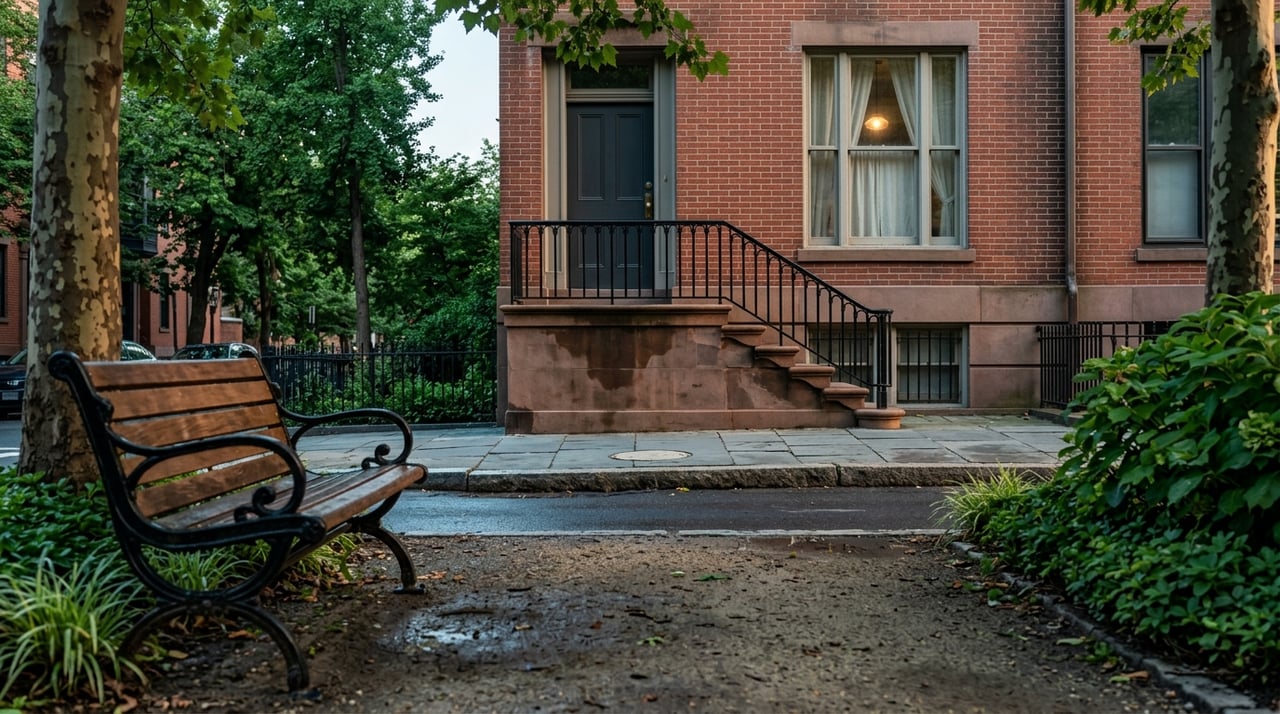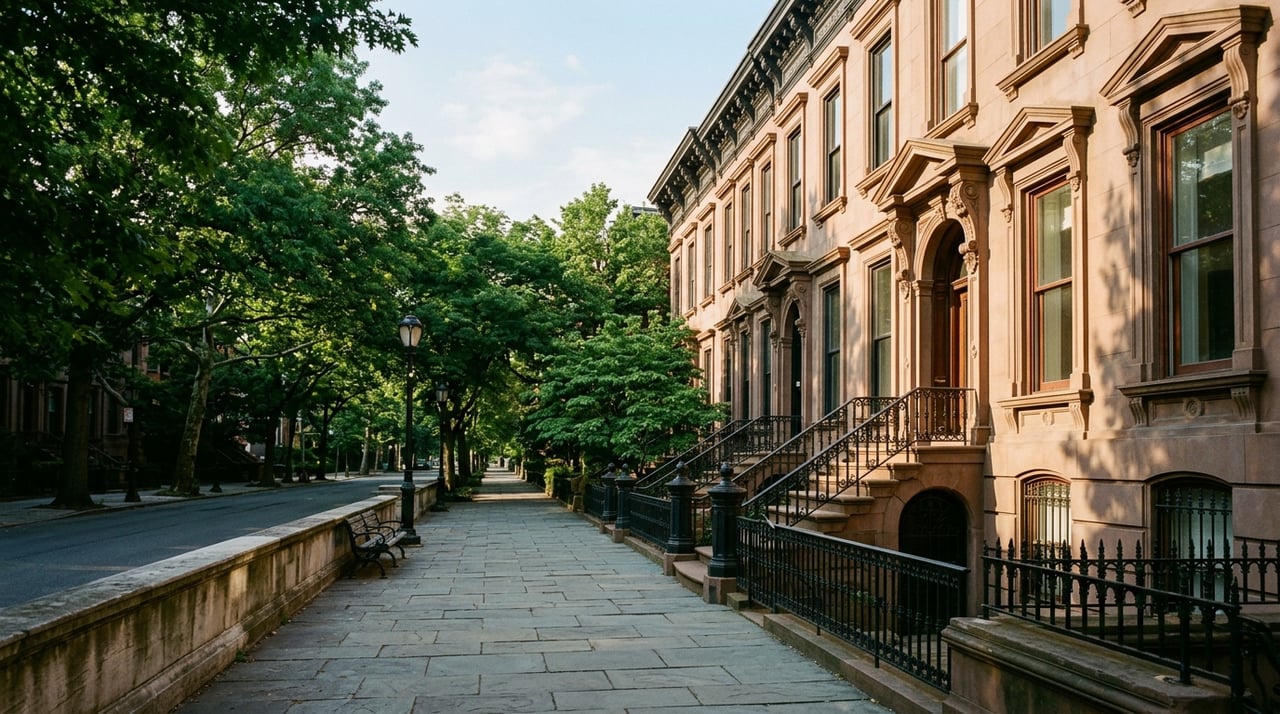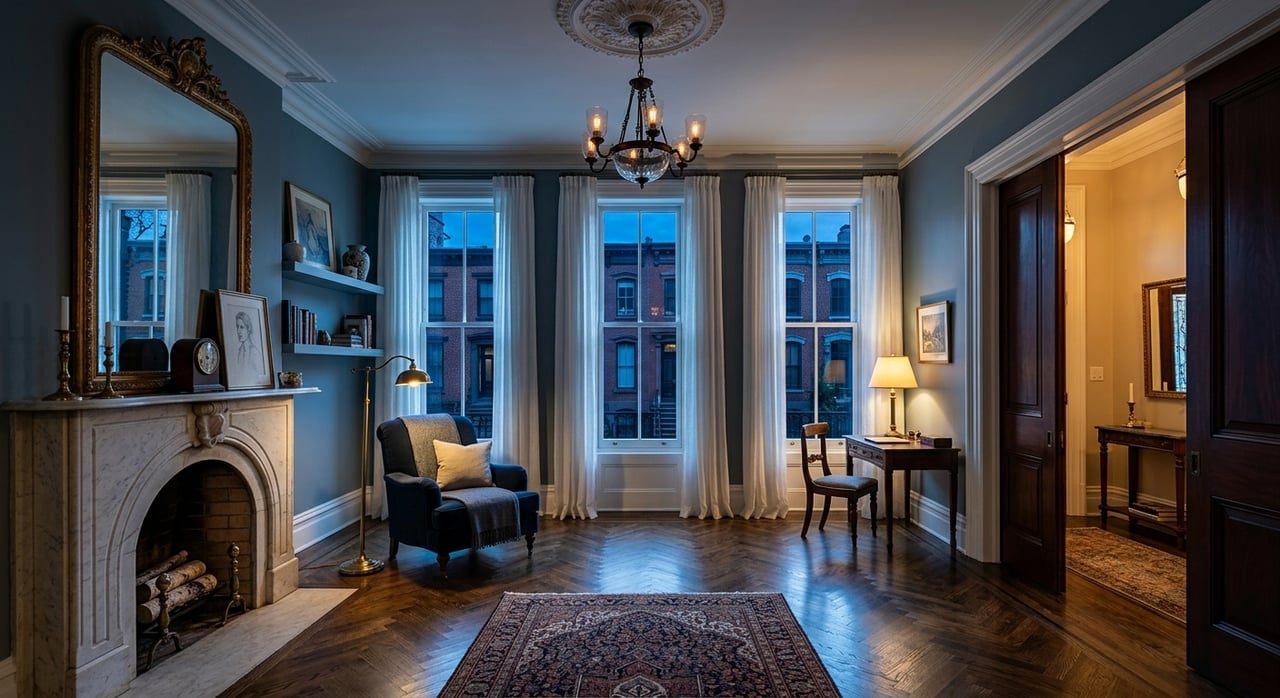
If you have your eye on a Boerum Hill brownstone, you already know this is not a casual purchase. These homes can attract serious interest because they offer scale, character, and a classic Brooklyn feel that is hard to duplicate. The good news is that a winning offer is not always just the highest number. It is often the offer that feels the most credible, best prepared, and easiest to bring to the closing table. Let’s dive in.
Why Boerum Hill Brownstones Are So Competitive
Boerum Hill remains a neighborhood known for brownstones, townhouses, prewar buildings, and newer development. StreetEasy reports a median sale price of about $1.9 million and median days on market of 54 days, though that mix includes condos and co-ops as well as townhouses.
For brownstones specifically, recent townhouse data points to strong demand. A 2025 Brooklyn townhouse report from Leslie Garfield showed Boerum Hill sales volume up 28% year over year in the third quarter, with average price per square foot up 17%.
That does not mean every townhouse sells the same way. Boerum Hill brownstones can trade across a wide price range depending on size, layout, condition, and whether the property is delivered vacant.
What Recent Boerum Hill Sales Show
Recent verified townhouse sales highlight how much details matter. A three-family at 205 Dean Street sold for $3.75 million and was delivered vacant, while 119 Wyckoff Street, a 22-foot-wide brownstone, sold for $3.9 million and was also delivered vacant.
At the higher end, 244 Bergen Street sold for $5.7 million as a single-family townhouse, and 229 Dean Street sold for $5.6 million as a 21-foot-wide two-family townhouse in the historic district. On the other hand, 538 Pacific Street, a six-unit building, sold for $3.399 million.
The lesson is simple: the best comparable sales are usually not just the closest homes on a map. In Boerum Hill, the strongest comps often match on width, lot depth, number of units, renovation level, and vacancy status.
Start With a Real Pricing Strategy
When you make an offer on a brownstone, you want your number to reflect the actual asset, not just the neighborhood name. A 20-foot-wide home may compete differently from a 22-foot-wide one. A delivered-vacant townhouse may also command a different reaction from buyers than one with occupancy or configuration issues.
That is why pricing strategy should begin with the right comp set. If you base your offer only on general neighborhood averages, you may either overpay or come in too low to be taken seriously.
We always recommend looking closely at the factors sellers care about most:
- Building width
- Square footage
- Lot depth and outdoor space
- Single-family versus multi-family setup
- Renovation condition
- Historic district location
- Whether the property will be delivered vacant
What Makes an Offer Competitive in New York
In New York, the accepted offer stage is important, but it is not yet binding. A real estate deal becomes binding only after the formal written contract is signed by both sides.
That makes the period right after acceptance especially important. Sellers often want confidence that you can move quickly from offer to contract without surprises.
A competitive Boerum Hill offer usually feels strong because it is well supported. In many cases, that means a fresh preapproval letter, proof of funds, and a buyer team that is ready to move fast once terms are agreed.
A Winning Offer Is About Certainty
Many buyers assume a winning offer means waiving every protection. For a brownstone, that is not always the smartest move.
Older homes are more complex than newer properties, and due diligence matters. In practice, sellers are often looking for the offer that appears most likely to close, not just the one with the most aggressive posture.
That means your offer should show that you are organized and serious. You want the seller to believe you understand the process, have the funds lined up, and can get to contract without avoidable delays.
Prepare Your Financing Early
If you are financing the purchase, do not wait until you find the perfect house to get ready. A preapproval letter is only tentative, and it typically expires after 30 to 60 days, so freshness matters.
You should also be ready to document your finances clearly. Common lender paperwork includes recent pay stubs, signed federal tax returns for the last two years, and bank or investment statements showing the source of your down payment funds.
If any part of your down payment is a gift, that may require a signed gift statement. The more complete your file is upfront, the easier it is to move once your offer is accepted.
Budget Beyond the Down Payment
Brownstone buyers often focus on the down payment and forget the rest of the cash needed to close. That can create stress at exactly the wrong moment.
Closing costs typically run about 2% to 5% of the purchase price, excluding your down payment. In Boerum Hill, where many brownstones trade well above $1 million, that can be a significant amount.
You should also plan for New York State mansion tax, which is 1% on residential purchases at $1 million and above. New York City real property transfer tax also applies, with the rate depending on the transaction type and price.
Understand the Contract Timeline
In New York, the offer itself does not lock up the deal. Once terms are agreed, the attorneys usually move into contract review and negotiation.
A buyer typically delivers a 10% down payment when the contract is signed, and that deposit is usually held in escrow by the seller’s attorney. If you back out for reasons not allowed by the contract, the seller may keep that deposit as liquidated damages.
New York also generally does not offer a cooling-off period for real estate contracts. That is one more reason to be prepared before you submit your offer, not after.
Keep the Protections You Actually Need
A clean offer does not have to mean a reckless one. Standard New York contracts often include cancellation rights tied to financing, title issues, engineering issues, and termites.
For a Boerum Hill brownstone, inspection and financing protections can be especially important. These homes often have age-related systems, prior alterations, and structural details that deserve careful review.
The goal is not to strip away every contingency. The goal is to make thoughtful decisions about which protections matter for your situation and which terms may be adjusted to strengthen your position.
Brownstone Due Diligence Matters
Boerum Hill’s townhouse charm comes with extra layers of review. Much of the area’s classic townhouse stock sits in the Boerum Hill Historic District and its 2018 extension.
According to the Landmarks Preservation Commission, most exterior changes in historic districts require review. Permits can also be required even for exterior work that is not visible from the street.
If you are buying with renovation plans in mind, this should be part of your offer strategy from the beginning. You want to understand what approvals may already exist and what future work could trigger review.
Check Landmark and Permit History
Some interior work may also require LPC review if it triggers Department of Buildings permits or affects the exterior. That can influence your renovation timeline and budget.
Before you get too far ahead emotionally, confirm the property’s status and the likely approval path for the work you hope to do. A beautiful brownstone can still come with real limits on how quickly you can make changes.
Review Boiler and Building Systems
For many older townhouses, mechanical systems deserve close attention. The New York City Department of Buildings requires annual boiler inspections by a qualified professional, with the inspection cycle running from January 1 through December 31.
If the home uses steam or hot-water heat, ask for the boiler’s inspection and maintenance history. This is a practical part of understanding the home, not just a technical box to check.
Confirm Survey and Title Details
Survey and title review are also important in older row houses. The buyer’s lawyer and title company typically review the survey to confirm that the home does not encroach on neighboring property and that neighbors do not encroach on it.
In a brownstone setting, lot-line conditions, rear-yard issues, and past alterations can affect both ownership clarity and future plans. That review can be especially important if you are thinking about additions or changes later.
How to Look Strong Without Overreaching
If you want to stand out in a multiple-offer situation, focus on the terms that create confidence. Sellers usually respond well to buyers who are financially organized, legally prepared, and realistic about timing.
A strong offer package often includes:
- A fresh preapproval letter
- Clear proof of funds
- An attorney ready to review the deal quickly
- A lender who can move efficiently
- Terms that are as clean as possible without dropping needed protections
This kind of preparation can matter as much as a price increase, especially in New York where the path from accepted offer to signed contract still requires coordination.
Plan for a Realistic Closing Process
Once your offer is accepted, the transaction usually moves into inspection, underwriting, title work, insurance, and final document collection. That stage can feel fast, but it still requires active management.
The Closing Disclosure must be delivered at least three business days before closing. You should also plan for a final walk-through before you sign.
Just as important, New York closing dates are usually flexible unless the contract makes time of the essence. That means you should prepare for some scheduling slippage instead of expecting one perfectly fixed day.
The Smartest Offer Is the One You Can Finish
A winning Boerum Hill brownstone offer is usually not built on emotion alone. It is built on smart pricing, real financial readiness, thoughtful due diligence, and a clear understanding of how New York contracts work.
When you approach the process this way, you give yourself a better chance not only to get chosen, but also to get to the closing table with fewer surprises. In a neighborhood where details shape value, that kind of preparation is a real advantage.
If you are thinking about buying a townhouse in Boerum Hill, the right guidance can help you move quickly without losing sight of the details that matter. The Martinez Irizarry Team can help you build a smart offer strategy and navigate the process with clear, proactive support.
FAQs
What makes a Boerum Hill brownstone offer competitive?
- A competitive offer usually combines a well-supported price, a fresh preapproval letter, proof of funds, and a buyer team that can move quickly from accepted offer to signed contract.
How much deposit do you usually need for a New York brownstone contract?
- In New York, buyers typically deliver a 10% down payment when the contract is signed, and it is usually held in escrow by the seller’s attorney.
Why do comparable sales matter for Boerum Hill townhouses?
- Comparable sales matter because Boerum Hill brownstones can vary widely by width, condition, unit count, lot depth, and vacancy status, all of which can affect value.
Do Boerum Hill historic district rules affect brownstone buyers?
- Yes. Many Boerum Hill townhouses are in the historic district, and exterior changes often require Landmarks Preservation Commission review, with some interior work also triggering review.
What extra costs should you budget for when buying a Boerum Hill brownstone?
- In addition to your down payment, you should plan for closing costs that typically run about 2% to 5% of the purchase price, plus New York State mansion tax on purchases of $1 million and above and applicable New York City transfer tax.
How long does it take to close on a Boerum Hill brownstone after an offer is accepted?
- The timeline can vary because closing dates in New York are usually flexible unless the contract makes time of the essence, so it is smart to expect some scheduling movement during underwriting, title, insurance, and final document review.