Imagine stepping out your door to river breezes, skyline views, and a front yard that spans 85 acres of lawns, courts, and waterfront paths. If you are considering a move to Brooklyn Heights near Brooklyn Bridge Park, you likely want the perks of park living without surprises. In this guide, you will learn what daily life looks like, the housing options and approval processes, commute choices, flood and renovation rules, and how to weigh the trade-offs. Let’s dive in.
Brooklyn Heights at a glance
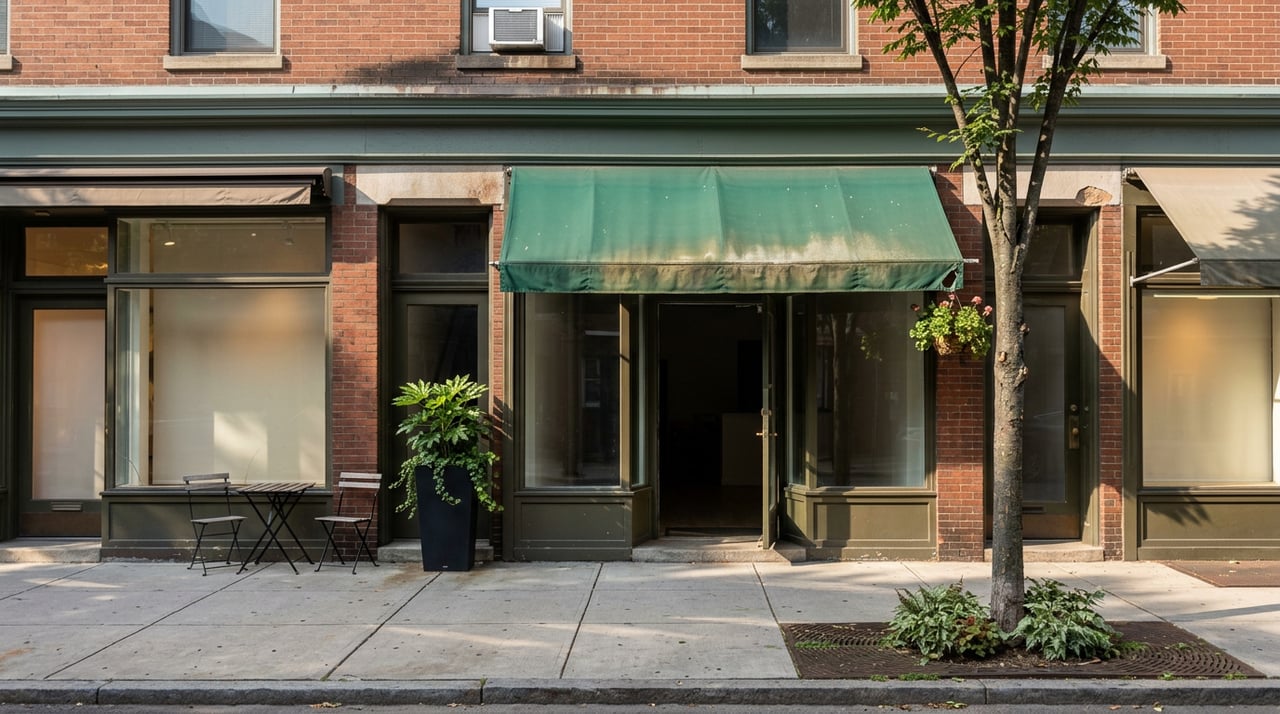
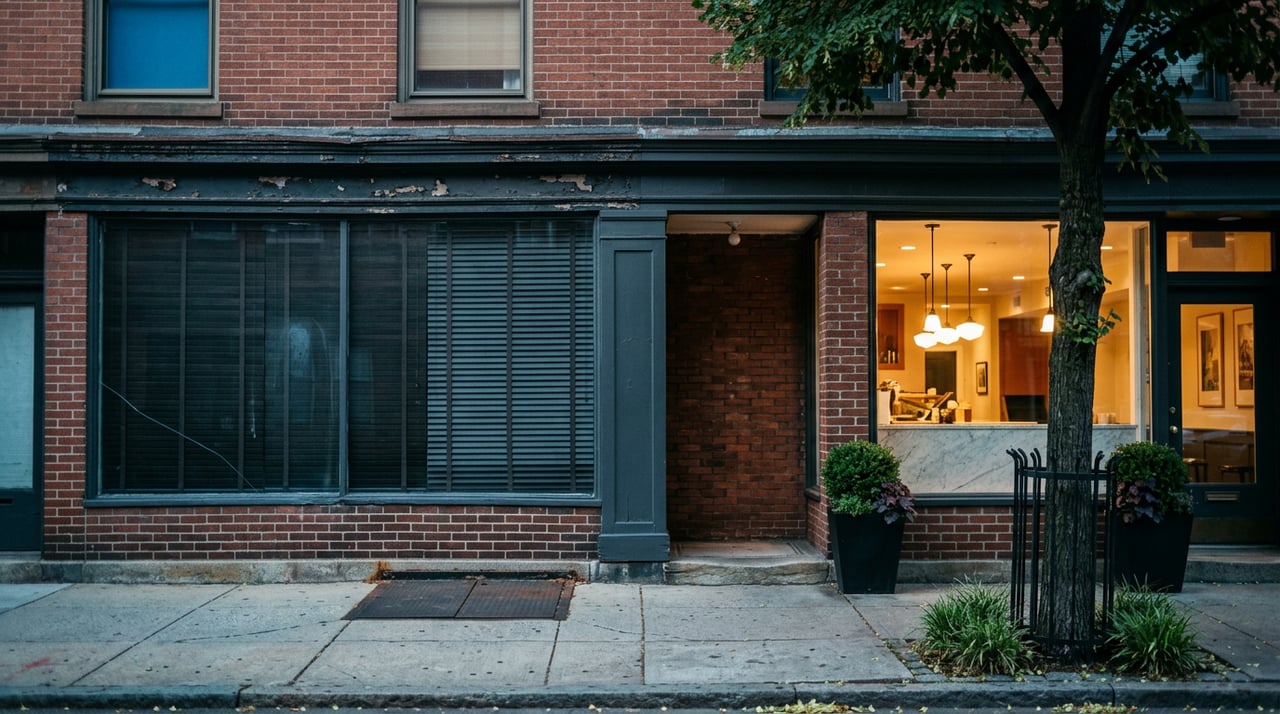
Brooklyn Heights is a historic residential neighborhood set just east of the East River and directly above Brooklyn Bridge Park. The tree-lined blocks feature 19th-century brownstones, prewar co-ops, and a handful of newer condos along the waterfront edge.
The Brooklyn Heights Promenade delivers sweeping views of Lower Manhattan and the harbor. Shopping and dining cluster along Montague Street and nearby DUMBO and Fulton Ferry, with cafés, restaurants, and boutique services. You also have cultural access to the Center for Brooklyn History and community programming year-round.
Lifestyle by the park: daily perks
Living by Brooklyn Bridge Park means you can treat the waterfront like an extension of your home. The park offers lawns, playgrounds, courts and fields, picnic spaces, and miles of paths, plus seasonal events. Check the official Brooklyn Bridge Park map and events to get a feel for the layout and programming.
Expect an active atmosphere, especially on weekends and during seasonal festivals. Sunrise runs, sunset strolls, and quick playtime at the piers become natural parts of your routine.
Housing near the park: types and trade-offs
Brownstones and co-ops
Many brownstones have been converted into multi-family buildings and co-ops. These homes deliver classic architecture and quiet, residential blocks. Co-ops are common, and board approvals, sublet policies, and renovation rules are a core part of the purchase process.
Waterfront condos and newer buildings
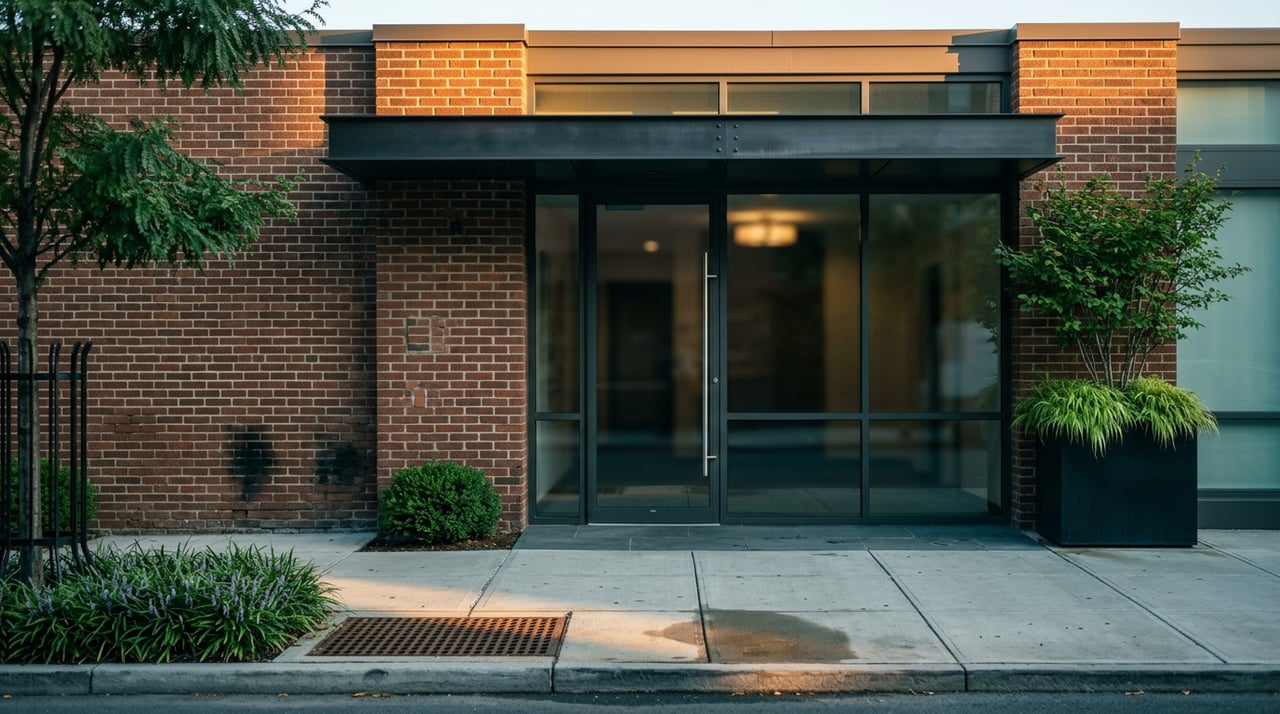
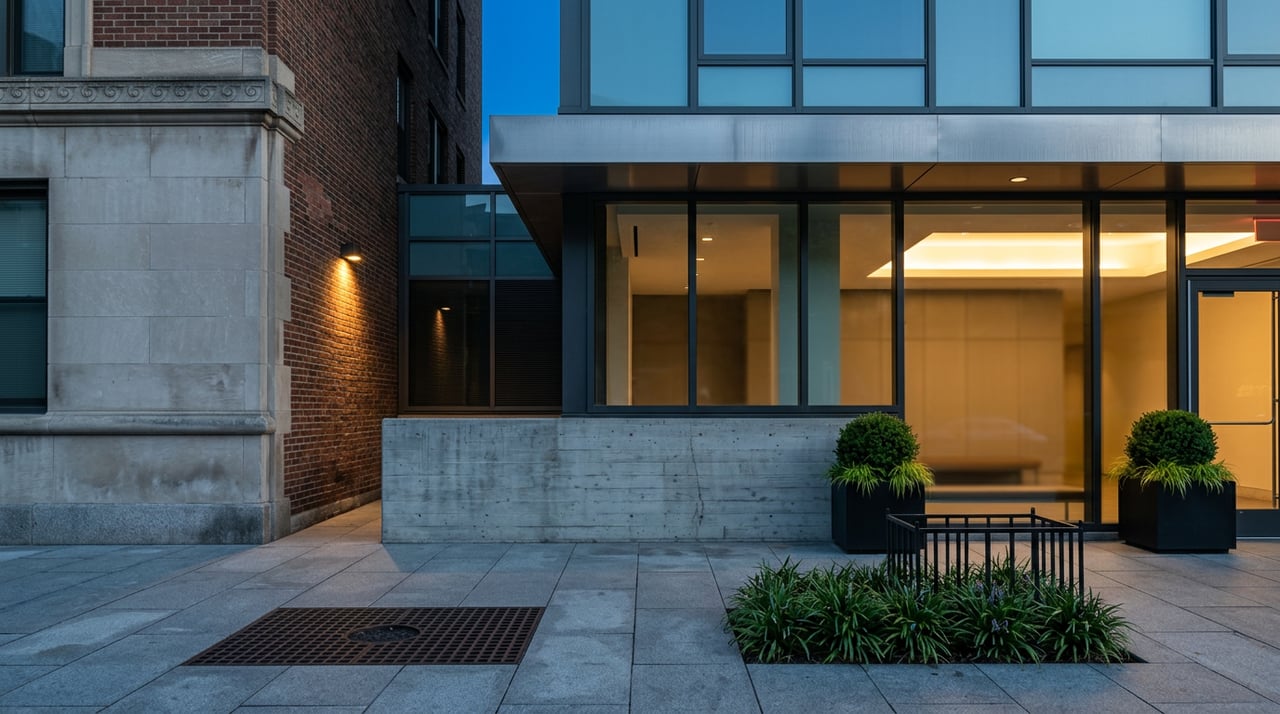
Newer condos and luxury conversions near the park edge and DUMBO interface tend to command higher prices, especially with river or skyline views. They usually allow more flexible financing and subletting than co-ops. Expect common charges that reflect amenities, building staff, and services.
Mixed-use corridors
Along Montague Street and nearby commercial corridors, you will find mixed-use buildings with ground-floor retail. These locations offer convenience and activity, which some buyers love and others may find busier.
Co-op vs condo: what changes for you
Buying in Brooklyn Heights often means choosing between a co-op or a condo. Here is what to expect:
- Approvals: Co-ops require board approval and a detailed application; condos have a simpler purchase process.
- Financing and sublets: Co-ops typically set stricter financing ratios and sublet policies; condos usually offer more flexible terms.
- Renovations: Co-ops and condos both have house rules; co-ops often have more oversight on timelines and scope. Exterior work in the historic district can trigger separate approvals.
- Carrying costs: Co-op maintenance may include building mortgage and utilities; condo common charges cover operations and reserves. Costs vary widely by building.
Commute and getting around
Transit access is a top advantage here. Multiple subway lines and stations are within walking distance; use the MTA maps and trip planner to see your best routes. The NYC Ferry routes provide a scenic alternative, especially to Lower Manhattan and other Brooklyn and Queens landings.
The neighborhood is highly walkable and bike-friendly, with paths connecting into the park and across the river. Street parking is limited and alternate-side rules apply. Some buildings offer garage options, often at a premium.
Flood risk and insurance
Parts of Brooklyn Heights adjacent to the waterfront are within or near FEMA flood zones. Ground and basement levels are more vulnerable. Before you buy, review the FEMA Flood Map Service Center for your specific address and compare it to the NYC Flood Hazard Mapper for local projections.
If a property sits in a mapped flood zone and you finance with a lender, flood insurance may be required. Request any available elevation certificates, ask about past flood history, and price out policies with your insurer.
Historic district rules and renovations
Much of Brooklyn Heights falls within the Brooklyn Heights Historic District. Exterior changes like window replacements, façade work, or stoop alterations typically require approval from the NYC Landmarks Preservation Commission. Start with the LPC guidance and permit information and plan extra time for approvals.
Interior renovations often do not require LPC sign-off, but co-op or condo rules still apply. Contractors experienced with LPC and building management procedures can save you time and stress.
Families, schools, and services
The NYC Department of Education manages public school assignments by zone. Always verify your zoned elementary, middle, or high school using the NYC Department of Education. Several private and independent schools operate in or near Brooklyn Heights. Daycare and preschool options exist but can be competitive.
Family amenities are strong. The park’s playgrounds, open lawns, and community programs make outdoor time easy and routine.
Safety and park activity
Brooklyn Heights is known as a residential neighborhood with steady foot traffic and park visitors. For up-to-date, precinct-level crime statistics and trends, review NYPD CompStat. Expect seasonal variations in park use, and consider visiting at different times of day to understand the vibe on weekends and during events.
Costs and carrying considerations
Monthly maintenance or common charges can vary widely by building. Co-op fees may bundle utilities or an underlying mortgage, while condo charges reflect staffing and reserves. For tax and assessment history on a specific property, use the NYC Department of Finance property resources. Sellers should be ready to share building financials, house rules, and any assessments.
Smart buyer checklist near Brooklyn Bridge Park
- Map the lifestyle: Walk the piers and Promenade, and scan the park events calendar to gauge weekend and evening activity.
- Compare building types: Weigh co-op approval timelines and rules against condo flexibility and higher upfront costs.
- Confirm commute: Time your route using the MTA trip planner and consider the NYC Ferry for backup options.
- Verify flood risk: Check the FEMA maps and NYC Flood Hazard Mapper; ask for elevation certificates and insurance quotes.
- Review building documents: Read house rules, alteration agreements, sublet policy, financial statements, and board minutes.
- Plan renovations: If exterior work is likely, consult the LPC guidelines and hire LPC-savvy contractors.
- Test parking and drop-offs: Visit during peak hours to understand loading zones, garage availability, and alternate-side rules.
Tips for sellers near the park
- Lead with the park: Highlight views, proximity to lawns and courts, and access to programming in your marketing.
- Show strategically: Avoid major event times when crowds or traffic can distract buyers.
- Prepare documents: Gather building financials, recent assessments, alteration agreements, and sublet policies early.
- Address flood topics: Share known history and any mitigation measures; buyers will ask about insurance requirements.
- Stage for light and views: Professional photos and video help capture skyline outlooks and waterfront ambiance.
Is life by the park right for you?
If you want instant access to green space, an easy commute, and historic charm, living near Brooklyn Bridge Park can be a standout choice. You will balance higher demand and event-driven foot traffic against a truly unique waterfront lifestyle. With the right due diligence and a clear plan for approvals, insurance, and carrying costs, you can settle into a neighborhood that feels both established and energizing.
Have questions about a specific building, co-op board, or upcoming listing near the piers? Request a Consultation with Justin Martinez for tailored guidance on Brooklyn Heights and park-adjacent properties.
FAQs
Parking near Brooklyn Bridge Park in Brooklyn Heights
- Street parking is limited and alternate-side rules apply; some buildings offer garage options at a premium, so test parking conditions at peak times.
Flood insurance for Brooklyn Heights waterfront homes
- Parts of the waterfront sit in FEMA flood zones; verify your address on FEMA maps and budget for insurance if required by your lender.
Co-op vs condo rules in Brooklyn Heights
- Co-ops require board approval and often stricter financing and sublet policies; condos typically allow more flexibility but may carry higher purchase prices.
Commute from Brooklyn Heights to Manhattan
- Many trips take roughly 10 to 30 minutes by subway depending on line and destination; confirm your route with the MTA planner and consider the NYC Ferry.
Renovations in the Brooklyn Heights Historic District
- Exterior work usually needs Landmarks approval; review LPC guidance and plan extra time before scheduling contractors.
Crime and safety around Brooklyn Bridge Park
- For current precinct-level data and trends, consult NYPD CompStat and visit the area at different times to assess foot traffic.