Two homes on the same Cobble Hill block can ask the same square footage price yet feel like entirely different worlds. Maybe you love original moldings and a stoop, or maybe you want an elevator, central air, and a roof deck. You do not have to choose blindly. In this guide, you will learn what buyers in Cobble Hill actually pay for in pre‑war homes versus new construction, how to compare total costs, and what to watch during due diligence. Let’s dive in.
Cobble Hill at a glance
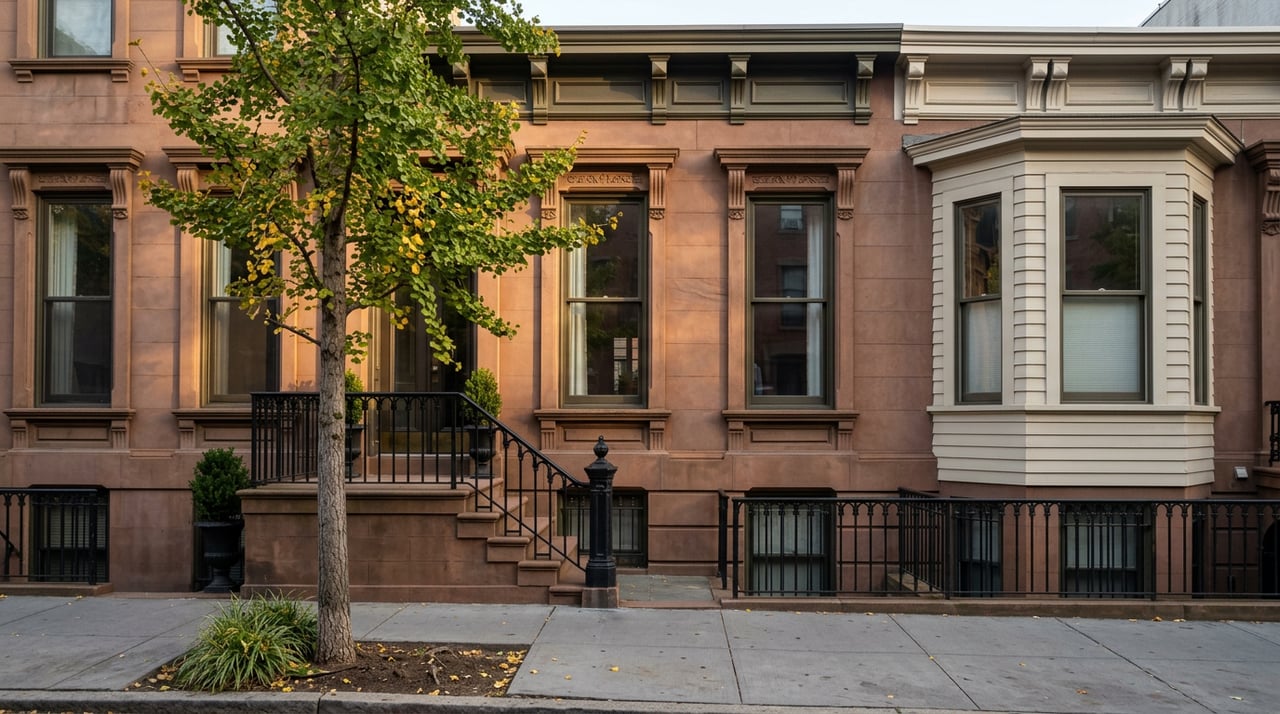
Cobble Hill is known for low‑rise streets, 19th‑century brownstones, and a laid‑back, small‑neighborhood feel. A large portion of the area sits inside the Cobble Hill Historic District, which shapes what you can change on many façades and stoops. You will also find boutique new condos and gut‑rehabbed townhouses sprinkled among historic rows.
If you are comparing pre‑war and new, the key theme is scarcity. Iconic brownstone blocks are limited, and new inventory is selective. Where a home sits, how it looks from the street, and how move‑in ready it feels all influence price.
For context on historic rules, review the Cobble Hill Historic District details from the New York City Landmarks Preservation Commission in the official designation materials and guidance. You can explore the district and permitting framework on the LPC website via the Cobble Hill Historic District page.
- See the district overview and history on the Cobble Hill Historic District page: LPC Cobble Hill Historic District
What counts as pre‑war vs new
Pre‑war, defined
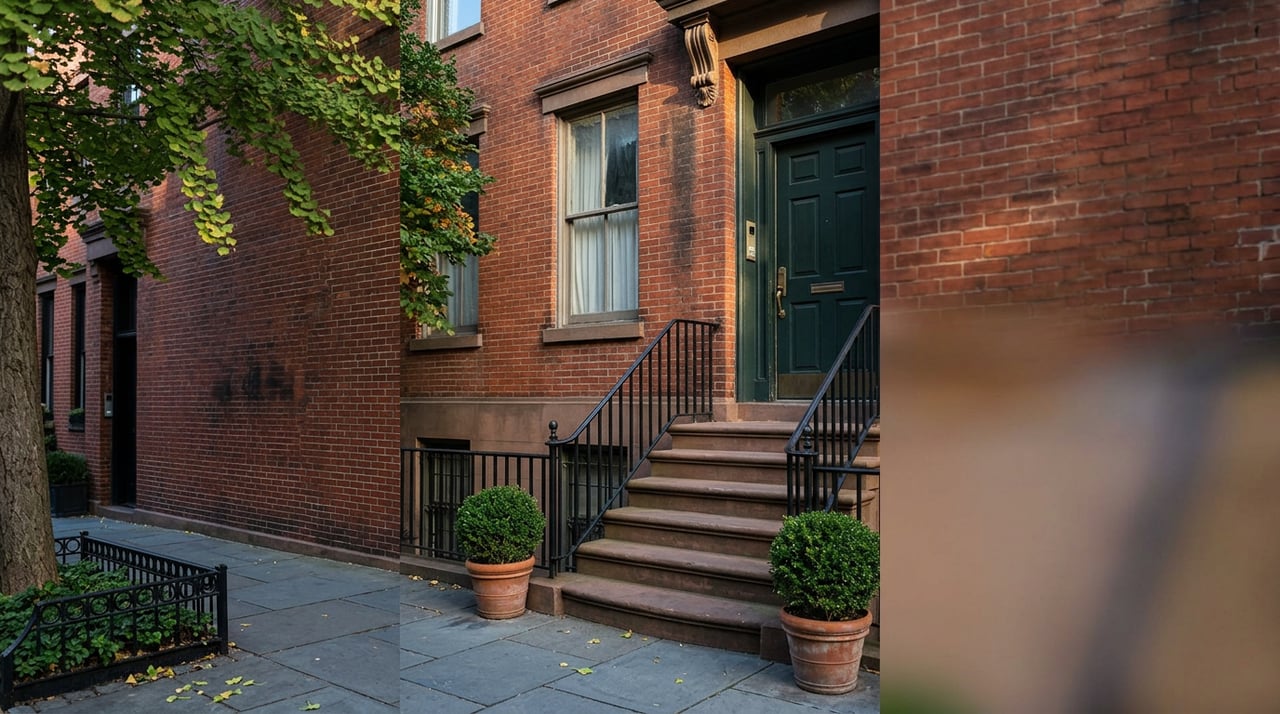
Pre‑war in Cobble Hill most often means brownstones and rowhouses with masonry façades, parlor‑floor ceiling heights, and original details like plasterwork, mantels, and woodwork. Some buildings are walk‑up co‑ops or multi‑family walk‑ups with smaller units. Systems can be older, with electrical, plumbing, or heating approaching replacement cycles unless a recent renovation upgraded them.
These homes trade on authenticity and curb appeal. Buyers pay for volume, character, and the feeling of stepping into history. You may discount for segmented layouts, narrower floor plates, or deferred maintenance if upgrades are needed.
New construction and gut‑rehab
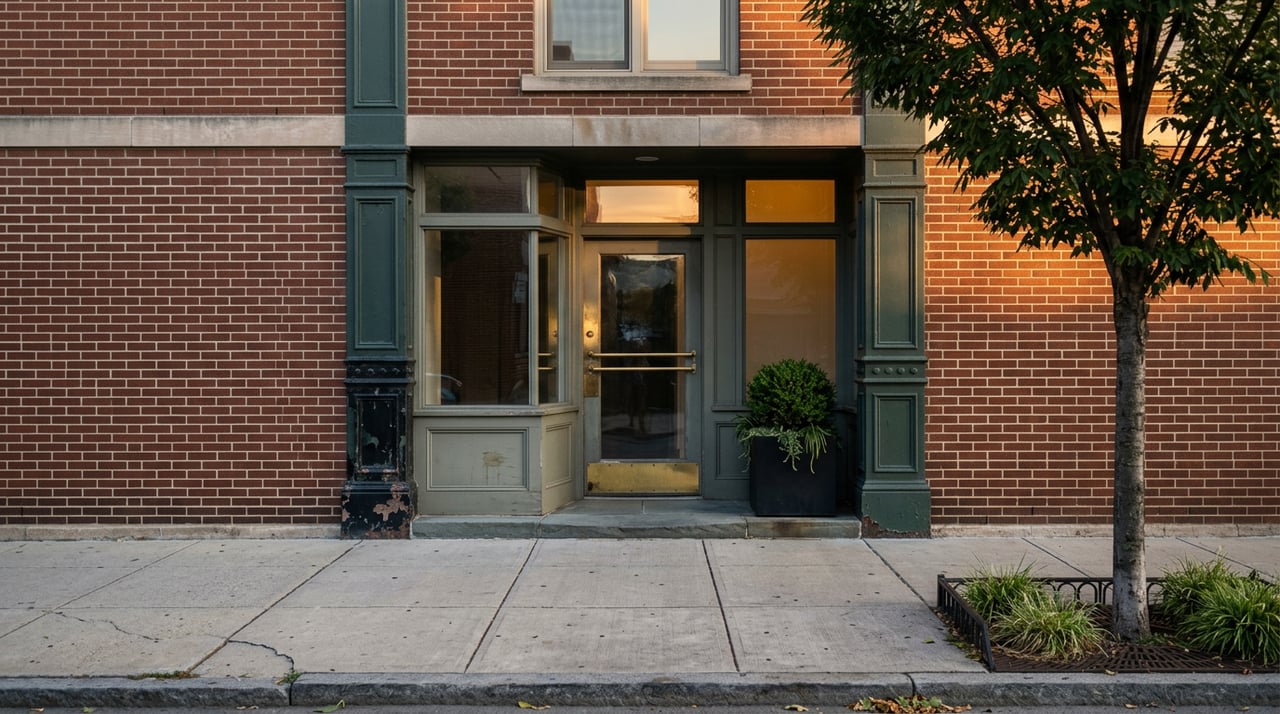
New or recently rebuilt condos and townhouses lean into open plans, engineered systems, and modern kitchens and baths. You will see central HVAC, energy‑efficient windows, and integrated tech. In larger boutique buildings, expect elevators and a small slate of amenities like roof decks, package rooms, or storage.
Buyers pay for convenience and predictability. Tradeoffs can include less original character and, in some cases, smaller private outdoor areas compared to a townhouse garden.
What buyers pay for: key drivers
Location and block appeal
Prime brownstone blocks with a full tree canopy and consistent façades command a premium because there are so few of them. Proximity to neighborhood anchors and transit helps both product types. A standout block can nudge prices higher regardless of interior age.
Original details and patina
In pre‑war homes, original moldings, mantels, staircase newels, and parlor‑floor heights add tangible value. Buyers who want authenticity will pay for it. Sensitive restorations or high‑quality reproductions also see strong demand.
Layout and usable space
Pre‑war layouts often have segmented rooms and narrow halls, which can reduce usable open living space unless reconfigured. New homes maximize usable area with open kitchens, larger living rooms, and smart storage. If you entertain or prefer a modern flow, you may pay more per square foot for efficient planning.
Systems and energy efficiency
Older mechanicals can increase near‑term capital needs in pre‑war properties. Buyers factor in potential upgrades to electrical service, plumbing stacks, and heating. Newer builds offer modern HVAC, insulated envelopes, and warranties that lower short‑term maintenance risk. When you compare options, look at total cost of ownership, not just the asking price.
Outdoor space
Private outdoor space is a universal premium. A townhouse garden or a condo terrace can lift price meaningfully. Semi‑private stoops and a street presence also shape how you feel about a home and often influence perceived value.
Elevators and access
Walk‑up floors in older buildings can trade at a discount compared to elevator access in new buildings. If accessibility and convenience matter, you may pay up for an elevator and an accessible plan.
Amenities and services
New condos sometimes include roof decks, gyms, package rooms, and storage. You pay for convenience through higher prices or monthly common charges. Pre‑war co‑ops and condos without amenities usually have lower monthlies, and townhouses remove building fees altogether while shifting maintenance to you.
Parking
On‑site parking is rare in Cobble Hill, so it is valuable in any form. New buildings with garages or rebuilt townhouses with private parking can command notable premiums.
Light, noise, and privacy
New buildings may offer better light and views from larger windows and higher floors. Pre‑war homes can deliver excellent privacy and volume, especially on parlor levels. Your tradeoff often comes down to how you live day to day.
Resale and buyer pool
Well‑located character homes are scarce and can hold value with the right stewardship. New condos appeal to a wider buyer pool, including first‑time buyers, downsizers, and investors, which can help liquidity for smaller units. Your exit strategy matters, so consider who your future buyer is likely to be.
Beyond price: financing and carrying costs
Ownership type often shapes both your offer and your monthlies. Many older conversions are co‑ops, which can have stricter board approvals and down payment rules. Most new builds are condos, which are more flexible for investors and out‑of‑area buyers.
Taxes and insurance also differ. Historic materials and townhouse ownership can increase insurance costs. New condos may occasionally have temporary tax abatements, although these are uncommon in Cobble Hill. To review assessment basics or confirm current tax details, use the NYC Department of Finance resources.
- Check closed sales by neighborhood and property type using the city’s data: NYC Department of Finance rolling sales
- Review assessment and property tax information: NYC Department of Finance property assessments
Warranties are another split. New construction typically includes limited warranties that reduce near‑term risk. Pre‑war purchases rely on inspections and seller disclosures.
Landmark rules and renovation timing
If your target sits inside the Cobble Hill Historic District, exterior changes visible from the street usually require review and permits from the Landmarks Preservation Commission. Interior work is generally outside LPC review unless it affects the exterior or designated interior features. This affects timelines, budgets, and scope for stoops, windows, cornices, and façades.
- Learn how permits work for designated properties: LPC applications and permits
- Confirm past or ongoing work by checking city permits: NYC Department of Buildings information search
How to compare two listings side by side
Use this quick checklist to evaluate a pre‑war listing versus a new unit:
- Ownership type and rules: condo, co‑op, or townhouse
- Recent comparable sales from the last 6 to 12 months
- Landmark status and any LPC constraints for exterior changes
- Ages and capacity of major systems: HVAC, electrical service, main plumbing
- Roof and foundation condition for townhouses
- Proof of permits for past renovations via DOB records
- Monthly carrying costs: common charges or maintenance, taxes, and utilities
- Warranties or developer promises, plus completion timelines for amenities
- Outdoor space and any deeded parking details
- Light, privacy, and noise considerations at different times of day
Questions to ask sellers and developers
For pre‑war homes:
- History of water intrusion or foundation work
- Copies of permits and sign‑offs for any renovations
- Lead, asbestos, or other hazardous materials reports
- Recent utility bills and typical annual maintenance costs
For new construction:
- Warranty scope and how it transfers to you
- Certificate of occupancy status and any punch‑list process
- Condo or HOA financials and projected common charges
- Amenity delivery timeline and any developer incentives
For both:
- Recent relevant closed sales and the reason for the sale
- Any planned street, transit, or neighborhood changes that could affect value
Inspection priorities and red flags
In pre‑war properties, focus on structure, roof, and water management. Look for foundation cracks, party wall movement, and signs of chronic moisture or mold. Electrical panels that are undersized, old plumbing stacks, or a failing sewer lateral are common upgrade points. Verify that major past work shows proper DOB permits.
In new properties, prioritize mechanical commissioning and quality control. Work through a detailed punch list, test HVAC performance, and confirm all promised amenities are built to spec. Review warranty documents and the timeline for any items that are still in progress.
Which one is right for you
- Choose pre‑war if you value original character, a stoop culture lifestyle, and the long‑term upside of a rare block, and you are comfortable planning upgrades over time.
- Choose new if you want predictable systems, an elevator, and amenities, and you are willing to trade some historic texture for convenience and lower near‑term maintenance.
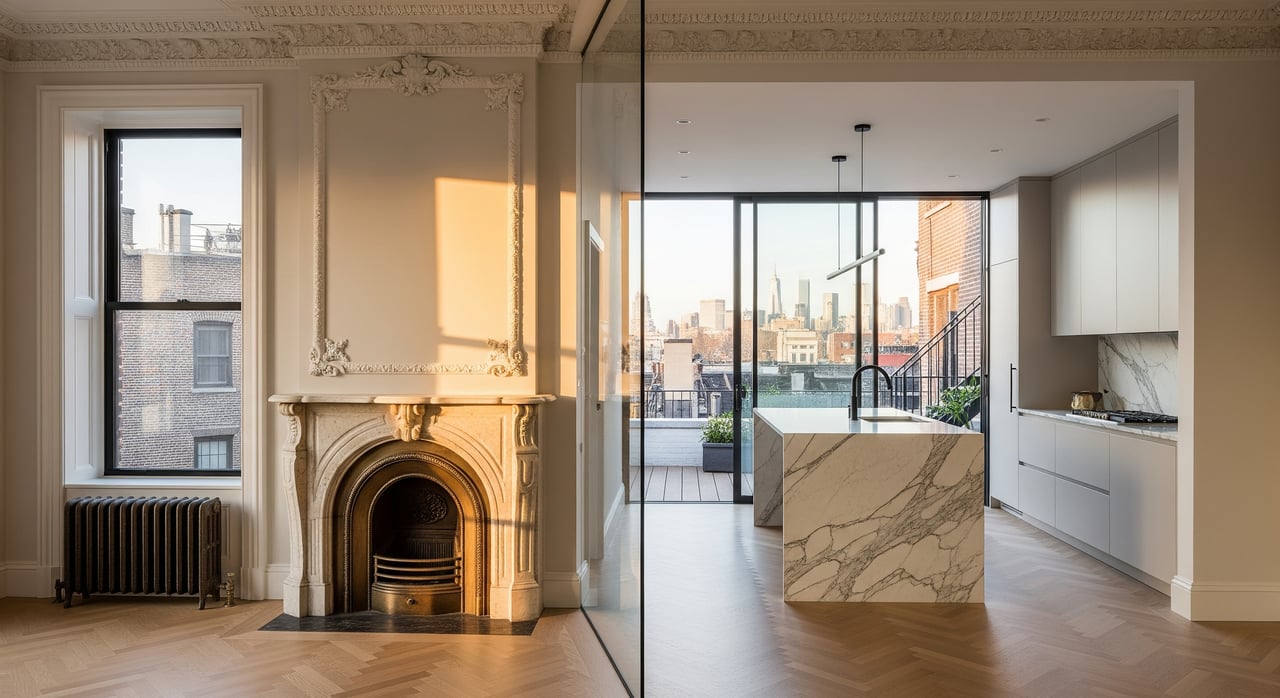
- Consider a hybrid gut‑rehab that blends historic exteriors with new interiors if you want both character and modern systems.
Your next step
You do not have to solve this alone. We help you run the numbers on total cost of ownership, pull the right comps, and navigate LPC and DOB questions so you can buy with confidence in Cobble Hill. When you are ready, connect with Justin Martinez for a focused plan and on‑the‑ground guidance.
FAQs
How do prices compare between pre‑war and new in Cobble Hill?
- Prices vary by block, condition, outdoor space, and ownership type; review closed sales from the last 6 to 12 months using city data like the NYC Department of Finance rolling sales to ground your comparison.
Will new construction save me money long term in Cobble Hill?
- New homes often reduce near‑term maintenance and include warranties, though higher common charges can offset savings; compare total monthly costs and likely capital expenses over a 5 to 10 year horizon.
Can I change the exterior of a landmarked brownstone in Cobble Hill?
- Exterior changes typically require Landmarks Preservation Commission review and permits, while most interior work is not regulated; see LPC applications and permits for process details.
Which ownership type is more flexible for investors in Cobble Hill?
- Condos are usually more flexible than co‑ops for renting and for out‑of‑area buyers, though you should always confirm building rules and financials before you commit.
What inspections are most important for pre‑war homes in Cobble Hill?
- Prioritize structure, roof, moisture, electrical capacity, plumbing stacks, and sewer; verify that any past work has proper NYC Department of Buildings permits and sign‑offs.
Are tax abatements common for new condos in Cobble Hill?
- Major tax abatements are uncommon in this area; review the offering plan and confirm current taxes and assessments through the NYC Department of Finance property assessments portal.